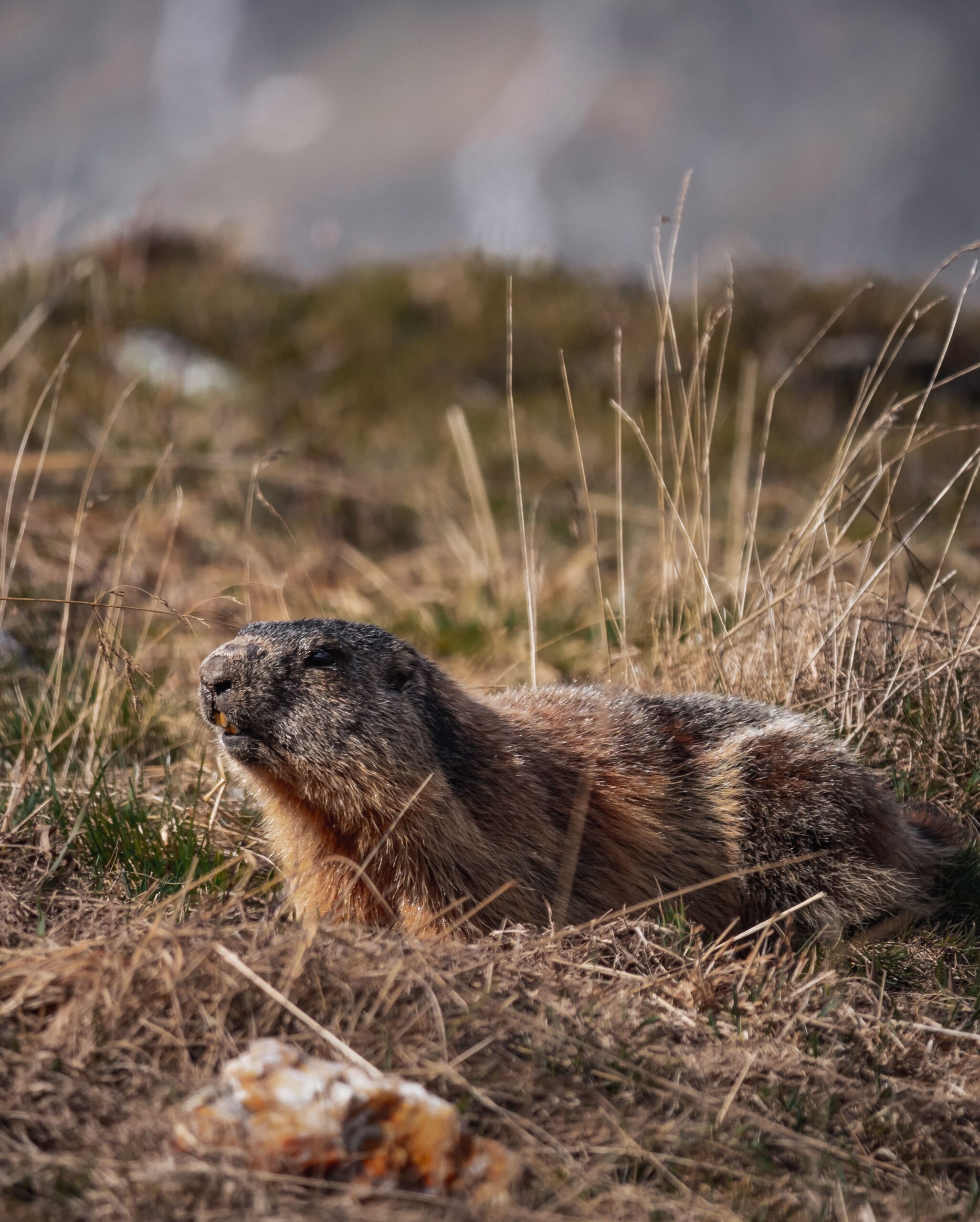
What kind of animal is a marmot? We will explain its characteristics, ecology, habitat, lifespan, and breeding. Marmots are very cute animals that are in demand as pets. There are many subspecies of marmots. We will introduce them all, so please use them as a reference.








- What is a marmot? About basic status
- What are the roots and origins of marmots?
- About marmot habitat
- feature is? What kind of creature is it?
- What will your personality look like?
- What is the ecology of marmots?
- Marmot Vocalizations
- Seasonal Activities
- Walking Speed
- About Baby Marmots
- There are many subspecies of marmots.Are there any endangered species?
- What is a gray marmot?
- What is a steppe marmot?
- What is an Alaskan marmot?
- What is a black marmot?
- What is a long-tailed marmot?
- What is a forest steppe marmot?
- What is a Himalayan marmot?
- What is an Alpine marmot?
- What is Tian Xiang Marmot?
- What is a woodchuck?
- What is a Siberian marmot?
- What is Shiraga Marmot?
- What is Kibara Marmot?
- What is an Olympic marmot?
- What is a Vancouver marmot?
- Can marmots be kept?
- Zoos Housing Marmots (Japan & Worldwide)
- Introducing other animals
What is a marmot? About basic status
Marmots are animals classified in the rodent family Squirrel family, genus Marmota. It is a medium-sized animal with a body length of 30 to 75 cm and a weight of 2 to 7.5 kg. As I will introduce below, there are many subspecies, and they are divided into many classifications.
| Japanese(和名) | マーモット |
| English(英名) | marmota |
| scientific name(学名) | Marmota Blumenbach |
| classification(分類) | Mammalia、Rodentia、Sciuridae、Marmotini 哺乳綱、齧歯目、リス科、マーモット属 |
| IUCN Status(保全状況) | LEAST CONCERN |
| Height(身長) | 30~75cm |
| Weight(体重) | 2~7.5㎏ |
What are the roots and origins of marmots?
The roots of the marmot (genus Marmota) are believed to lie in North America, where they first appeared approximately 16 million years ago (during the Miocene epoch). While they currently inhabit mountainous regions and grasslands across Europe, Asia, and North America, their ancestors evolved in North America before spreading to Eurasia.
The evolutionary history of marmots
Approximately 16 million years ago (Miocene epoch)
The genus Marmota emerged in North America from within the squirrel family (Sciuridae).
Early marmots are believed to have lived on plains and grasslands rather than in the high-altitude alpine environments they inhabit today.
Approximately 5 to 3 million years ago
As the climate cooled, marmots crossed the Bering Land Bridge and expanded into Asia.
Subsequently, they spread as far as Europe and diversified into numerous species.
Approximately 2.6 million to 10,000 years ago (Pleistocene epoch / Ice Age)
With the onset of the Ice Age, they adapted to cold, open grassland environments and underwent rapid diversification.
Most of the 15 species seen today are believed to have originated during this period.
End of the Ice Age (approximately 12,000 years ago)
As the climate warmed and forests expanded, many marmots moved to high-altitude ranges—such as the Alps, Himalayas, and Rockies—or to cold grasslands to avoid the heat.
An exception is the North American woodchuck (groundhog), which adapted to lowlands and continues to inhabit plains regions today.
Major marmot species today
Alpine marmot: Alps and Carpathian Mountains
Himalayan marmot: Himalayas and Tibetan Plateau
Tarbagan (Mongolian marmot): Mongolia and Siberia
Yellow-bellied marmot: Western North America
Woodchuck (groundhog): Eastern North America
There are currently 15 recognized species within the genus Marmota.
分類学(Taxonomy)
| ランク | 分類 |
|---|---|
| 界 (Kingdom) | 動物界 (Animalia) |
| 門 (Phylum) | 脊索動物門 (Chordata) |
| 綱 (Class) | 哺乳綱 (Mammalia) |
| 目 (Order) | 齧歯目 (Rodentia) |
| 科 (Family) | リス科 (Sciuridae) |
| 属 (Genus) | マーモット属 (Marmota) |
| 種 (Species) | 約15種が知られる(例:ヨーロッパマーモット、ホルスタインマーモット、アメリカマーモットなど) |
Have marmots been known since ancient times?
Marmots have been known since ancient times. The work of French ethnologist Michel Peisel was already mentioned in the story of the “gold-digging ant” reported by Herodotus, an ancient Greek historian who lived in the 5th century BC. The origin of the term “marmot” is unknown. Since 2010, February 2nd has been celebrated as Marmot Day in Alaska.
About marmot habitat
There are many subspecies of marmots, and if you count them all, you will find that they live in a fairly wide range of areas, including Europe, Canada, America, Russia, and China. Marmots mainly live in mountainous regions such as the Alps, Carpathians, Tatras, Pyrenees, and Rocky Mountains.
- Geographic Distribution
Marmots are found in mountainous and highland areas throughout the Northern Hemisphere.
They live in North America, Europe, and Asia.
Typical habitats:
European marmots: Alps and Pyrenees.
American marmots (ground marmots): Rocky Mountains and the Canadian Rockies.
Siberian marmots: Siberia and northern Mongolia.
Himalayan marmots: Tibet and the Himalayan foothills.
- Habitat
Prefers alpine grasslands and open mountainous areas.
Also found in dry grasslands and shrublands.
Burrowing: They dig deep burrows in the ground, which they use for hibernation and protection from predators.
- Environmental Characteristics
Altitude: Most species live at altitudes between 1,000 and 4,000 meters.
Climate: They are adapted to cold climates and areas with large seasonal variations.
Food Sources:
Plants such as grass, leaves, seeds, and fruit.
Some also eat insects.
- Behavior and Adaptations
Hibernation: Many marmots hibernate in cold regions, inactive for several months.
Sociality:
Ground marmots live in groups.
They have sentinels to protect them from predators.
Burrow Use:
Their burrows, which can be several meters long, are used for raising young and hibernation.
feature is? What kind of creature is it?
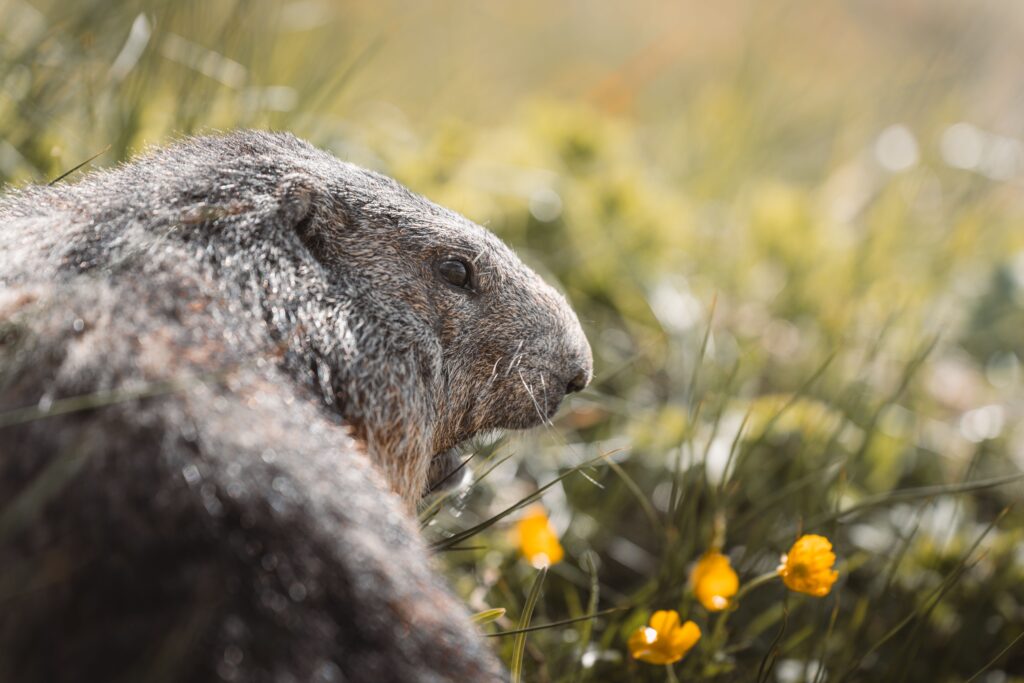
Marmots have short but strong legs and large claws that are suitable for digging. It has a large head and incisors to quickly process grass, making it very quick. The color of a marmot’s fur is very similar to the color of its surroundings for camouflage. Marmots generally live in burrows and hibernate during the winter.
- Physical Characteristics
Body Type: Stocky, round body with a short tail. Body length is approximately 40-70 cm, and even longer including the tail.
Weight: Approximately 2-8 kg (varies by species).
Fur Color: Brown, gray, reddish, etc., depending on the species and region.
Ears and Feet: Ears are small and round, and the hands and feet have well-developed claws suitable for digging burrows.
- Behavior and Habits
Burrowing Lifestyle:
They dig burrows in the ground and sleep or hibernate in them.
Burrows can sometimes be several meters long.
Diurnal Lifestyle:
Active during the day, eating grass and playing with others.
Hibernation:
They hibernate for long periods in winter to adapt to cold climates. They conserve energy by significantly lowering their body temperature and heart rate.
- Diet
Herbivore: They eat grass, leaves, seeds, fruit, etc.
Partially Omnivorous: May consume small amounts of insects.
Food Storage: Stores body fat before hibernation.
- Sociality
Group Living:
Ground marmots and other species live in groups.
They assign lookouts to protect their companions from predators.
Communication:
They emit high-pitched alarm signals.
They learn social skills through play.
- Other Characteristics
Intelligence: While they do not use simple tools, they have a high ability to adapt to their environment, such as burrow structure and the timing of hibernation.
Lifespan: Approximately 6 to 15 years in the wild, depending on the species.
What will your personality look like?
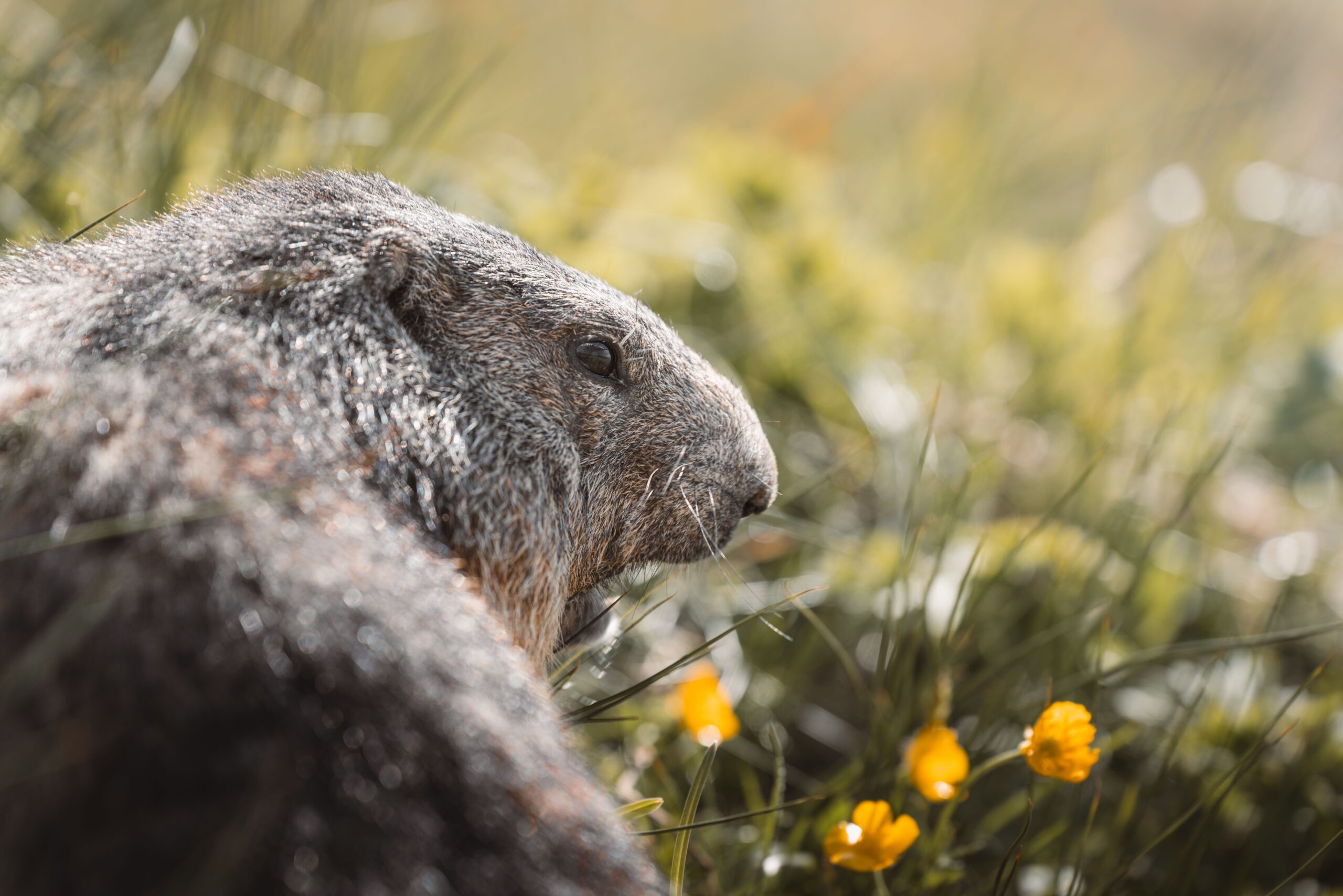
Marmots are highly social animals and have a strong sense of companionship. When danger approaches, they will alert their friends with a high-pitched voice, or even play around with each other. Marmots are very wary, and if a human tries to approach them, they will immediately make a warning sound and run away, making them quite thoughtful animals.
- Sociality and Cooperativeness
Preference for social life: Ground marmots, in particular, live in groups and cooperate with their peers.
Sentimental guards: They are highly cooperative, protecting their peers by yelling out warnings when predators approach.
Compassionate: They strengthen their bonds with their peers through play and grooming.
- Curiosity and Intelligence
Curious: They are sensitive to new objects and sounds, and learn by observing their surroundings.
Highly adaptable to their environment: They skillfully adjust the structure of their burrows and the timing of hibernation.
- Gentleness and Vigilance
Generally gentle and calm: They are low in aggression and rarely get into fights.
Highly Vigilance: They are sensitive to the approach of predators or humans and quickly retreat to their burrows.
Defensive Behavior: When they sense danger, they will warn their peers, flee, or hide in their burrows.
- Playfulness and Learning Ability
Playful: Young animals develop social skills and muscle strength through play.
Observational Learning: They learn to spot food and danger by imitating the behavior of adults.
What is the ecology of marmots?
Marmots are herbivorous, eating grass, fruits, moss, tree roots, flowers, etc. Marmots are active from mid-April to late September, but hibernate from early October to mid-April. The breeding season occurs in the spring, just after hibernation. It is said that it takes about two years to reach sexual maturity. Their lifespan is 15 years in the wild and over 20 years in captivity.
- Diet
Predominantly Herbivorous: Eats grasses, leaves, seeds, fruits, etc.
Partially Omnivorous: May consume small amounts of insects and small invertebrates.
Hibernation Preparation: In autumn, they store body fat in preparation for hibernation.
- Movement/Home Range
Diurnal: Active during the day, gathering food and resting in burrows.
Burrow Life:
Digs burrows in the ground.
Uses them for hibernation, raising young, and protection from predators.
Public Life:
Depending on the species, they live in groups of 10-30 individuals.
Puts on sentries to warn of danger.
- Hibernation
Duration: Hibernates for approximately 5-7 months in cold regions.
Physiological Changes:
Lowers body temperature by several degrees.
Significantly reduces heart rate and metabolism to conserve energy.
Hibernation Location: Sleeps safely deep in the burrow.
- Reproduction
Breeding Season: After resuming activity in the spring, mating occurs.
Gestation Period: Approximately one and a half months (depending on the species).
Birth: Gives birth to 2-5 young at a time.
Raising: The mother cares for the young in the den. Other females in the group may assist.
- Intelligence and Behavior
Alert Behavior: Alerts the young by calling out when a predator approaches.
Learning Ability: Young young learn about food and danger by imitating the behavior of adults.
Sociality: They deepen their bonds with each other through play and grooming.
What are the natural enemies of marmots?
Marmots’ natural enemies include carnivores such as eagles and foxes. Dogs and cats are also natural enemies and are preyed upon.

Marmot Vocalizations
Marmots produce surprisingly loud and piercing calls given their small size. They are particularly well-known for the high-pitched alarm call (whistle) used to signal danger.
- Alarm Call (Whistle)
“Peeeee!” “Pee!”
The signature call of the marmot.
Emitted when spotting predators such as eagles, foxes, wolves, or humans.
They stand up on rocks or at the entrance of their burrows to alert their companions to danger.
The call is loud enough to reach others hundreds of meters away.
This alarm system is particularly crucial for Alpine marmots living in high-mountain regions.
- Communication Among Companions
“Kuk-kuk,” “Grrr,” “Kyu-kyu”
Checking the locations of herd members.
Communication between parent and offspring.
Signals given while moving.
Marmots are highly social animals that live in family groups, so they frequently interact using vocalizations.
- Threat/Warning Calls
“Gya!” “Kee!”
When an intruder enters the burrow.
During conflicts with other marmots.
When protecting their young.
Vocalized while baring teeth or making the body appear larger.
- Calls of the Young
“Pi-pi,” “Chu-chu”
Calling for the mother.
Expressing anxiety or hunger.
Commonly observed in very young marmots.
Seasonal Activities
Marmots are famous for hibernating; their annual activity cycle is broadly divided into a “short summer” and a “long hibernation.” Species living in alpine regions spend nearly half the year inside their burrows.
🌸 Spring (April–June)
Activity Level: ★★★☆☆ (Post-hibernation)
Waking up from long hibernation.
Emerging from burrows as the snow melts.
Prioritizing feeding immediately, as body weight has dropped significantly since before hibernation.
Regaining strength by consuming large amounts of young grass, flowers, and plant shoots.
Entering the breeding season and mating.
Key Activities
Waking from hibernation
Sunbathing
Foraging
Breeding
Burrow repair
☀️ Summer (July–August)
Activity Level: ★★★★★ (Peak activity)
The most active time of the year.
Foraging for long periods in alpine meadows.
Increased activity in the mornings and evenings; sunbathing and resting on rocks during the day.
Moving in family groups; a time when young marmots (pups) emerge from the burrow to play.
Alerting the group with a high-pitched “peep!” warning call when sensing danger.
Key Activities
Eating grass
Socializing with the group
Raising young
Gaining weight
🍂 Autumn (September–October)
Activity Level: ★★★★☆ (Preparing for hibernation)
Eating heavily in preparation for hibernation.
A season of “fattening up” to store body fat.
Maintaining burrows and preparing bedding for hibernation.
Gathering in burrows as family units.
Key Activities
Heavy feeding
Fat accumulation
Burrow preparation
Huddling together
❄️ Winter (October–April)
Activity Level: ☆☆☆☆☆ (Hibernation)
Hibernating inside the burrow for approximately 5–7 months.
Drastically lowering body temperature to conserve energy.
Significantly reducing heart rate and breathing rate.
Huddling together to maintain body heat. Example:
Normal body temperature: Approx. 37°C
During hibernation: Can drop to around 5°C
Key behaviors
Long-term dormancy
Consuming fat
Huddling together to retain heat
Walking Speed
Although marmots have stocky builds, they move surprisingly quickly when sensing danger or returning to their burrows. However, they are not built for high-speed travel over long distances; they are primarily adapted for short-distance movement.
🚶 Normal Walking
Approx. 1–3 km/h
The speed at which they move slowly while grazing.
They walk cautiously over rocky terrain and slopes.
🏃 Hurried Movement / Fleeing
Approx. 5–10 km/h
Observed when spotting a predator or returning to the burrow.
Despite their short legs, they run quickly while keeping a low profile.
💨 Top Speed (Short-Distance Sprint)
Approx. 15–20 km/h
Reached when escaping from threats such as foxes or birds of prey.
This is not a speed maintained for long periods, but rather a burst of movement lasting anywhere from a few seconds to just over ten seconds.
About Baby Marmots
Of course. Let’s summarize the characteristics and lifestyle of baby marmots (genus Marmota).
- Birth and Size
Birth Period: Most marmots give birth after resuming activity in the spring.
Birth Weight: Approximately 100-200g (depending on species).
Body Length: Approximately 10-15cm.
Coat Color: At birth, they have light fur, which changes to their adult color as they grow.
- Rearing and Care
Matriarchal Care: The mother cares for the young within the burrow.
Burrow Safety: They spend time deep within the burrow to protect them from predators.
Group Cooperation: In some species, other females also help care for the young.
- Developmental Process
Lactation Period: Approximately 4-6 weeks.
First Outing: After nursing, they begin to walk around near the burrow.
The Importance of Play:
Playing with other young animals helps them develop muscle strength and social skills.
They learn to sense danger and be on guard.
- Learning and Socialization
Learning from their mother and other adults in the pack:
They learn about edible plants and how to eat them.
They understand how to react to predators and the meaning of warning calls.
Learning the Rules of the Pack:
They acquire skills necessary for pack life, such as watchkeeping and burrow behavior.
- Maturity
Sexual Maturity: 1–3 years (depending on species).
Position within the Pack:
Males may leave the pack.
Females remain in the matriarchal pack and learn to raise the next generation.
There are many subspecies of marmots.Are there any endangered species?
Marmots are known to have many subspecies. There are the following subspecies, and their habitats vary. Some subspecies are at risk of extinction and require urgent conservation action.
| Name:名前 | academic name (学名) | Group (属名) | Habit (生息地) |
| Gray marmot ハイイロマーモット | Marmota baibacina | Marmota | Siberia シベリア |
| Bobak marmot ステップマーモット | Marmota bobak | Marmota | Europe, Asia ヨーロッパ、アジア |
| Alaska marmot アラスカマーモット | Marmota broweri | Marmota | Alaska アラスカ |
| Black-capped marmot ズグロマーモット | Marmota camtschatica | Marmota | Siberia シベリア |
| Long-tailed marmot オナガマーモット | Marmota caudata | Marmota | Asia アジア |
| Forest-steppe marmot フォレストステップマーモット | Marmota kastschenkoi | Marmota | Russia ロシア |
| Himalayan marmot ヒマラヤマーモット | Marmota himalayana | Marmota | himalayas ヒマラヤ山脈 |
| Alpine marmot アルプスマーモット | Marmota marmota | Marmota | Europe ヨーロッパ |
| Menzbier’s marmot ティエンシャンマーモット | Marmota menzbieri | Marmota | Asia アジア |
| Groundhog ウッドチャック | Marmota monax | Marmota | USA アメリカ |
| Tarbagan marmot シベリアマーモット | Marmota sibirica | Marmota | Siberia シベリア |
| Hoary marmot シラガマーモット | Marmota caligata | Petromarmota | USA アメリカ |
| Yellow-bellied marmot キバラマーモット | Marmota flaviventris | Petromarmota | Canada カナダ |
| Olympic marmot オリンピックマーモット | Marmota olympus | Petromarmota | USA アメリカ |
| Vancouver Island marmot バンクーバーマーモット | Marmota vancouverensis | Petromarmota | Canada カナダ |
What is a gray marmot?
The gray marmot is one of the largest species in the Palearctic region. The front feet have four fingers and strong claws for digging in the soil, and the hind feet have five fingers. The coat is gray and the fur on the back is beige to tan, with brown to black hairs or tips mixed throughout.
What is a steppe marmot?
Steppe marmots range from central and eastern Ukraine through far southwestern Russia to northern and central Kazakhstan. These marmots are very sociable and communicate with each other by making loud whistles when alarmed.
What is an Alaskan marmot?
Alaskan marmots live in the Yukon and Porcupine River mountains of north-central Alaska, including the Brooks Range, Ray Range, and Kokrines Hills. This marmot is particularly found in grasslands, inland cliffs, and mountain peaks. The Alaskan marmot is characterized by a short neck, broad and short head, small ears, short, powerful legs and feet, and a tail covered with bushy, dense fur. The fur on the nose and the back of the head are usually dark in color.
What is a black marmot?
The black marmot is a marmot with a short tail. The dorsal fur is greyish-yellow-gray and the underside fur is cinnamon-colored. The tail is brownish-black. The upper part of the head is brownish-black. Black marmots hibernate from September to mid-May. They live in the harshest environment in the world because they live in the arctic tundra. Therefore, they are diurnal and depend on sunlight hours.
What is a long-tailed marmot?
The long-tailed marmot is characterized by a relatively light overall body color, either golden-yellow or orange-yellow. The face is brownish, and the top of the head is usually brown to black. The eyes are fairly flat near the top of the head, the ears are small, and the neck is short. The long-tailed marmot is distributed in Afghanistan, Kyrgyzstan, Tajikistan, Kazakhstan, Uzbekistan, Pakistan, India, and China.
What is a forest steppe marmot?
This marmot is found in central and southern Russia. The population is estimated to have remained stable over the past several decades at approximately 14,000 to 16,000 individuals. This marmot lives in a relatively small area due east of the upper Ob River, and not much information is available about it.
What is a Himalayan marmot?
Himalayan marmots have dense woolly fur with a dark gray back and dark yellowish tints on the ears, belly, and limbs. It is one of the largest marmots in the world, about the same size as a domestic cat. Himalayan marmots live in northeastern Pakistan, northern India, Nepal, Bhutan, and China.
What is an Alpine marmot?
Alpine marmots are said to be animals of the cold grasslands of the Pleistocene era, and are said to have survived since ancient times. Alpine marmots continue to live in alpine grasslands at high altitudes. Alpine marmots live throughout the European Alps, extending to the alpine regions of France, Italy, Switzerland, Germany, Slovenia, Slovakia, and Austria.
What is Tian Xiang Marmot?
Tianshan marmots live in the mountainous regions of Kazakhstan, Kyrgyzstan, Uzbekistan, and Tajikistan. It is unique among marmots and is quite conspicuous with its dark colored upper body and rear. Tien Xiang marmots prefer moist areas with short grass at high altitudes.
What is a woodchuck?
Woodchucks range from the lowlands of North America across Canada and into Alaska. Although marmots are supposed to prefer higher areas, they are unique among marmots as they are low-lying animals. Woodchucks are highly intelligent animals that form dense social networks and value social norms.
What is a Siberian marmot?
The Siberian marmot is also known as Tarbagan. Siberian marmots live in China, Russia, and Mongolia, and prefer areas above 300 meters above sea level. Due to overhunting for its fur, its population has declined dramatically and it is also designated as an endangered species.
What is Shiraga Marmot?
The white-breasted marmot lives in the mountains of northwestern North America, where it eats grass and pastures on slopes and hides in rocky places. This marmot is characterized by short limbs and a wide head. In most species, males are larger than females.
What is Kibara Marmot?
The brown marmot is a diurnal creature that lives from the United States to Canada, including the Rocky Mountains and Sierra Nevada Mountains. Predators include wolves, foxes, coyotes, dogs, and eagles, so they move quickly and work together with their friends. They spend about 80% of their lives in burrows.
What is an Olympic marmot?
The Olympic marmot is an endemic species found only in Washington state. This marmot is about the same size as a domestic cat, with males weighing more than females. It has a wide head, small eyes and ears, stubby legs, and a long, bushy tail.
What is a Vancouver marmot?
The Vancouver marmot is listed as an endangered species and is in critical condition. They are only found on Vancouver Island in British Columbia, so their numbers are small. With 90% of the population gone, Canada has implemented conservation programs for this species and the population is slowly starting to recover.

Can marmots be kept?
So, finally, is it possible to raise animals at all? What kind of environment do you prefer? Please have the following tools available at your pet store:
A burrow is an essential tool
Marmots basically spend most of their time in burrows. Therefore, it is necessary to prepare some kind of nest box. Winter is also the time of hibernation.
How much does it cost?
Marmot seems to cost around 500,000 to 1 million yen in Japanese yen. Also, subspecies that are designated as endangered species are unlikely to be obtained because their numbers are small in the first place.
What kind of food is good?
Their food is plant-based, so they love grass, nuts, and fruits. These preparations are required. Please do not feed them food like guinea pigs. Marmots are different from guinea pigs.
Is it possible to get used to humans?
This all depends on the marmot’s personality. They are naturally very cautious creatures, so it is impossible to play with them all of a sudden. Please take your time and gradually shorten the distance.
Zoos Housing Marmots (Japan & Worldwide)
While marmots are rare in Japan, various species—such as Alpine marmots, Himalayan marmots, and woodchucks (groundhogs)—are kept in zoos and wildlife parks around the world.
🇯🇵 Major Facilities in Japan Where Marmots Can Be Seen
Nasu Animal Kingdom
Species: Alpine marmot
One of the prominent facilities in Japan where marmots can be seen.
They are sometimes exhibited in the alpine animal area.
Visitors can observe behaviors close to those seen in the wild, such as burrowing and sunbathing.
Nagano City Chausuyama Zoo
A zoo with a track record of keeping marmots.
They place a strong emphasis on exhibiting mountain-dwelling animals.
Toyama City Family Park
A facility that exhibits animals from northern and mountainous regions.
They have a history of keeping and exhibiting marmots.
*Note: As marmots hibernate, exhibition status varies by season. In winter, they may be sleeping in their burrows and unavailable for viewing.
🌍 Major Facilities Worldwide Where Marmots Can Be Seen
🇨🇭 Swiss Alps Region
Zoo Zürich
Species: Alpine marmot
Exhibited as a representative animal of the Alps.
Plays an important role in conservation education and introducing the alpine ecosystem.
Tierpark Goldau
Species: Alpine marmot
Famous for its exhibits of Swiss mountain animals.
Visitors can observe them in a rocky environment that closely resembles their natural habitat.
🇩🇪 Germany
Tierpark Berlin
Exhibits mountain animals such as Alpine marmots.
One of the European zoos with a relatively high number of marmot exhibits.
Wilhelma
A historic zoo featuring mountain animal exhibits.
Offers opportunities to see marmots.
🇺🇸 North America
Smithsonian’s National Zoo
Species: Woodchucks (groundhogs) and other North American marmots
Features educational exhibits on species native to North America.
Denver Zoo
Exhibits animals from the Rocky Mountains region and occasionally features marmots.
Introducing other animals



コメント