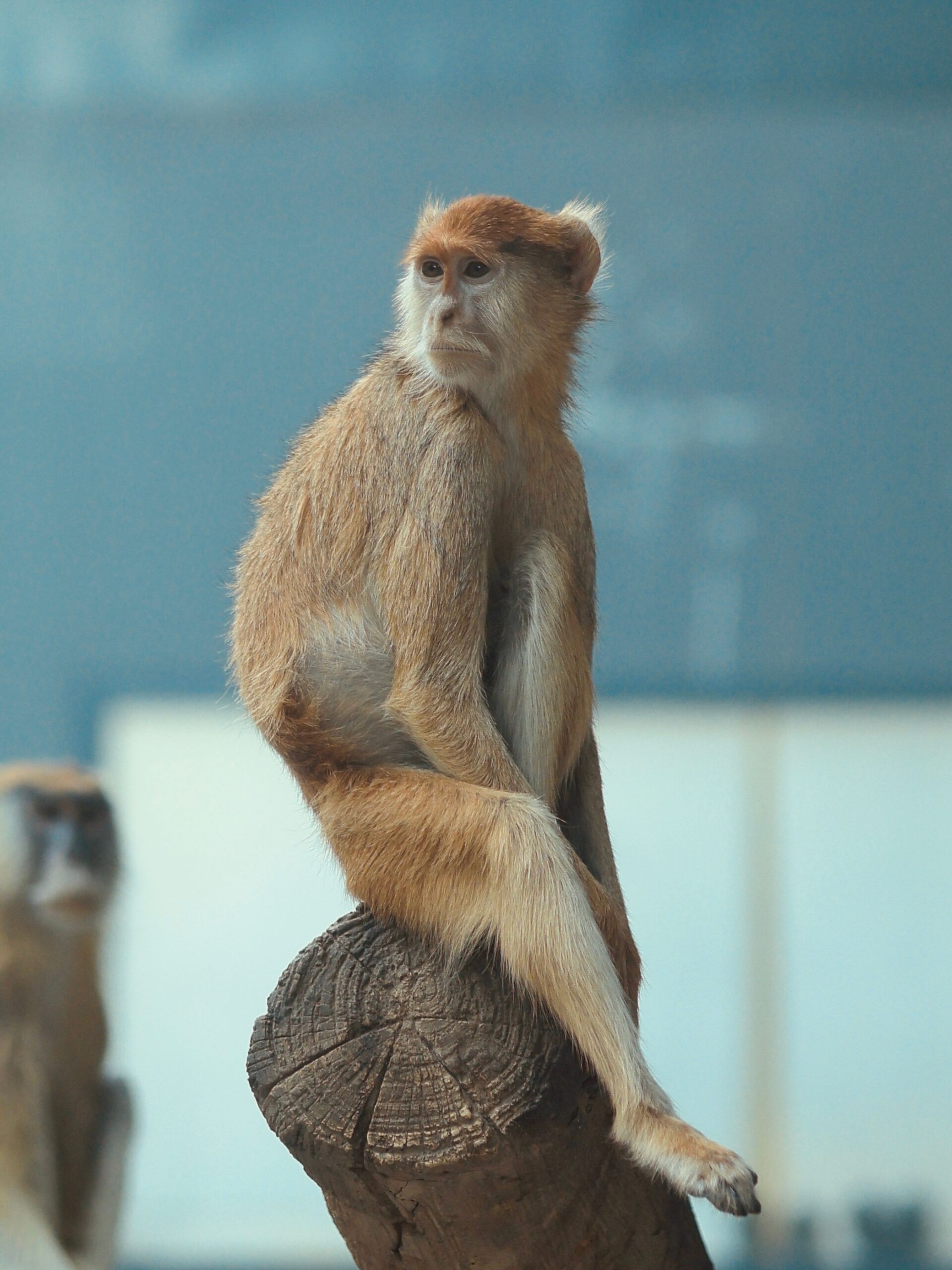
What kind of animal is a lizard? We will explain its characteristics, ecology, and habitat. This monkey is the largest species of monkey among the gibbons that can be seen in zoos and online pages. They live in the forest areas of Southeast Asia, and although they are widely distributed, their numbers have decreased, suggesting the possibility of extinction.






- What is a Fukuro-gibbon? About basic status
- What are the roots and origins of the siamang?
- About habitat
- feature is? What kind of creature is it?
- What is your personality like?
- What does the ecology look like?
- About Molting
- About Their Calls
- Seasonal Activities
- Regarding Walking Speed
- About baby siamangs
- Is the fluffy gibbon an endangered species?
- Is it possible to keep a fluffy gibbon as a pet?
- Zoos Housing Siamangs (Japan & Worldwide)
- Introducing other animals
What is a Fukuro-gibbon? About basic status
Gibbons are mammals classified in the order Mammalia, order Primates, and family Gibbons. The scientific name is Symphalangus syndactylus. The body length is 71-90cm and the weight is 10-20kg. The list of information is as follows. The English name is siamang.
| Japanese(和名) | フクロテナガザル |
| English(英名) | Siamang |
| scientific name(学名) | Symphalangus syndactylus |
| classification(分類) | Mammalia、Primates、 Hylobatidae、Symphalangus 哺乳綱、霊長目、テナガザル科、フクロテナガザル属 |
| IUCN Status(保全状況) | VULNERABLE |
| Length(体長) | 71-90cm |
| Weight(体重) | 10-20kg |
What are the roots and origins of the siamang?
The roots of the siamang lie with the “lesser apes” (gibbons), a group that diverged approximately 15 to 17 million years ago. While their current habitat is Southeast Asia, their ancestry traces back to an older lineage of apes.
Broad taxonomic classification
The siamang is classified as follows:
Primates
→ Apes (Hominoidea)
→ Lesser Apes (Family Hylobatidae)
→ Genus Symphalangus
In other words, they are not “monkeys” but belong to the same group of “apes” as humans, chimpanzees, gorillas, and orangutans.
However, regarding their evolutionary lineage,
it is believed that around 16 million years ago,
gibbons (lesser apes)
diverged from
great apes (the lineage comprising orangutans, gorillas, chimpanzees, and humans).
Where did they originate?
Their ancestral home was the tropical forests of Southeast Asia.
Their current distribution includes:
the Malay Peninsula
Sumatra
the area around Borneo
forests in Indonesia
and other regions; however, ancient gibbons may have been widely distributed across an area stretching from southern China to Southeast Asia.
The Origins of the Siamang
A broad overview of their evolution:
Approx. 25 million years ago
↓
Early apes (Africa)
↓
Ape lineage that migrated to Asia
↓
Approx. 16 million years ago
↓
Gibbon lineage diverged
↓
Approx. 5–10 million years ago
↓
Rapid diversification of modern gibbons
↓
Emergence of the Siamang
Gibbons evolved unique traits specialized for life in the forest, including:
Long arms
Highly mobile shoulder joints
“Brachiation” (swinging from branch to branch)
Territory assertion through loud vocalizations
Why do they have a “sac”?
The Siamang’s most distinctive feature is the large throat sac (vocal sac) located beneath the throat.
From an evolutionary standpoint, this sac serves to:
Project their calls over long distances in the forest
Signal the territory of a mated pair or family group
Strengthen communication with other members of the group
Their calls can carry for several kilometers.
scientific classification
- 界:動物界 (Animalia)
- 門:脊索動物門 (Chordata)
- 綱:哺乳綱 (Mammalia)
- 目:霊長目 (Primates)
- 亜目:真猿亜目 (Haplorhini)
- 科:テナガザル科 (Hylobatidae)
- 属:主に Hylobates、または Nomascus、Symphalangus など
- 種:複数の種が存在
About habitat
The Fukuro-gibbon is distributed in the Malay Peninsula and Sumatra Island.
- Geographic Distribution
Mainly Southeast Asia
Thailand, Malay Peninsula, Indonesia (Sumatra, Java, etc.), Vietnam, Southern China
Many species are found on islands and peninsulas
- Forest Environment
Dependent on tropical and subtropical rainforests
Mainly lives in the canopy layer, rarely descending to the ground
High forest density, and tree lineage is important
Environment Type Characteristics
Tropical Rainforest: High humidity and dense forest with abundant tree branches, ideal for brachiation (movement by hanging)
Lowland Forest/Mid-Altitude Forest: Moderately dense tree cover, abundant food resources
Around farmland and logging sites: Some populations are mobile, but deforestation makes this difficult
- Behavioral Environment
Exclusively arboreal
Eating, moving, resting, and breeding all occur in trees
Move by hanging between branches using their long arms
Territory
Each group has its own territory, and moves mainly during the day in search of food
- Water Sources and Food
They feed on fruits, leaves, flowers, and bark, so they choose forests rich in food.
They often replenish their water supply through fruits and leaves.
feature is? What kind of creature is it?
The Fukuro-gibbon is the largest species of gibbon. It lives in the Malay Peninsula and Sumatra, and prefers forest areas. The front legs are longer than the hind legs and there is no tail. All black except around the nose and mouth. They have a large vocal sac in their throat that can be inflated. They communicate with their friends by barking loudly using their throat pouches. They usually live in groups. It is mainly active during the day and prefers living in trees.
- Physical Characteristics
Body Type: Medium-sized ape, with very long arms, longer than their legs.
Body Length: Approximately 40-70 cm, Weight: 4-10 kg
No tail (characteristic of apes).
Face: Many species have a black face with white borders or ring-like patterns.
Coat Color: Varies by species, including black, brown, and gold.
Limbs: Long arms and fingers, ideal for brachiation, a technique used to hang from trees.
- Movement/Behavior
Specialized in arboreal life.
Move by hanging from tree branches with their long arms.
Rarely descend to the ground.
Highly agile and dexterous.
Quickly move from branch to branch to gather food.
- Diet
Mainly herbivorous (fruit, leaves, flowers, bark, etc.).
Move through the broad canopy of trees to search for food.
Some species also eat insects.
- Sociality/Personality
They often live in pairs.
Monogamy is the norm.
Family units have their own territories.
They have a strong sense of territory and communicate through song.
They sing high-pitched songs in the morning and evening to announce their territory and the presence of their mate.
- Intelligence
High motor skills and intelligence adapted to life in trees.
They have the judgment to select and eat fruits and leaves, and are known to cooperate as a pair.
What is your personality like?
Gibbons, like many monkeys, are highly social. Therefore, they place great importance on discipline, and will also warn other members of danger.
- Monogamous and family-oriented
Typically, pairs have territories, and pair bonds are very strong.
Parent-child relationships are also close, with young living with their mother and father for long periods of time.
- Sociality and Territoriality
Strongly territorial
They use vocalizations (singing) to warn others about their treetop habitat.
They live in family units, but tend to avoid contact with others.
- Highly intelligent and curious
They demonstrate their high intelligence in determining how to navigate branches and selecting food.
They are curious about new things and environments, but are cautious about danger.
- Gentle and peaceful
Low-aggression and cooperate with their family and pair.
They communicate through vocalizations, resolving conflicts with warnings rather than fighting.
- Vocal communication
Singing is a personality trait.
They announce their mates and territories in the early morning and evening.
They have a gentle and cooperative personality that values vocal communication.
What does the ecology look like?
Fukuro-gibbons live by eating plants such as fruits, nuts, leaves, and flowers. There is no set breeding season, and the gestation period is over 200 days. It is possible to give birth to 1 to 2 puppies at a time. It has a lifespan of 30 to 40 years.
- Living Environment
Habitat: Tropical and subtropical rainforests of Southeast Asia (Thailand, Malay Peninsula, Sumatra, Java, Vietnam, Southern China, etc.)
Strictly arboreal: Movement, eating, and resting are primarily concentrated in the canopy
Rarely descend to the ground
- Diet
Primarily herbivorous (omnivorous with a tendency to be herbivorous)
Fruits, leaves, flowers, bark, buds, etc.
May supplement with some insects
Selective feeding, they change their range depending on the distribution of fruit
- Sociality/Group Structure
Primarily live with a mated pair and their offspring
Monogamous and maintains a family territory
Uses vocalizations (songs) within their territory to warn and inform other individuals
Cooperative within the family, with little conflict
- Behavior Pattern
Diurnal (active during the day, resting in trees at night)
Locomotion: They move by swinging from branch to branch using their long arms (brachiation)
Move over a wide area while searching for food
They communicate by calling to establish mates and territories
- Reproduction
Sexual maturity: Females reach approximately 8 years, males reach approximately 10 years
Gestation period: Approximately 7 months
Litter size: Usually 1 pup
Rearing: Both the mother and father are involved in rearing, and the pups remain with the family for several years.
Are there any natural enemies?
Fukuro-gibbons are safe because they usually live in trees, but on the ground their natural enemies include tigers and leopards.
About Molting
Siamangs do not molt in the way dogs or cats do—shedding large amounts of fur all at once depending on the season. True to their nature as primates, they undergo a continuous molting process where their fur is replaced gradually.
Characteristics of Siamang Fur
Siamangs are covered from head to toe in long, black fur.
Color: Black (though juveniles may sometimes have lighter-colored fur)
Texture: Dense and soft
Functions:
Maintaining body temperature
Protecting the skin from rain and moisture
Blocking ultraviolet (UV) rays
Providing protection during their arboreal (tree-dwelling) life
Because they inhabit tropical rainforests, they do not need to undergo major seasonal coat changes (such as switching between winter and summer coats) to cope with temperature fluctuations.
The Molting Process
Siamang fur follows this cycle:
Old fur sheds
↓
New fur grows from the follicle
↓
Fur across the body is gradually renewed
In other words, it differs from the seasonal molting common in many other mammals, where:
All fur sheds in the spring
A winter coat grows in during the autumn
Times When Molting Is Noticeable
In the wild, increased shedding can occur due to factors such as:
Shifts between rainy and dry seasons
Nutritional status
Hormonal changes
Breeding season
Stress
In zoos, noticeable molting can occur particularly due to:
Environmental changes
Diet
Lighting duration
Temperature fluctuations
About Their Calls
The calls of the siamang represent a highly developed form of “long-distance communication” among primates. Their most distinctive feature is the ability to inflate a large throat sac (vocal sac) located beneath the throat to produce loud calls that resonate throughout the forest.
Why do they make such loud calls?
Siamangs inhabit the dense forests of Southeast Asia.
In these rainforests,
trees grow densely,
visibility is poor, and
groups live far apart from one another;
consequently, signaling their presence through sound was more efficient than relying on visual contact.
Their calls serve the following primary roles:
① Territorial declaration
This serves as a signal that “this is our forest.”
Especially in the morning,
males and
female-male pairs
engage in a loud, collective chorus.
They signal to other groups several kilometers away that
“this territory is occupied.”
② Strengthening pair and family bonds
Siamangs generally live in monogamous pairs.
Males and females alternate singing complex songs to
confirm the bond between the pair,
gauge the distance between partners, and
maintain family cohesion.
These interactions serve a purpose similar to human “conversation” or “choral singing.”
The secret of the throat sac (vocal sac)
This sac is the siamang’s most distinctive feature.
When calling,
the throat sac inflates with air,
acting as a resonance chamber,
which greatly amplifies the voice.
This mechanism results in a unique call
combining deep, resonant tones,
metallic high-pitched notes, and
sounds resembling growls.
Types of calls
Low-pitched “ho” or “oo” sounds
Primarily for territorial claims or confirming presence.
Rapid, high-pitched screams
Used during excitement or as “pair calls.”
Rhythmic, continuous sounds
Male-female duets.
Alarm calls
Sounds used to signal the presence of predators or danger.
Seasonal Activities
Siamang activity patterns do not involve phenomena typical of animals in regions with four distinct seasons, such as hibernation, growing a winter coat, or drastic changes associated with a specific breeding season.
As they are adapted to the rainforest, their behavior shifts primarily in response to the alternation between the rainy and dry seasons, food availability, and fruit ripening cycles.
🌧 Rainy Season (Generally November–April)
Activity Level: High
A period of heavy rainfall and abundant vegetation.
Key Behaviors
Increased time spent searching for fruit
Active movement through the canopy
Eating young leaves and shoots
Increased activity within family groups
Diet
During the rainy season, food sources increase, including:
Figs
Soft fruits
Leaves
Flowers
Insects
Siamangs are primarily frugivorous (fruit-eating), so the quantity of available fruit significantly influences their activity levels.
☀️ Dry Season (Generally May–October)
Activity Level: May decrease slightly
Reduced rainfall leads to:
A need to secure water
Increased travel distances to find food
Changes in travel routes
Key Behaviors
Early morning activity
Resting during the hot midday hours
Spending time in the shade of the canopy
Traveling over wide areas to forage
High tropical temperatures prompt them to conserve energy during the day.
🌅 Morning (Crucial regardless of the season)
The morning is the focal point of the siamang’s day.
After sunrise:
Waking up
Grooming
Duetting (loud, coordinated vocalizations)
Foraging begins
This is the typical sequence of events.
Morning vocalizations serve to:
Assert territorial boundaries
Strengthen pair bonds
Warn other groups
🌞 Midday
Increased resting time
Avoiding the midday heat of the rainforest.
Behaviors:
Resting in trees
Grooming
Leisurely foraging
Caring for offspring
Activity is reduced, especially during periods of high heat.
🌆 Evening
Feeding
Traveling
Searching for a sleeping spot
Before sunset, they move to the branches of tall, safe trees.
Siamangs do not sleep in the exact same spot every night; instead, they select sleeping locations based on the situation.
Regarding Walking Speed
The walking speed of the siamang is not particularly fast for a ground-dwelling animal.
This is because the siamang is not primarily a “walking animal,” but rather an ape specialized for moving through the treetops using its arms (brachiation).
Ground Walking Speed
As a general estimate:
Normal walking: Approx. 2–3 km/h
Hasty movement: Approx. 4–6 km/h
Compared to a human’s normal walking speed (approx. 4–5 km/h), they are not very fast on the ground.
Why aren’t they good at walking?
The siamang’s body is “designed for the treetops,” featuring:
Very long arms
Shorter legs
Highly mobile shoulder joints
A lightweight body
Rather than running on the ground like a quadruped,
they have evolved to expend energy on movements such as:
grasping a branch → swinging the arm → moving to the next branch.
Incredible Speed in the Treetops
The siamang is truly in its element in the trees.
Brachiation (swinging by the arms)
Speed:
Capable of speeds equivalent to approx. 15–35 km/h.
They use their long arms like pendulums to move rapidly by:
supporting their body weight with one arm
swinging their body forward
grasping the next branch.
Characteristics of Their Walking Style
Unusually for ground movement,
they sometimes engage in bipedal walking.
Reasons:
To spread their long arms for balance
To move across open areas in the forest
To prepare for swinging between branches
When walking,
they spread both arms out to the sides
sway their bodies from side to side
and move slowly and cautiously,
creating a silhouette somewhat reminiscent of a human.
About baby siamangs
This article explains baby siamangs (Hylobates genus, etc.). They are perfectly adapted to arboreal life, and their relationship with their parents is crucial for their development.
- Birth and Physical Characteristics
Birth Weight: Approximately 400-600g
Body Length: Approximately 30-35cm
Coat Color: Lighter than adult fur (mostly light brown or pale)
Limbs and Tail: No tail, and limbs still thin and small, but they cling tightly to their mother’s arms
- Dependence on Mother and Father
Nursing Period: Approximately 18-24 months
Cubs are held by their mother and stay safe in the trees
Fathers are sometimes involved in raising their young, helping and watching over the mother
- Growth and Development
Mobility Acquisition: Using their long arms to learn how to move from branch to branch
Eating Acquisition: Learning to Eat Fruits and Leaves from Their Mother and Eating Small Amounts
Social Learning: Learning Cooperation and Communication Through Play with Parents and Siblings
- Behavioral Characteristics
They love to play, jumping and hanging in the trees.
They are inquisitive, touching branches and leaves and observing their mother’s behavior.
If they sense danger, they return to their mother or father.
- Protection from Predators
Chubby young are weak on their own and find safety under the protection of their mother or father.
They protect themselves from predators by hiding in the trees.
Is the fluffy gibbon an endangered species?
The fluffy gibbon is designated as an endangered species. The reason for this is land development in Southeast Asia. Deforestation is so advanced that there is no land left for them to live on, and as a result they are increasingly attacked by natural enemies.
- IUCN Assessment
Classification: Many species are listed as Endangered (EN) or Vulnerable (VU)
Reasons:
Habitat deforestation and fragmentation
Illegal hunting and pet trade
Limited habitat leads to declining populations
- Main Extinction Risks
Deforestation and Habitat Destruction
Habitat reduction due to tropical rainforest conversion to agricultural land and logging
As arboreal species, forest fragmentation makes it difficult for them to move and find food
Capture and Illegal Trade
Population decline due to capture for pets and traditional use
Habitat Isolation
Population isolation due to forest fragmentation leads to a decline in genetic diversity
- Conservation Status
Found in protected areas and national parks
Forest protection and prevention of illegal capture are essential to reducing extinction risk
Trade is regulated internationally under CITES
Is it possible to keep a fluffy gibbon as a pet?
The fluffy gibbon is an endangered species and cannot be kept by the general public. We recommend viewing them at zoos and other locations, and asking them to show you around at events. Let’s observe the males and females exhibited in the park. Their cries are so loud that they can be compared to red pandas and chimpanzees.
- Difficulty of Keeping
① Perfectly adapted to arboreal life
They excel at “brachiation,” swinging from branch to branch with their long arms.
They are unable to move freely in small cages or on flat ground, which causes great stress.
② High Intelligence and Sociality
They live in pairs or family units, so solo housing is unsuitable.
Highly intelligent, they are prone to aggression and destructive behavior when bored.
③ Dietary management is difficult.
They consume a wide variety of foods, mainly fruits, leaves, flowers, and tree bark.
It is difficult to reproduce a balanced diet at home.
④ Longevity
They can live for over 30 years in the wild, requiring long-term care.
- Legal Restrictions
Siamangs are subject to wildlife protection laws and the CITES Convention in many countries.
Illegal captivity is subject to penalties.
Even in Japan, they are considered wild animals and cannot be kept without special permission.
- Health and Safety Issues
Due to their high intelligence and strength, they are at risk of biting and scratching.
They are prone to aggression and health problems in stressful or unsuitable environments.
Zoos Housing Siamangs (Japan & Worldwide)
Siamangs are kept in a relatively large number of zoos, both in Japan and around the world.
However, they are an endangered species (classified by the IUCN as “Endangered [EN],” a category indicating a high risk of extinction in the wild) and are subject to breeding programs.
🇯🇵 Major Zoos in Japan
You can see them at several zoos across Japan.
🐒 Hokkaido & Tohoku
Akita City Omoriyama Zoo
Keeps Siamangs
One of the facilities where you can observe their loud vocalizations
Sendai City Yagiyama Zoological Park
Keeps Siamangs
🐒 Kanto
Chiba Zoological Park
Exhibits Siamangs
Introduced as a large gibbon species inhabiting the forests of the Malay Peninsula and Sumatra.
Nasu World Monkey Park
Keeps Siamangs
🐒 Chubu
Higashiyama Zoo and Botanical Gardens
Keeps Siamangs
Japan Monkey Centre
One of the leading facilities housing a large number of Siamangs
🐒 Kansai, Chugoku, & Kyushu
Tennoji Zoo
Keeps Siamangs
Kobe Oji Zoo
Keeps Siamangs
Ikeda Zoo
Exhibits Siamangs
Kujukushima Zoo & Botanical Garden “Mori Kirara”
Keeps Siamangs
Kagoshima City Hirakawa Zoological Park
Keeps Siamangs
🌏 Major Zoos Worldwide
🇺🇸 USA
San Diego Zoo
A large zoo known for its great ape exhibits
Has a track record of keeping gibbons
ABQ BioPark Zoo
Keeps Siamangs
There have been instances where the behavior of a specific individual, “Eve,” attracted significant attention.
🇸🇬 Singapore
Singapore Zoo
Features extensive exhibits of Southeast Asian primates
Known for exhibits that closely replicate the Siamang’s natural habitat
🇬🇧 UK
London Zoo
A zoo with a long history of keeping gibbons
Introducing other animals


コメント