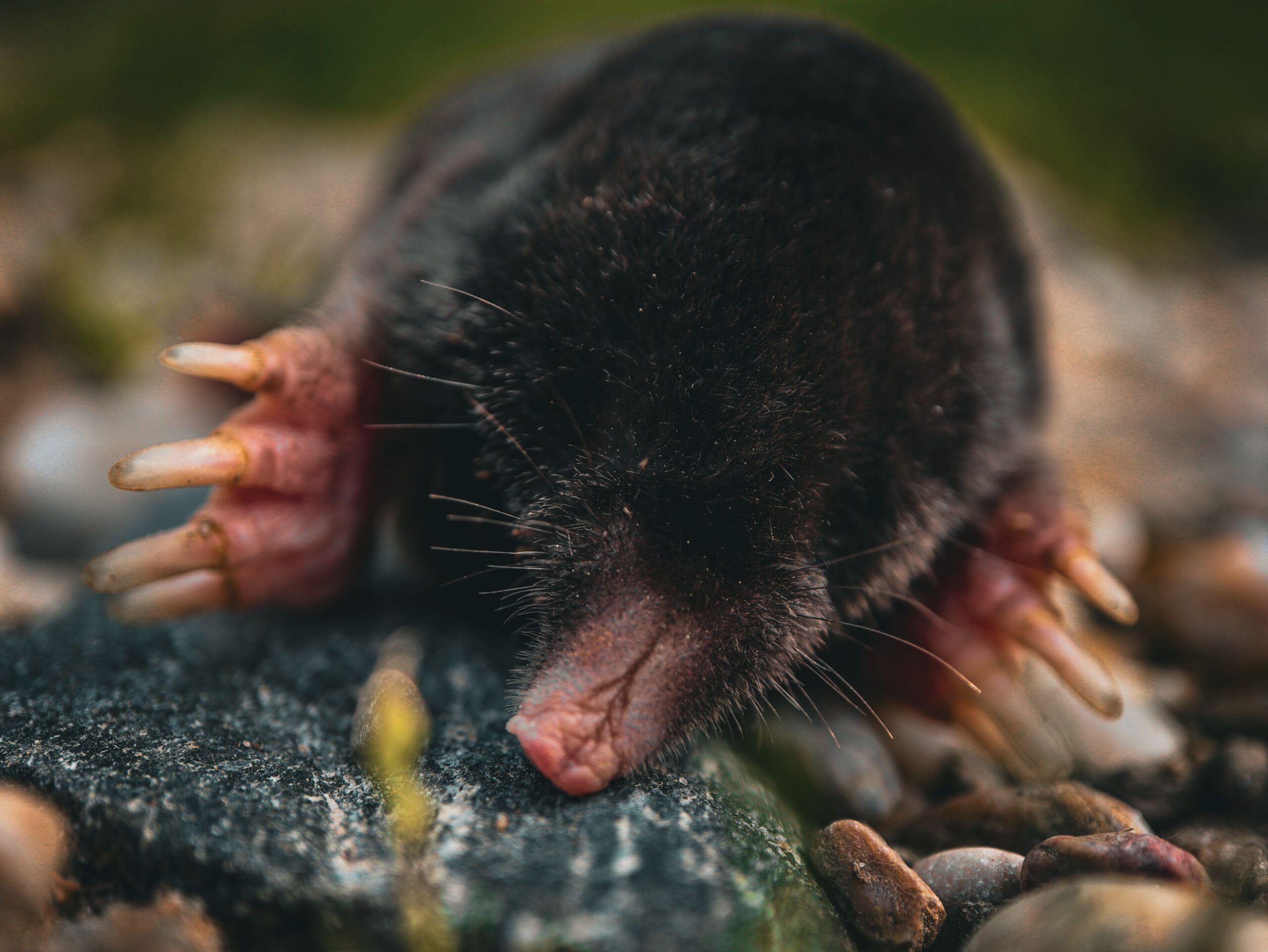
What kind of animal is a spider mole? We will explain its characteristics, ecology, and habitat. The Japanese spider mole is such a minor mole that no one even mentions it in YouTube videos, and it is an animal that is only known among researchers, so I will explain it.






- What is Senka Kumogura? About basic status
- What are the roots and origins of the Senkaku mole?
- About habitat
- feature is? What kind of creature is it?
- What does the ecology look like?
- Regarding Vocalizations
- Seasonal Activity
- Regarding Walking Speed
- About Senkaku mole juveniles
- Is the Japanese spider mole an endangered species?
- Can a spider mole be kept as a pet?
- Zoos Keeping the Species (Japan and Worldwide)
- Introducing other animals
What is Senka Kumogura? About basic status
The spider mole is an animal classified into the genus Mole, family Moleidae, and order Mammalia. The body length is 12 cm and the weight is only 40 g. The scientific name is Mogera uchidai, and the kanji is Senkaku Toryu. The list of information is as follows.
| Japanese(和名) | センカクモグラ |
| English(英名) | Senkaku mole Ryukyu mole |
| scientific name(学名) | Mogera uchidai |
| classification(分類) | Mammalia、Eulipotyphla、 Talpidae、Mogera 哺乳綱、真無盲腸目、モグラ科、モグラ属 |
| IUCN Status(保全状況) | VULNERABLE |
| Length(体長) | 12cm |
| Weight(体重) | 40g |
What are the roots and origins of the Senkaku mole?
The Senkaku mole is believed to be a species unique to Japan that evolved independently on Uotsuri-jima in the Senkaku Islands. Tracing its origins, it likely diverged from East Asian mole lineages (specifically the Taiwanese Mogera insularis lineage) and evolved within the isolated environment of the island.
Origins and Evolutionary Path
① Ancestors were moles of the continental/Taiwanese lineage
Taxonomically, the Senkaku mole belongs to the family Talpidae (moles).
Initially, it was thought to be closely related to the Taiwanese mole (Mogera insularis).
However, detailed research revealed it to be a new genus and species that did not fit perfectly into any existing genus.
② Independent evolution following isolation on the island
Long-term isolation on the small island of Uotsuri-jima is believed to have led to the acquisition of characteristics distinct from moles in other regions.
Key characteristics:
38 teeth (compared to approximately 42 in typical Japanese moles)
Elongated snout
Unique structure of front and back teeth
When did it arrive on Uotsuri-jima?
The exact timeframe remains unknown.
However, since evolving into a unique island species typically requires a vast amount of time, it is thought that ancestral moles arrived on the island hundreds of thousands of years ago or earlier, subsequently becoming isolated and evolving into the Senkaku mole.
History of Discovery
1979: A single specimen was discovered during a survey of Uotsuri-jima.
1991: Formally announced as a new genus and species following research.
In short, the Senkaku mole represents a classic example of island-based evolutionary divergence (akin to the “Galápagos effect”):
“Ancestral moles from the vicinity of Taiwan → Crossed the sea to Uotsuri-jima → Long-term isolation → Evolved into a unique species found nowhere else in the world.”
classification
| 階級 | 分類 |
|---|---|
| 界 | 動物界(Animalia) |
| 門 | 脊索動物門(Chordata) |
| 綱 | 哺乳綱(Mammalia) |
| 目 | モグラ目(Eulipotyphla) |
| 科 | モグラ科(Talpidae) |
| 属 | ウロトリクス属(Urotrichus) |
| 種 | センカクモグラ(Urotrichus talpoides) |
About habitat
The Senkaku spider is an endemic species that can only be found and seen in the Senkaku Islands in Japan. Although there are reports on the ecosystem of mammals, there are many mysteries.
- Distribution
Endemic to Japan, found throughout Honshu, Shikoku, and Kyushu
Not naturally found in Hokkaido
They are particularly common in mountainous and hilly areas, as well as moist forests and grasslands.
- Habitat
The Senkaku mole prefers soft soil suitable for underground living.
Forests
Deciduous broadleaf forests, secondary forests, etc.
Moist soil with plenty of fallen leaves and leaf humid soil is ideal.
Grasslands and farmland
Soft soil with good drainage
Around riverbeds and wetlands
Places with abundant earthworms and insects, providing abundant food.
- Altitude and Climate
Altitude: Flatlands to mountains (approximately 0-1,500m)
Climate: Prefers a warm, humid climate.
Avoid areas with overly dry or hard soil.
- Habitat Characteristics
They live underground and are rarely seen above ground.
They dig tunnels underground to search for insects and earthworms to feed on.
Moist soil and plenty of leaf litter are essential.
feature is? What kind of creature is it?
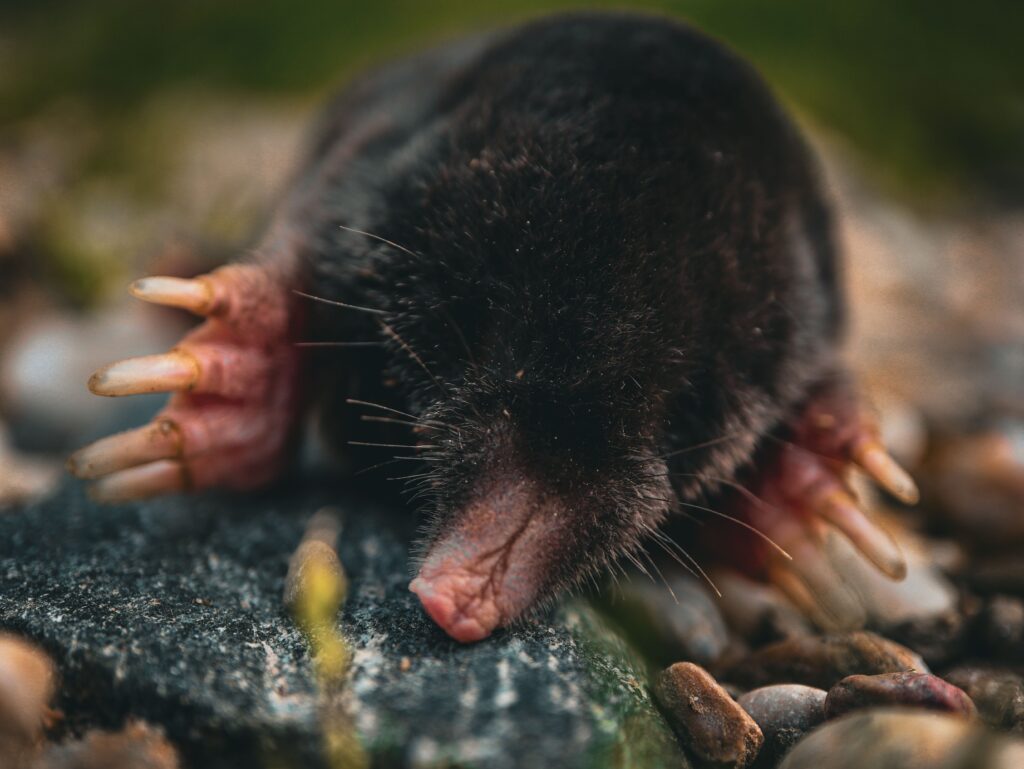
Unlike other species, the spider mole is characterized by its long and slender snout. It has fewer teeth than other moles, making it different from any other genus in the Moleidae family. It is recognized as a new species because it has fewer teeth than other species in the mole family. Furthermore, the Senka Kumogra is an unusual species that prefers to live in tropical areas where moles do not like.
- Physical Characteristics
Body Length: Approximately 10-15cm
Weight: Approximately 30-50g
Fur Color: Dark black-brown to gray-brown, with soft, short fur
Limbs:
Forelegs are broad and have sharp claws suitable for digging.
Hinlegs are short and are used to push excavated soil.
Tail: Very short
Eyes and Ears:
Eyes are very small and have almost no vision.
Ears are also small and have sensitive hearing, but their hearing is not noticeable.
- Behavior and Personality
Mainly underground (spends most of its time underground).
Highly cautious.
Sensitive to predators and vibrations.
Highly solitary.
Tunnels are generally dug alone, rarely coming into contact with other individuals.
- Diet
Completely carnivorous
Eats mainly earthworms, insects, larvae, and small invertebrates
Feeding Method
Uses its snout and front legs to dig through underground tunnels to find food.
Activity Pattern
Both nocturnal and diurnal, active when food is abundant.
- Ecological Characteristics
Live in underground tunnels
Digs underground burrows and feeding tunnels.
Moves, rests, and feeds in tunnels.
Senses
Has poor eyesight, but has a well-developed sense of touch and smell.
What does the ecology look like?
The spider mole is omnivorous, subsisting on insects and myriapods. The reproductive form is viviparous. There are many mysteries about their ecology, and because they are never seen outdoors, research has not progressed very well. The maximum lifespan is probably 2 to 3 years.
- Living Environment
Mainly underground life
Digs tunnels and moves, rests, and feeds underground.
Rarely seen above ground.
Habitat
Forests, grasslands, and moist soil in Honshu, Shikoku, and Kyushu.
Prefers soft soil with a lot of deciduous leaves.
- Diet
Completely carnivorous
Preys on earthworms, insects, larvae, and small invertebrates.
Foraging Behavior
Digs the soil with its front legs and searches for food with its snout.
Their senses of smell and touch are well-developed to efficiently find food underground.
- Behavior
Solitary life underground.
Generally uses tunnels alone and has its own territory.
Activity Period
Highly nocturnal, but may be active during the day when food is abundant.
Defense/Vigilance
Sensitive to predators and vibrations, they will hide in deep tunnels if they sense danger.
- Breeding and Rearing
Breeding Season: Spring–Summer
Gestation Period: Approximately 25–30 days
Litter Size: Approximately 2–5 pups per litter
Burrows
They build underground nests out of soft leaves and soil.
The young are furry and can move independently while under the mother’s protection.
Are there any natural enemies?
The spider mole probably has no natural enemies.
Regarding Vocalizations
There are almost no detailed records concerning the vocalizations of the Senkaku mole (a mole species endemic to the Senkaku Islands).
This is because the Senkaku mole is extremely rare; very few specimens have been confirmed to date, and there has been virtually no long-term observation of the animal in the wild.
However, moles in general are known to produce the following types of sounds:
High-frequency ultrasonic sounds
These are believed to be used for communicating with other moles underground.
Some species utilize frequencies that are difficult for the human ear to detect.
Short “chip” or “kik” sounds
These may be produced when the animal is captured or subjected to a stimulus.
Snorting and digging sounds
Sounds made as the mole pushes aside soil with its snout, or heavy breathing during displays of aggression, have been observed.
In closely related mole species,
“Kyu-kyu”
“Chi-chi-chi”
…and similar short vocalizations have been reported; however, there are currently virtually no recordings or analyses of vocalizations specific to the Senkaku mole.
Seasonal Activity
Details regarding the seasonal activity patterns of the Senkaku mole remain unclear due to an extreme scarcity of field observations. However, based on the ecology of moles in general and the environment of Uotsuri-shima, the following activity rhythms are hypothesized:
Characteristics of Seasonal Activity (Inferred): Spring (March–May): A period of increased activity. Rising temperatures likely lead to an increase in soil-dwelling prey such as insects and earthworms, potentially resulting in heightened foraging. This may also mark the beginning of the breeding season. Summer (June–August): Likely involves utilizing cooler, deeper underground areas to avoid the heat. There is a possibility of movement closer to the surface during the night or early morning. Autumn (September–November): Likely involves increased foraging in preparation for winter. However, given the mild climate of Uotsuri-shima, they probably do not engage in the distinct winter preparations seen in moles on Honshu. Winter (December–February): Unlikely to hibernate. Due to the warm subtropical environment, they likely remain active underground throughout the year.
Daily Activity Rhythm (Inferred)
As the Senkaku mole is a subterranean animal, its activity patterns differ somewhat from the “diurnal” or “nocturnal” behaviors seen in surface-dwelling animals.
They are believed to lead a lifestyle characterized by:
Constantly moving through underground tunnels
Repeatedly engaging in short bursts of activity to forage for food
Adjusting their depth based on temperature, humidity, and soil conditions
Regarding Walking Speed
There is almost no directly measured data regarding the walking speed (locomotion speed) of the Senkaku mole. This is because its habitat is limited to Uotsuri-jima Island, making continuous observation in the wild difficult.
However, based on the capabilities of closely related mole species, the speed is estimated to fall within the following ranges:
Estimated Locomotion Speed
Condition / Speed (Estimated)
Normal underground movement: Approx. several cm to 10 cm/sec
Rushing while foraging: Approx. 10 to 20 cm/sec
Moving on the ground surface: Approx. 1 to 2 m/min
Note: These figures are estimates based on data from the Talpidae (mole) family, not measurements specific to the Senkaku mole.
Why can’t it run fast?
The Senkaku mole is not an animal designed for running; it is an animal adapted for pushing its way through the soil.
About Senkaku mole juveniles
This article provides detailed information about Senkaku mole (Urotrichus talpoides) juveniles.
- Birth and Early Characteristics
Birthing Season: Spring to Summer (Varies by Region and Climate)
Litter Size: Approximately 2-5 Pups per Litter
Weight and Length: Approximately 5-10g at birth, approximately 3-5cm in length
Appearance:
Very short and soft fur, but thin fur grows at birth.
Eyes are closed (open within a few days to a week).
Ears are still small and not very noticeable externally.
- Behavior and Lifestyle
Protected by their mother in a burrow
Raised in an underground burrow made of fallen leaves and soil.
Dependent on their mother
Dependent on nursing for the first few days after birth
As their mother moves away, they gradually begin to practice foraging in tunnels outside.
Early Feeding
Around 2 weeks of age, they gradually begin to practice eating earthworms and insects.
- Developmental Process
Postnatal Period: Characteristics and Behaviors: Immediately after birth, their eyes are closed and they nurse in the burrow. Their fur is thin and short. At 1-2 weeks, their eyes open and they begin moving around the burrow. At 2-3 weeks, they begin practicing foraging. They move around the tunnel with their mother. They leave the burrow and become independent after about 1 month. At around 2 months, they begin to resemble adults in terms of lifestyle.
- Defense and Vigilance
Young pups hide in the burrow to protect themselves from predators.
If the mother senses danger, she will evacuate them to a deeper burrow or another tunnel.
Is the Japanese spider mole an endangered species?
The Japanese spider mole is classified as endangered on the Okinawa Prefecture Red List and is in danger of extinction. In 2010, the “Senka Kumogra Protection Association” was established. This group is conducting research on the species, including its ecology. Since it is originally a rare species and the number of individuals is small, there is still a need to understand it.
- Conservation Status
IUCN (International Union for Conservation of Nature) Red List
Rating: Least Concern (LC)
Reason: Widely distributed across Honshu, Shikoku, and Kyushu, with a relatively stable population.
Status in Japan
Inhabits a wide range of suitable environments, including mountains, forests, and moist soil.
Not subject to special legal protection.
- Reasons for Stability
Highly Adaptable
Can inhabit a variety of terrains, including forests, grasslands, and wetlands.
Subterranean Life
Because they live underground, they are less susceptible to predators and environmental changes.
Reproductive Ability
Breeds in spring and summer, giving birth to 2-5 young at a time.
- Caution
Localized declines may occur due to deforestation, residential development, and agricultural land conversion.
Drying and hardening of soil can limit their habitat.
Can a spider mole be kept as a pet?
The Japanese spider mole is designated as an endangered species, so it is impossible for the general public to keep it in captivity. We recommend that you actually go to the Senkaku Islands and observe them.
- Legal Issues
Capturing and raising wild specimens in Japan may be restricted by the Wildlife Protection Act and local ordinances.
Capturing and raising them without permission may be illegal.
Zoos and research institutions may keep them with special permission, but they are generally prohibited from being kept in ordinary homes.
- Difficulties in Raising Them
Subterranean Species
They live by digging tunnels underground, so their environment cannot be recreated in a breeding cage.
They are highly cautious.
They are not friendly with people and are easily stressed.
They may become aggressive if picked up or handled.
Their diet is unique.
They mainly feed on underground prey such as earthworms and insects.
Nutrition management at home is extremely difficult.
- Difficulty in Recreating Their Living Environment
Soft soil and underground tunnels are required for breeding.
Humidity and temperature control are also important, making it difficult to perfectly recreate their natural environment.
Zoos Keeping the Species (Japan and Worldwide)
Conclusion: Currently, there are no zoos—either in Japan or elsewhere in the world—that keep or exhibit the Senkaku mole (Nesoscaptor uchidai).
Why is it not kept in captivity?
The Senkaku mole is considered even more difficult to keep in captivity than ordinary moles.
Reason 1: Extremely limited population and data on individuals
Very few specimens have ever been discovered.
Information regarding its ecology in the wild is scarce.
Reason 2: Strong reliance on a subterranean lifestyle
It requires an underground tunnel environment.
Soil conditions, humidity, and temperature control are critical.
It may be highly susceptible to stress.
Reason 3: Conservation issues
It is a highly unique endemic species believed to inhabit only Uotsuri-jima Island.
Capture and transport—even for research purposes—are handled with extreme caution.
Introducing other animals



コメント