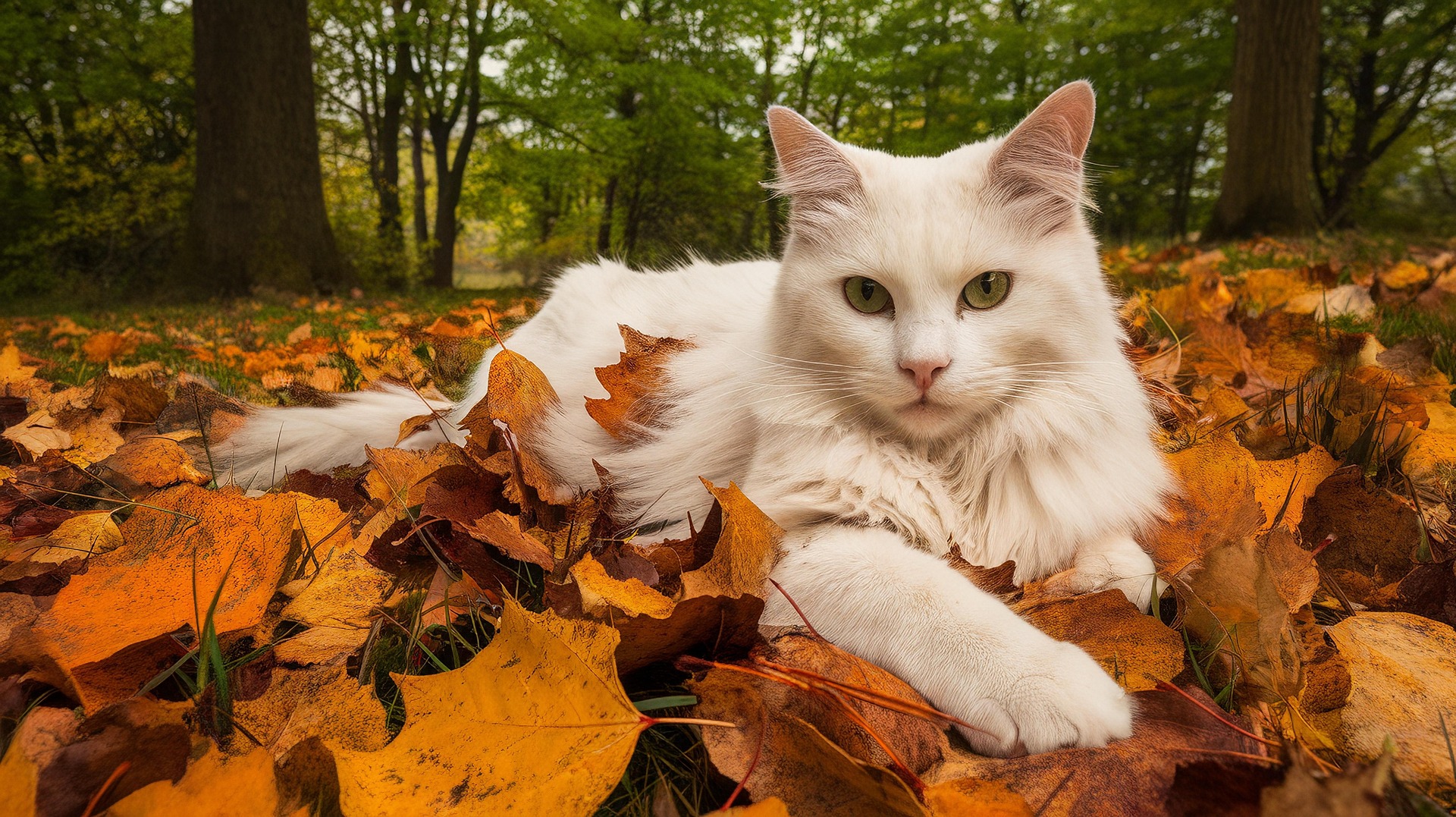
What kind of animal is a gray cat? We will explain its characteristics, ecology, and habitat. It is said to be the most mysterious wild cat in the world. There is very little information about this cat’s ecology and characteristics, and there is little progress in research, so I would like to introduce this cat.









- What is a gray cat? About basic status
- What are the roots and origins of the Chinese Mountain Cat?
- About habitat
- feature is? What kind of creature is it?
- What is the ecology like?
- Vocalizations
- Seasonal Activities
- Walking Speed
- About Gray Cat Pups
- Are gray cats an endangered species?
- Can gray cats be kept?
- Zoos Housing the Species (Japan & Worldwide)
- Introducing other animals
What is a gray cat? About basic status
Gray cats are members of the Carnivora order, the Felidae family, and the Felidae genus. In terms of appearance, it is called Desert Cat, Desert Cat, Chukoku Mountain Cat, and Grass Whip. The scientific name is Felis bieti. The body length is 68.5-84cm and the weight is 4.5-9kg. The confirmed information is listed below. We will also confirm and post any updated information or results from research, etc.
| Japanese(和名) | ハイイロネコ |
| English(英名) | Chinese Mountain Cat |
| scientific name(学名) | Felis bieti |
| classification(分類) | Mammalia、 Carnivora、 Felidae、Felis 哺乳綱、食肉目、イヌ科、ネコ属 |
| IUCN Status(保全状況) | VULNERABLE |
| Length(体長) | 68.5-84cm |
| Weight(体重) | 4.5-9kg |
What are the roots and origins of the Chinese Mountain Cat?
Origins
The Chinese Mountain Cat is a wild cat native to the highland regions of western China; it is believed to have diverged from a common ancestor shared with other wild cat species approximately 1.7 to 3 million years ago.
Although it was once considered a distinct species, recent DNA research has revealed it to be a close relative belonging to the same genus—Felis—as the African wildcat (Felis lybica) and the European wildcat (Felis silvestris).
Evolutionary Roots
Its evolutionary lineage is roughly as follows:
Felidae
│
▼
Felis (Genus)
│
├─ African wildcat
│ └─ Domestic cat
│
├─ European wildcat
│
├─ Jungle cat
│
├─ Black-footed cat
│
├─ Sand cat
│
└─ Chinese Mountain Cat
Why is it found only in China?
It is believed that the Chinese Mountain Cat became isolated in the area surrounding the Qinghai-Tibet Plateau during the cycle of glacial and interglacial periods that began approximately 2.5 million years ago; it subsequently adapted to the high-altitude environment and underwent a unique evolutionary process.
Consequently, its distribution remains extremely limited today,
Qinghai Province
Gansu Province
Northwestern Sichuan Province
Eastern Tibet Autonomous Region
…being largely confined to grasslands and shrublands at elevations between 2,500 and 5,000 meters.
Adaptation to High Altitudes
Over the course of its long evolution, it adapted to the cold highland environment.
Its characteristics include:
Thick, long, grayish-yellow fur
A thick, bushy tail
Rounded ears (with short tufts at the tips)
A dense undercoat to withstand the severe cold of winter
Its primary prey consists of:
Pikas
Voles
Moles
Small birds
About classification
There are many mysteries about gray cats, and there are many things we don’t understand. It is said that it may be related to the European wildcat.
Family/Genus/Species
| 分類階級 | 名称 |
|---|---|
| 界 | 動物界 (Animalia) |
| 門 | 脊索動物門 (Chordata) |
| 綱 | 哺乳綱 (Mammalia) |
| 目 | 食肉目 (Carnivora) |
| 科 | ネコ科 (Felidae) |
| 属 | ネコ属 (Felis) |
| 種 | ハイイロネコ (Felis lybica) |
| 亜種 | アフリカハイイロネコ (Felis lybica lybica) など |
About habitat
Gray cats can only be found in China’s Tibet Autonomous Region, Qinghai, and Sichuan provinces.
- Geographic Distribution
Mainly in the African continent
North Africa (Morocco, Egypt, etc.)
Sub-Saharan savanna
East Africa (Kenya, Ethiopia, etc.)
Middle East
Some areas, including Israel, Lebanon, and Jordan
- Environment and Habitat
Arid to semi-arid areas: grasslands, savannas, and rocky areas
Less forested areas: Prefers open areas with few trees
Able to live near humans: Domestication began in agricultural areas and around ancient cities
- Distinctive Habitat Pattern
Nocturnal, hiding in the shade of rocks or in grass during the day
Hunting small mammals and birds, they focus on areas with abundant food
Primarily solitary, with territorial boundaries
feature is? What kind of creature is it?
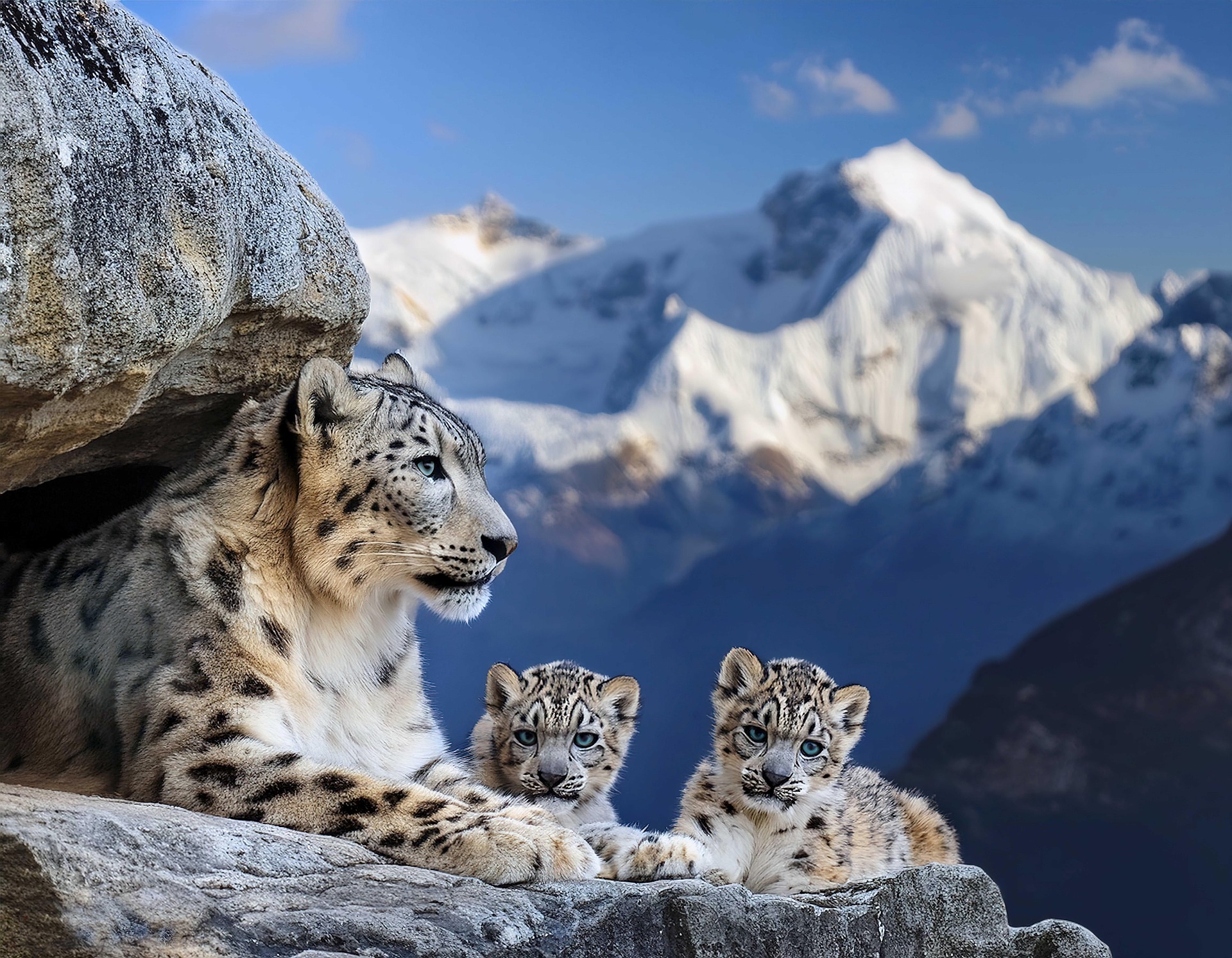
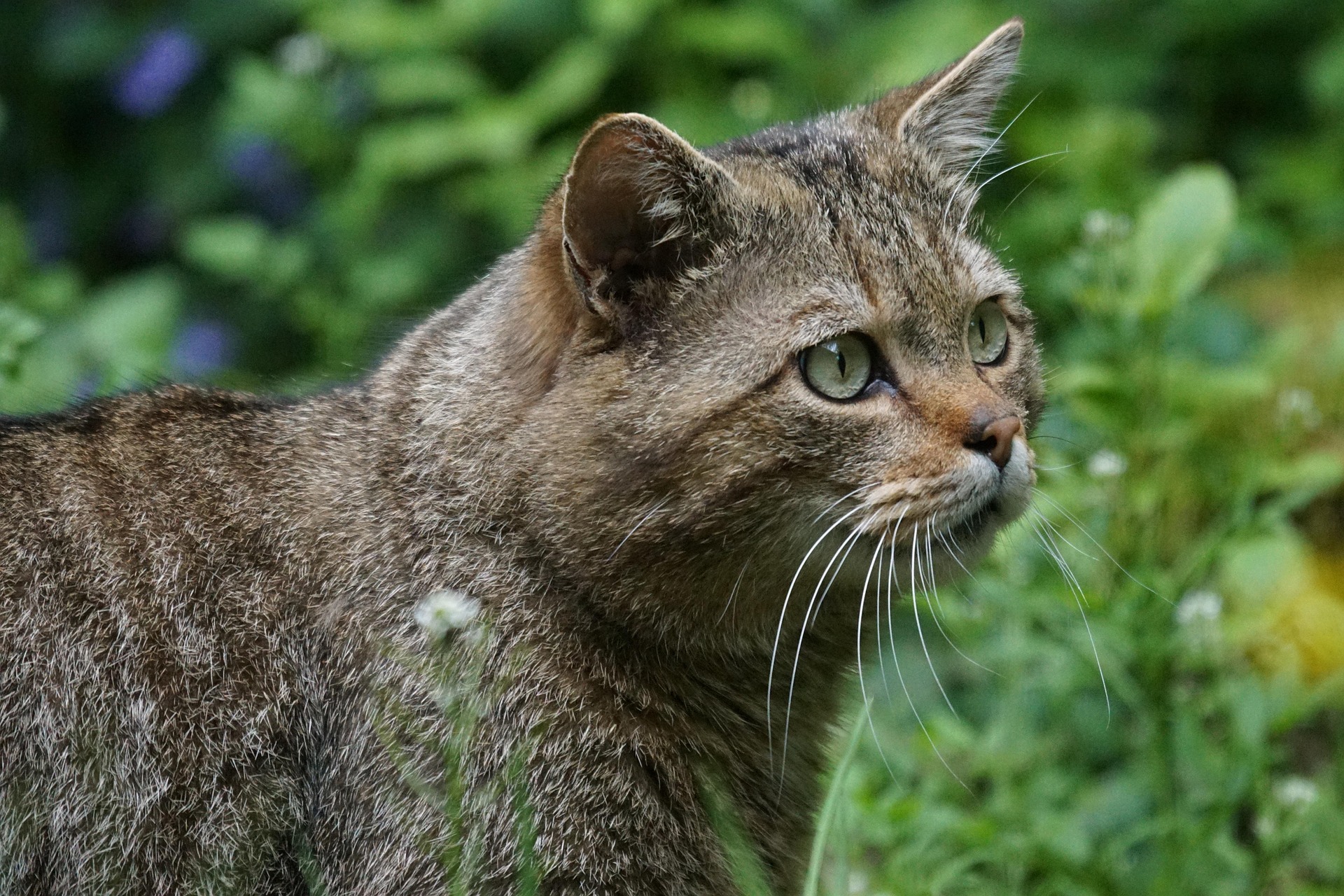
It is said that the gray cat is very similar to the European wildcat. It is said to be a highly adaptable cat, as it can live at an altitude of 3000m and is distributed in forests and shrublands. The fur is sandy colored with white underparts and black rings on the legs and tail.
- Physical Characteristics
Body Size:
Body Length: Approximately 40-60 cm
Tail Length: Approximately 25-35 cm
Weight: Approximately 2.5-5 kg
Coat Color: Generally gray to tan, with some individuals having stripes or spots
Face/Ears:
Round face and large eyes
Pointed ears give the impression of being highly alert
Limbs:
Slender and flexible, with sharp claws suited to hunting
- Ecology/Behavior
Nocturnal, resting in grass or in the shade of rocks during the day
Solitary and territorial
Excellent hunting ability, preying on small mammals and birds
Can also climb trees
- Personality/Intelligence
Highly alert
Curious and eager to hunt and explore
Compared to domestic cats, they are less tame and have a wild personality
- Relationship with Domestic Cats
Modern Domestic Cats (Felis catus) ancestor
Its behavior and body shape are similar to those of domestic cats, and domestication has increased the diversity of its personality and coat color.
What is the ecology like?
Gray cats live on mice and birds. Breeds from January to March. The female gives birth to two to four kittens in a secluded burrow. There are still many mysteries and not enough research. The first photo in the wild was taken in 2007. Additionally, in 2015, one individual was observed and photographed in the Luolgai Grassland. From the fall of 2018 to the spring of 2019, it was recorded in alpine grasslands in the southeastern part of the Sanjiangyuan region.
- Activity Pattern
Nocturnal: Active primarily at night, resting in grass or under rocks during the day.
Solitary: Spends most of their time alone.
Territorial: Both males and females have territories and indicate their presence by marking and leaving traces.
- Diet
Carnivorous with a tendency to be omnivorous.
Preys primarily on small mammals (rodents), birds, insects, and reptiles.
May also eat plants and fruit if food is scarce.
- Breeding and Rearing
Breeding Season: Mainly spring to summer.
Gestation Period: Approximately 2 months.
Birthing: Gives birth to 2-4 pups at a time.
Rearing: The mother cat nurses and protects the pups for 1-2 months, after which they gradually become independent while learning hunting techniques from their mother.
- Habitat
Living primarily in savannas and rocky areas in arid to semi-arid regions.
Prefers open areas rather than forested areas.
Can live near human settlements and farmland, which laid the foundation for the domestication of the domestic cat.
- Behavior/Intelligence
High hunting ability, agility, and speed
Highly alert and able to sense danger
Highly educated, able to memorize the location of food and danger

Vocalizations
Detailed records regarding the vocalizations of the Chinese mountain cat (Felis bieti) are limited due to the scarcity of observations in the wild. However, based on observations of closely related wild cat species and individuals in captivity, the following vocalizations are known to occur:
- “Meow”
Rarely used between adult cats.
Believed to be used for communication between mothers and kittens or during close-range interactions.
The sound is shorter and lower in pitch than that of the domestic cat.
- “Growl”
A low-pitched growling sound.
Produced during territorial disputes or acts of intimidation.
Used as a warning to other males or potential predators.
- “Hiss”
A sound indicating strong intimidation.
Produced by opening the mouth and forcefully expelling air when encountering an enemy or when cornered.
Very similar to the hiss of a domestic cat.
- “Gya-o” / “A-oon”
Believed to be prolonged calls made by males and females to locate one another during the breeding season (primarily January to March).
Resembles the vocalizations of domestic cats in heat, though the pitch is slightly lower.
- Kitten vocalizations
Kittens call out to their mothers with high-pitched sounds such as “mew” or “peep-peep.”
Newborn kittens produce sounds very similar to those of domestic cat kittens.
Seasonal Activities
The Chinese mountain cat (Felis bieti) is a rare wild cat inhabiting the Qinghai-Tibet Plateau in western China. Adapted to cold environments at altitudes of 2,500 to 5,000 meters, its activities and diet shift with the seasons.
| Season | Main Activities | Activity Level |
|---|---|---|
| Spring (Mar–May) | Breeding & territorial behavior | ★★★★★ |
| Summer (Jun–Aug) | Raising young & hunting | ★★★★☆ |
| Autumn (Sep–Nov) | Preparing for winter & foraging | ★★★★☆ |
| Winter (Dec–Feb) | Hunting while conserving energy | ★★★☆☆ |
🌸 Spring (March–May)
Breeding Season
This is the season of peak activity.
Mating occurs around January to March, followed by pregnancy and birth in the spring.
Males roam over wider areas than usual in search of females.
Territorial disputes increase, and scent-marking behavior becomes frequent.
Main Prey
Pikas
Voles
Moles
Small birds
As the snow melts and small mammals become active, hunting becomes easier.
☀️ Summer (June–August)
Rearing Season
Kittens emerge from the den and begin following their mother.
Mothers hunt frequently and teach their kittens how to hunt.
Activity Times
Since the plateau becomes warm during the day,
Night
Dawn
Dusk
…are the times when they are most active.
🍂 Autumn (September–November)
Preparing for Winter
Chinese mountain cats do not hibernate.
Therefore, in autumn, they exhibit behaviors to prepare for the cold, such as:
Accumulating body fat
Growing a thicker winter coat
Slightly increasing hunting frequency
Main Prey
Pikas
Voles
Small birds
Autumn is also the time when young cats become independent and begin searching for new territories.
❄️ Winter (December–February)
Hunting Amidst the Snow
Pallas’s cats do not hibernate and remain active year-round.
Even on frigid highlands,
dense winter fur,
a thick layer of subcutaneous fat,
and fur-covered paw pads
help them maintain their body temperature.
Hunting
They are believed to hunt by
detecting the sounds of small animals moving beneath the snow,
leaping into the snow,
or lying in ambush behind rocks.
Walking Speed
There is very little detailed data on the walking or running speeds of the Chinese mountain cat (Felis bieti) in the wild. Therefore, the figures below are estimates based on comparisons with closely related species (such as the European wildcat and the African wildcat).
Estimated Behavioral Speeds
Slow walk: Approx. 2–4 km/h
Normal walk: Approx. 4–6 km/h
Stealthy approach (stalking prey): Approx. 1 km/h or less
Short-distance sprint: Approx. 40–48 km/h (estimated)
Normal Walking
The Chinese mountain cat excels at hunting methods that involve ambushing prey or slowly stalking them.
During normal movement, it is believed to walk at speeds of around 4–6 km/h.
When approaching prey, it may lower its body and move with a very slow, stealthy gait at speeds of 1 km/h or less.
Running Speed
It accelerates rapidly when sensing danger or pursuing prey.
Its top speed is estimated to be around 40–48 km/h.
However, it can only maintain this speed over short distances—ranging from a few tens of meters to about 100 meters.
The Chinese mountain cat is a predator that captures prey through brief bursts of rapid acceleration rather than by chasing them over long distances.
About Gray Cat Pups
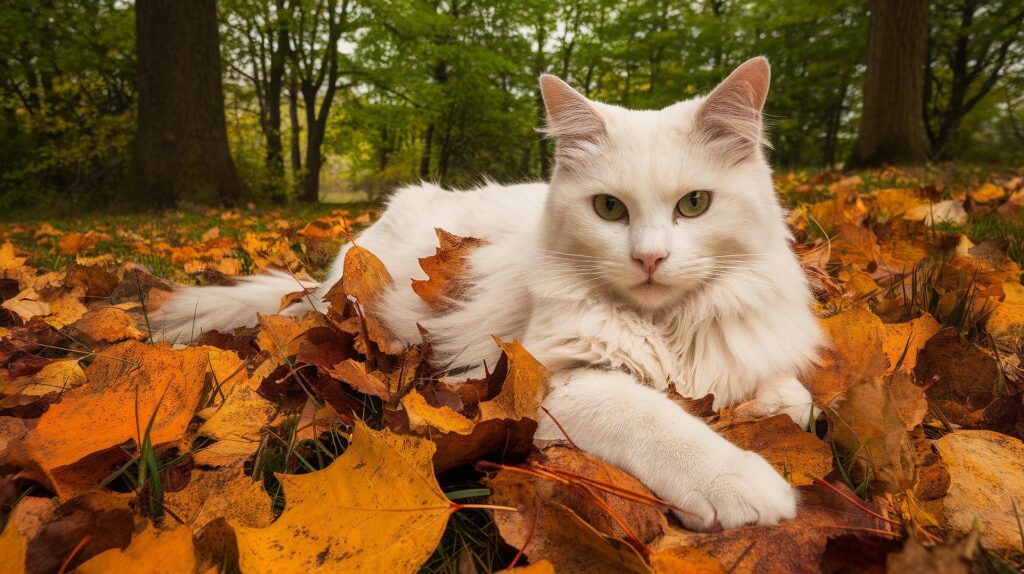
This article provides information about gray cat (Felis lybica) pups (kittens).
- Birth
Season: Mainly spring to summer
Location: Mother cat gives birth in a safe burrow (behind a rock or in a patch of grass)
Weight and Size: Newborns are very small, weighing approximately 50-100g
Fur Color: Gray to tan, with some individuals having noticeable stripes or spots
- Growth
They are raised on their mother’s milk (primarily nursing for approximately 4-6 weeks after birth)
Their eyes open around one week after birth
They begin walking within a few weeks and learning the basics of hunting
They begin eating solid foods around two months after birth
- Behavior
They learn by playing safely with their mother
They acquire hunting instincts and exploration skills through play
At one to two months of age, they gradually leave the burrow and become accustomed to their new environment
- Independence
Time until independence: They spend approximately four to six months with their mother
During this time, they learn to hunt and avoid danger
Once independent, they are primarily independent
- Characteristics/Personality
Curious and playful
Very wary in the wild, they are dangerous without their mother nearby
Agile and have a strong hunting instinct, which they develop through play
Are gray cats an endangered species?
It is estimated that the number of gray cats in existence is extremely small, and they are designated as an endangered species. Until 2007, only six individuals of the Chinese wildcat were known, and the number is expected to be extremely low. It is also said that it is difficult to secure food because the number of pikas they feed on is decreasing. Although it is a small species endemic to China, China itself has its own problems and conservation projects have not progressed much.
- International Status
The International Union for Conservation of Nature (IUCN) Red List cats are classified as “Least Concern” (LC).
Globally, populations are considered relatively stable.
- Regional Differences
North Africa and sub-Saharan savannas: Populations are stable.
Parts of the Middle East and areas surrounding agricultural areas: Populations are declining in some areas due to habitat destruction, pesticides, and competition with livestock.
In particular, populations tend to decline locally in areas with advanced urbanization and human activity.
- Conservation Status
While gray cats themselves are not generally protected, they are sometimes indirectly protected in nature reserves and national parks.
Overhunting and smuggling of wild individuals are restricted in some areas.
Can gray cats be kept?
Can gray cats be kept? Unfortunately, it is extremely difficult to obtain as it is designated as an endangered species and there are only a few of them in the first place. It will be tough because it’s a rare cat that can’t even be seen in zoos.
- Legal Status
In many countries, gray cats are regulated as wild animals or protected species.
Although they are not designated as “special animals” in Japan, capturing or importing them requires a license.
Keeping them without a license may be illegal.
- Difficulty of Keeping
Highly wary and not easily tame.
They have a strong wild instinct and can become aggressive when stressed.
Because of their strong hunting instinct, they may attack small animals or poultry.
Feeding and environment management are extremely difficult.
They require a balanced diet of small mammals, birds, and insects.
They require natural-looking exercise and play areas.
- Actual Breeding Examples
Mainly kept in zoos and research facilities.
For wild conservation and research purposes.
Managed by specialized staff.
Keeping them privately is extremely difficult and dangerous.
Zoos Housing the Species (Japan & Worldwide)
The Chinese mountain cat (Felis bieti) is one of the rarest wild cats in the world, and very few facilities keep them in captivity. Unlike domestic cats or other wild cat species, they are not commonly exhibited in zoos around the globe.
Japan
Currently, there are no zoos in Japan that keep or exhibit the Chinese mountain cat.
While species such as sand cats, Pallas’s cats, and European wildcats have been kept in Japan, there is no record of the Chinese mountain cat ever having been introduced to the country.
China
Xining Wildlife Park
One of the few facilities in the world dedicated to the care and study of the Chinese mountain cat.
Located in Xining City, Qinghai Province, China.
Conducts treatment, rehabilitation, and breeding research on individuals rescued from the wild.
As the zoo closest to the species’ natural habitat, it plays a central role in conservation research.
The facility accepts individuals rescued after traffic accidents or injuries and works to return them to the wild once they have recovered.
Introducing other animals



コメント