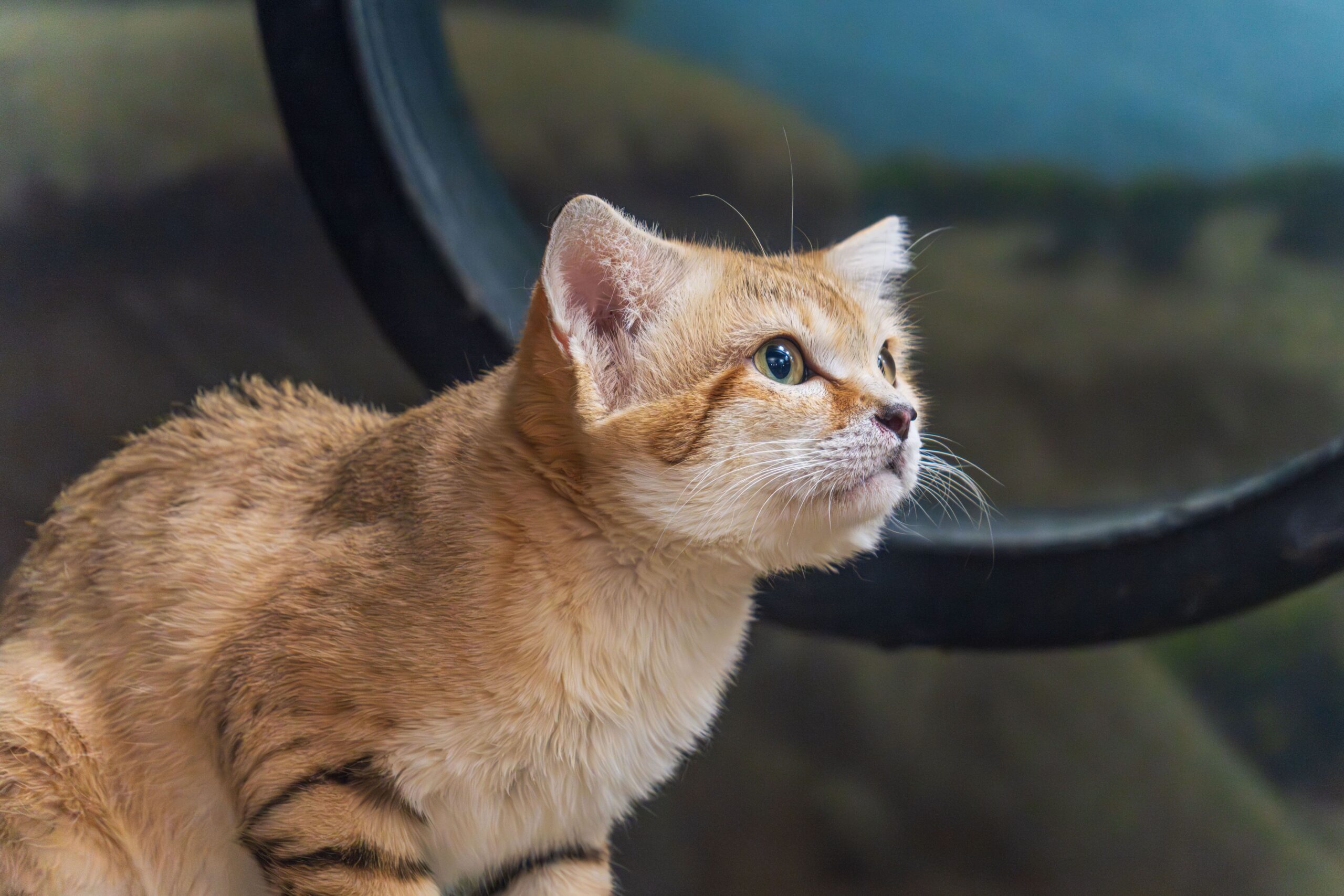
We will explain the characteristics, ecology, and habitat of fishing cats. This cat is an extremely rare animal that can fish. It can be seen widely in Southeast Asia, as it is distributed in Sri Lanka, India, Indochina, the Malay Peninsula, and Sumatra. It looks like a domestic cat, but it’s bigger.









- What is a fishing cat? About basic status
- What are the roots and origins of the fishing cat?
- About fishing cat habitat
- feature is? What kind of creature is it?
- What will your personality look like?
- What is the ecology of fishing cats?
- Fishing Cat Vocalizations
- Seasonal Activities
- Walking Speed
- About Fishing Cat Babies
- Is the fishing cat an endangered species?
- Is it possible to keep fishing cats?
- Zoos Housing the Species (Japan & Worldwide)
- Introducing other animals
What is a fishing cat? About basic status
Fishing cats belong to the mammalian order Carnivora and the family Felidae. The scientific name is Prionailurus viverrinus. The body length is 57-86cm and the weight is 5.5-8.0kg. They tend to live mostly in the eastern and southeastern regions of Asia. Fishing Cat means “fishing” cat.
| Japanese(和名) | スナドリネコ |
| English(英名) | Fishing cat |
| scientific name(学名) | Prionailurus viverrinus |
| classification(分類) | Mammalia、 Carnivora、Felidae、Prionailurus 哺乳綱、食肉目、ネコ科、ベンガルヤマネコ属 |
| IUCN Status(保全状況) | VULNERABLE |
| Length(体長) | 57-86cm |
| Weight(体重) | 5.5-8.0kg |
What are the roots and origins of the fishing cat?
The fishing cat (scientific name: Prionailurus viverrinus) is a type of wild cat that evolved in Asia. Current research suggests it is one of the few species within the evolutionary history of the Felidae family to have adapted to specialized environments such as wetlands and riverbanks.
Origins
Between approximately 10 and 11 million years ago, the ancestors of modern felines underwent rapid diversification in Asia. Subsequently, the genus Prionailurus—to which the fishing cat belongs—emerged.
This genus includes the following closely related species:
Leopard cat (Prionailurus bengalensis)
Rusty-spotted cat (Prionailurus rubiginosus)
Flat-headed cat (Prionailurus planiceps)
Fishing cat (Prionailurus viverrinus)
DNA analysis indicates that the fishing cat diverged from a common ancestor shared with the leopard cat millions of years ago.
Why did it become a cat that catches fish?
Although its ancestors were typical small, terrestrial cats, the species evolved to specialize in hunting near water while living in the wetlands, mangrove forests, and river systems of South and Southeast Asia.
As a result, it acquired the following characteristics:
Partial webbing between its toes
Water-repellent, double-layered fur
A sturdy, muscular body
A short, thick tail that aids in swimming
Sharp reflexes allowing it to quickly catch fish underwater
These are adaptations to a semi-aquatic lifestyle that are rarely seen in other cats.
Roots of its habitat
Its current distribution spans the following regions:
India
Sri Lanka
Bangladesh
Nepal
Pakistan
Myanmar
Thailand
Cambodia
Vietnam
Java (Indonesia)
It lives primarily in waterside environments, such as mangrove forests, marshes, lakes, and rivers. Origin of the Name
“Sunadori” is an old Japanese term meaning “to fish” or “to catch fish.”
In other words, the name Sunadorineko literally means “cat that catches fish.” It is known by the same name in English: the Fishing Cat.
What will be the classification?
In terms of the lineage of extant species of the cat family, it is the genus Bengal cat. The following subspecies exist in the Bengal wildcat genus: The Tsushima leopard cat and the Iriomote leopard cat are designated as endangered species.
| Name:名前 | academic name (学名) | Habit (生息地) |
| Tsushima leopard cat ツシマヤマネコ | Prionailurus bengalensis euptilurus | Tsushima, Japan 対馬 |
| Iriomote wild cat イリオモテヤマネコ | Prionailurus bengalensis iriomotensis | Iriomote, Japan 西表島 |
| Sunda leopard cat スンダヒョウネコ | Prionailurus javanensis | Java, Bali, Borneo, Sumatra、Indonesia ジャワ島、バリ島、ボルネオ島、スマトラ島 |
| Flat-headed cat マレーヤマネコ | Prionailurus planiceps | Indonesia, Thailand, Brunei, Malaysia インドネシア、タイ、ブルネイ、マレーシア |
| Rusty-spotted Cat サビイロネコ | Prionailurus rubiginosus | India インド |
| Fishing cat スナドリネコ | Prionailurus viverrinus | Indonesia, China, Thailand インドネシア、中国、タイ |
Fishing cat taxonomy
- 界 (Kingdom): Animalia(動物界)
- 門 (Phylum): Chordata(脊索動物門)
- 綱 (Class): Mammalia(哺乳綱)
- 目 (Order): Carnivora(食肉目)
- 科 (Family): Felidae(ネコ科)
- 属 (Genus): Prionailurus(プライオナイルルス属)
- 種 (Species): Prionailurus viverrinus(スナドリネコ)
About fishing cat habitat
Fishing cats live in China, the Indochina Peninsula, and India. Born mainly in South Asia. This cat is also shown and exhibited in photographic materials at aquariums and zoos.
Fishing Cat Habitat
Regional Distribution
South Asia: India, Sri Lanka, Bangladesh, Nepal
Southeast Asia: Thailand, Cambodia, Vietnam, Malaysia, Indonesia (Sumatra, Java)
Also found in isolated habitats on some islands
Habitat
Mainly found in wetlands, mangrove forests, and riverside areas
Prefers freshwater marshes, lakes, and rivers
Adapted to aquatic habitats, they are excellent swimmers and fish hunters
Relationship with Humans
Habitat is shrinking due to agricultural and urban development
Wetland destruction is a major threat
In some areas, they live in protected areas and national parks
feature is? What kind of creature is it?
The fishing cat is a cat that cannot retract its claws on its front legs. They are good swimmers and can be active both on land and in water. The coat color is usually greyish-brown, with whitish hair from the chin to the abdomen, and the hair is short and has slightly elongated black spots all over the body. It can also be found in lowland wetlands, swamps, near rivers, and in mountainous areas. They usually live alone and are mostly active at night.
- Physical Characteristics
Size: Medium-sized cat. Body length: Approximately 57-78cm, tail length: 20-35cm, weight: 5-16kg
Coat color: Yellowish-brown to grayish-brown coat with black spots or stripes
Face: Sturdy face, rounded ears, and a slightly larger head than small cats
Tail: Thick and short, helps with balance when swimming
- Ecological characteristics
Aquatic adaptations: Excellent swimmers, adept at catching fish in the water
Diet: Mainly fish, but also preys on frogs, small mammals, and birds
Activity: Nocturnal or crepuscular (active in the morning and evening)
Habitat: Closely associated with waterside areas such as rivers, lakes, marshes, and mangrove forests
- Behavioral characteristics
Hunting: Lie in wait near water and quickly capture fish and amphibians
Territory: Relatively solitary, with a strong sense of territory
Calls: Its vocalizations are similar to those of a cat, but it also produces low growls and hisses to intimidate.
- Conservation Status
IUCN Red List: Vulnerable
Threats: Habitat loss due to destruction of wetlands and rivers, poaching, agriculture, and urban development
What will your personality look like?
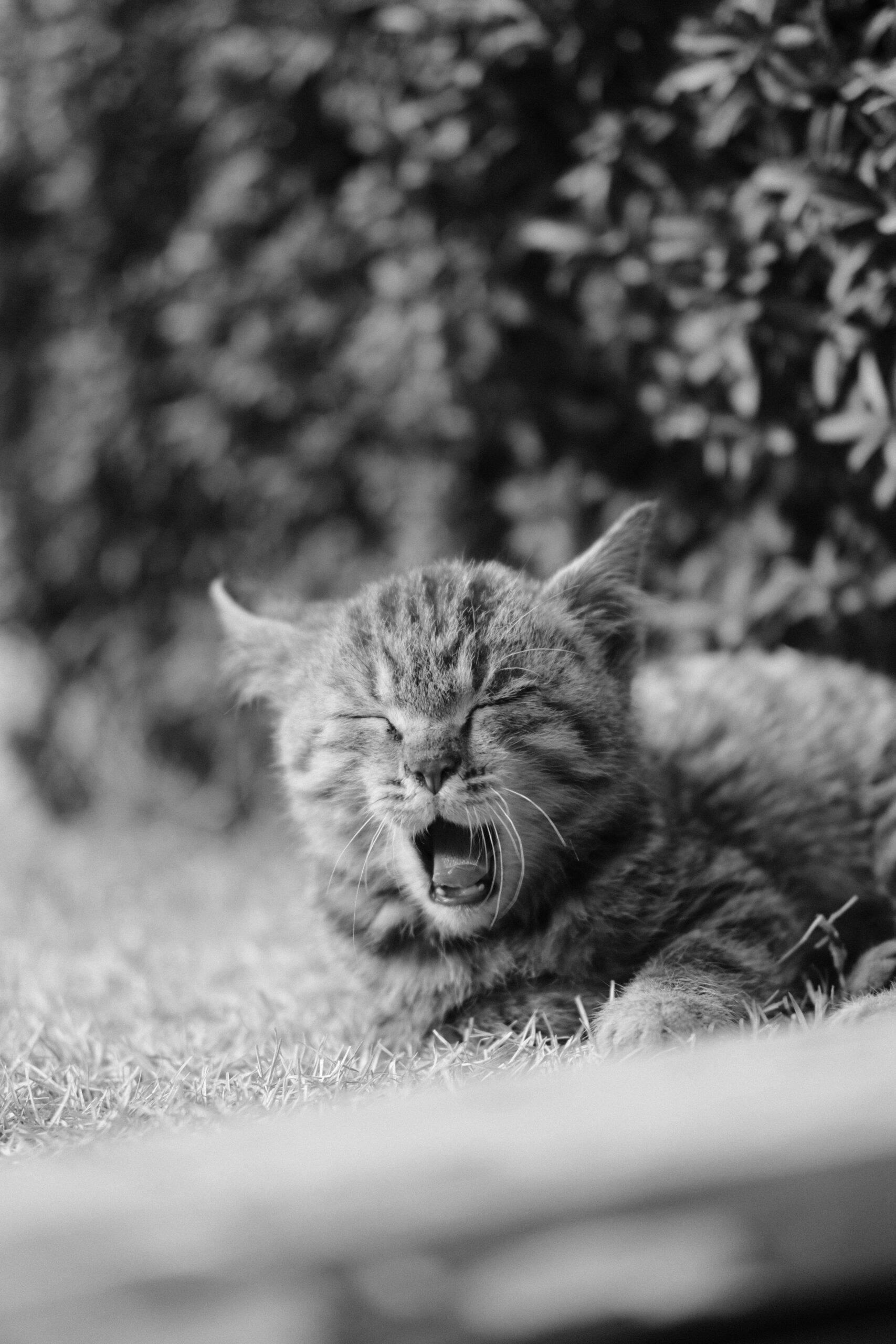
Fishing cats are ferocious and sometimes attack cows, sheep, and dogs. Therefore, there is a possibility that they may attack humans, so you need to be careful.
Fishing Cat Personality and Behavior
Highly cautious
They will immediately hide if they encounter a human or large animal
They prefer solitary behavior and are very territorial
Curious but cautious
They often observe their environment and the movements of their prey
They are patient and can quietly lie in wait when hunting near water
They are not aggressive but are defensive
They generally avoid conflict
They will hiss and growl and flee when they sense danger
They are highly independent
They live alone, not in groups
They have a wide range of activity near water and have their own hunting range
What is the ecology of fishing cats?
Fishing cats make a living by catching and eating frogs, crayfish, fish, shellfish, etc. Fishing cats probably mate between January and February, and the gestation period is about two months. Females give birth to two or three kittens. By the age of one month, kittens will be active and mobile. The lifespan is said to be up to 10 years.
- Habitat
Depends on aquatic environments such as rivers, lakes, marshes, and mangrove forests.
Can survive in urban areas and around agricultural land if the environment is watery.
Habitat fragmentation in some areas makes conservation efforts important.
- Diet
Main Food: Fish (specializes in hunting)
Other Food: Amphibians (frogs), crustaceans, small mammals, and birds.
Hunting Method: Quietly ambushes near water and quickly captures prey.
- Behavior
Nocturnal or Crepuscular: Active primarily in the evening and at night.
Good Swimmer: Capable of pursuing prey in the water.
Territory: Solitary and highly territorial.
- Reproduction
Estrous season is clearly defined, but varies depending on the region and environment.
Gestation period is approximately 63-70 days.
Gives 2-4 kittens per litter.
During their early life, they depend on their mother and learn to hunt and adapt to the water.
What are the natural enemies of fishing cats?
Fishing cats have no natural enemies. They are said to have quite violent personalities, so they are rarely attacked.
Fishing Cat Vocalizations
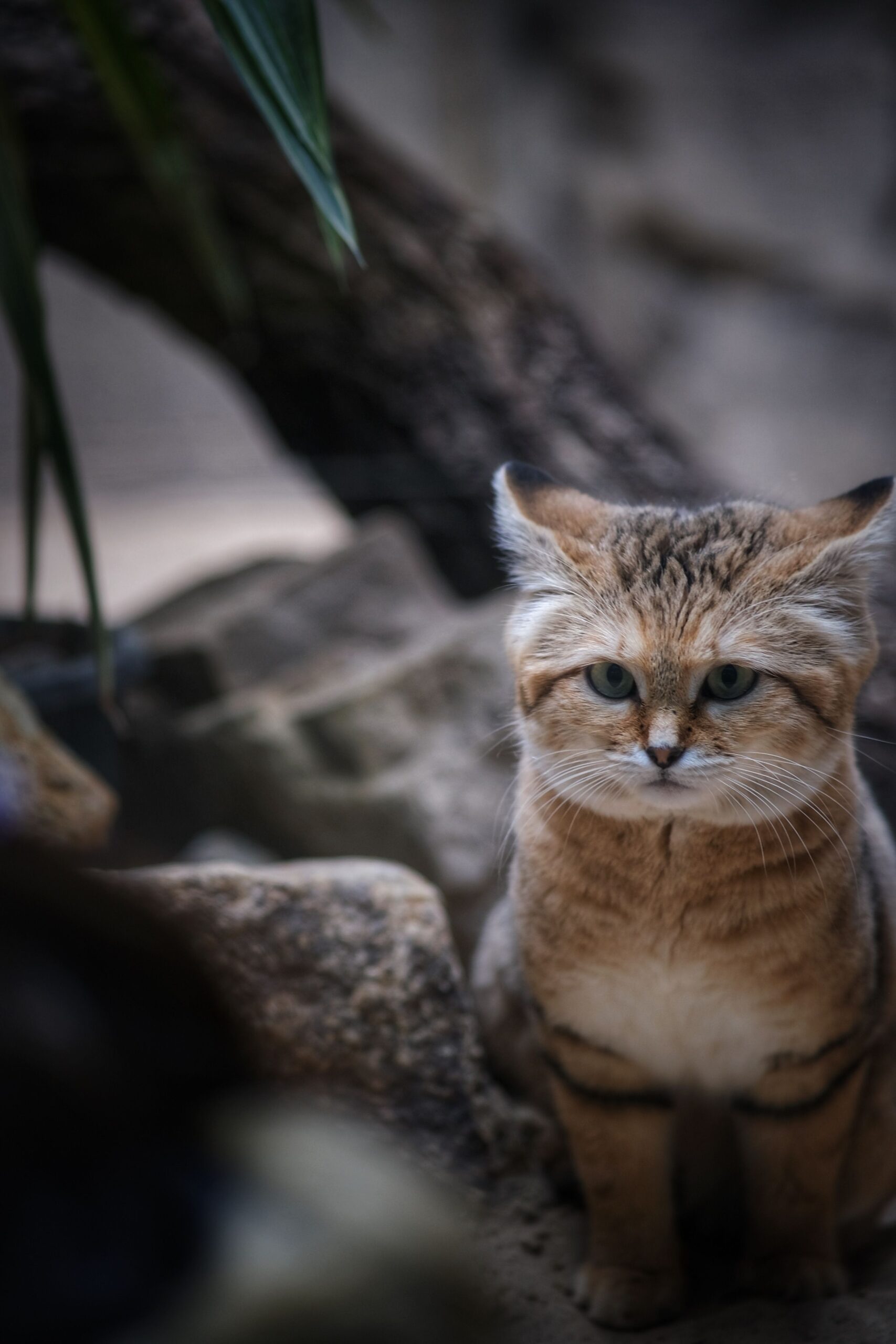
While the fishing cat (Prionailurus viverrinus) produces vocalizations similar to those of domestic cats, its larger physique often results in a deeper, more powerful voice. They employ a variety of calls depending on the situation.
Main Vocalizations
“Meow”
Used for communication between young and familiar individuals.
Resembles the domestic cat’s meow but is slightly lower in pitch.
“Purring”
Heard when the cat is relaxed or during interactions between mother and kitten.
They purr just like domestic cats.
“Hiss!”
A sound made for intimidation.
Produced by sharply exhaling while baring their teeth.
“Growl” / “Low-pitched growl”
A low growl emitted during territorial disputes or when on alert.
Serves as a warning to others to keep their distance.
“Roar” / “Howl”
Can occur during moments of excitement, the breeding season, or intense intimidation.
A loud, powerful call that is more imposing than that of a domestic cat.
Kitten Vocalizations
Kittens have high-pitched voices very similar to those of domestic cat kittens,
“Mewing” / “Peeping”
calling out to their mothers with sounds like “mee-mee” or “pee-pee.”
An Animal That Rarely Vocalizes
As fishing cats are essentially solitary animals, they do not call out to one another frequently like lions do. They generally move about quietly and make almost no noise when hunting prey—such as fish, frogs, or waterfowl—to avoid detection.
Seasonal Activities
The fishing cat (Prionailurus viverrinus) is an animal influenced more by the wet and dry seasons than by the four traditional seasons. Because their habitats in South and Southeast Asia have tropical or subtropical climates, their activity patterns shift in response to changes in water levels and prey availability, rather than the standard cycle of spring, summer, autumn, and winter.
Spring (approx. March–May)
Activity Characteristics
Activity increases as temperatures rise and prey—such as fish and frogs—becomes more abundant.
They hunt primarily at night in wetlands and along riverbanks.
Females raising young may hunt more frequently.
Main Prey
Fish
Frogs
Crabs
Small mammals
Summer (approx. June–August / Wet Season)
Activity Characteristics
Rain expands the wetlands, leading to an abundance of fish.
Opportunities to hunt while swimming in the water increase.
They rest in safe locations during heavy downpours and resume activity when the rain eases.
Key Features
The season with the most activity near the water
Swimming is frequently observed
Autumn (approx. September–November)
Activity Characteristics
As water levels begin to drop, fish tend to congregate in shallows and pools.
This is a time when they can catch fish efficiently.
Territorial patrols become more active.
Winter (approx. December–February / Dry Season)
Activity Characteristics
Water areas shrink, limiting available hunting grounds.
Due to cold nights, activity may be concentrated around sunset or dawn.
They spend more time resting in thickets or under the shade of trees during the day.
Daily Activity Pattern
Fishing cats tend to be crepuscular (active at dawn and dusk) to nocturnal, with peak activity during the following times:
🌅 Evening: Hunting begins
🌙 Night: Most active; catching fish and crabs
🌄 Dawn: Final hunting session
☀️ Daytime: Resting in thickets or under trees
However, in areas with little human activity, they may also be active in the early morning or during the day on overcast days.
Walking Speed
There are few studies that have measured the precise walking speed (km/h) of the fishing cat (Prionailurus viverrinus). However, approximate speeds have been estimated based on field observations and physical anatomy.
Walking Speed
Normal walking: Approx. 2–4 km/h
Stalking prey: Approx. 0.5–2 km/h
They move very slowly and silently to avoid making noise.
Trotting: Approx. 5–8 km/h
Burst Speed
It is believed that they can accelerate to approximately 40–48 km/h when fleeing from danger or pouncing on prey. However, they can only maintain this speed for very short distances.
Movement in Water
Fishing cats are known for being skilled swimmers.
Slow swimming speed: Approx. 2–3 km/h
Chasing prey: Approx. 4–6 km/h
When swimming, they paddle with their forelegs and use their tails for balance.
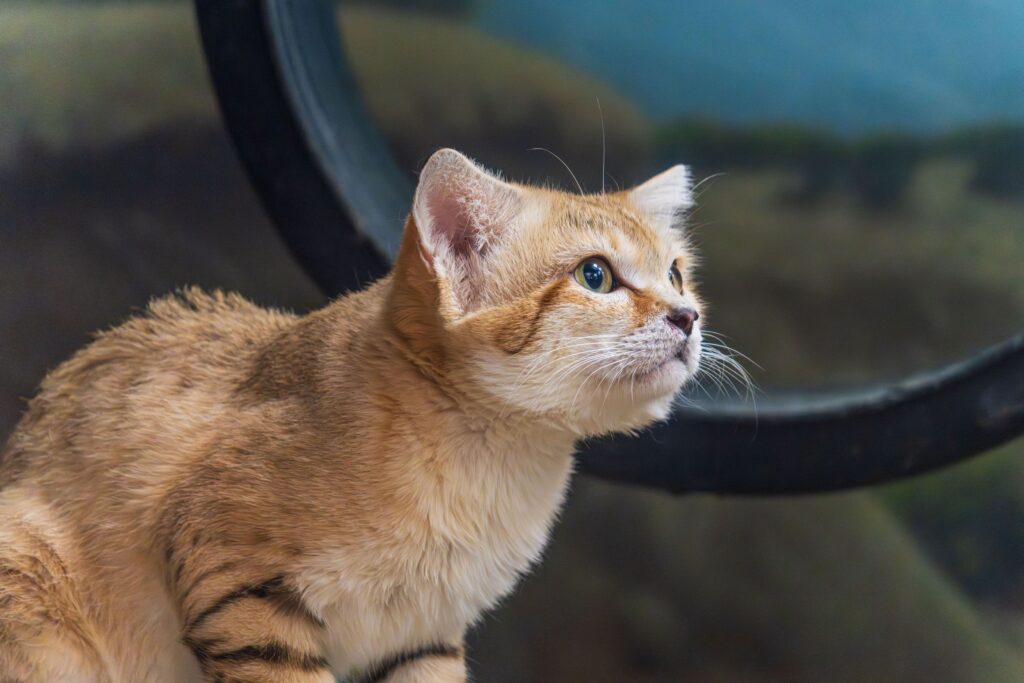
About Fishing Cat Babies
By examining the young (kitten) stage of fishing cats (Prionailurus viverrinus), we can gain insight into their ecology and development as wild animals.
- Appearance and Body Shape
Birth Weight: Approximately 100-150g
Body Length: Approximately 15-20cm (excluding tail)
Coat Color: Light gray-brown at birth with lighter markings
The markings and stripes become more pronounced within a few weeks of birth
Eye Color: Initially bluish, changing to a color similar to that of an adult cat within a few weeks
- Growth and Behavior
2-3 Weeks: Eyes fully open, and walking gradually becomes more stable
4-6 Weeks: Weaning begins. They learn hunting techniques by imitating their mother’s hunting techniques and playing.
2-3 months: Motor and swimming skills develop, and they begin to interact with water.
Around 6 months: They reach nearly adult size and mobility.
- Socialization
Pups are dependent on their mother during their early stages.
They learn hunting, swimming, and danger avoidance from their mother.
They acquire hunting skills and social behavior through play with their siblings.
- Physiological Characteristics
Breastfeeding lasts from approximately 4-6 weeks of age.
They gradually begin to eat solid foods (fish and small animals) around 8 weeks of age.
Pups’ immunity is dependent on their mother’s milk, and they are at high risk of illness.
- Precautions (for wild rescue and captivity)
Pups are highly dependent on water, so the environment is important.
Learning hunting techniques and swimming from their mother is directly related to their survival.
Reintroduction programs require hunting education from mothers and caregivers.
Is the fishing cat an endangered species?
The fishing cat is listed as an endangered species. The population is decreasing rapidly year by year, and according to information, the following causes can be cited.
habitat destruction
They are threatened by the destruction of wetlands, which are becoming increasingly polluted and converted into agricultural and human settlements, leaving fishing cats with no place to live, and habitat loss making life difficult for them.
Overfishing of fish resources and retaliatory killings
The fishing cat’s favorite food is fish, but as the population increases, humans are also taking too many fish through fishing. This makes it difficult to secure food. Additionally, fishing cats regularly attack farmers’ livestock, resulting in many cases of them being killed in retaliation. On Sagar Island, indigenous people wiped out the fishing cat population, and in Bangladesh, at least 30 fishing cats were killed by locals in the three years between January 2010 and March 2013.
Is it possible to keep fishing cats?
Fishing cats have quite aggressive personalities, so they are extremely difficult to keep. Keeping multiple dogs is not recommended as there is a risk of killing them.
- Capability
General households: Not permitted
Regulated under the Wildlife Protection Act and the Convention on International Trade in Endangered Species of Wild Fauna and Flora (CITES)
As an endangered species, capturing and keeping them without domestic or international permission is illegal.
Zoos and conservation facilities: Capable of keeping with special permission
Kept only for conservation or breeding programs
Environment, diet, and freedom of movement must be ensured.
- Difficulties in keeping
Water-dependent
They require the ability to hunt in water, and failing to maintain a proper aquatic environment can lead to stress and health problems.
Strong wild instincts
Highly cautious and preferring solitary behavior
Not easily tamed, making them difficult to care for at home
Special diet
Because they primarily prey on fish and aquatic life, they require special methods for obtaining and feeding their food.
The type and amount of food they eat must be controlled in order to maintain their health.
- The Significance of Conservation and Breeding
The purpose of breeding, conservation, and education in zoos and conservation facilities is to protect and educate animals.
They are sometimes managed as part of reintroduction programs.
In conclusion, fishing cats cannot be kept as pets at home; they can only be kept in specialized facilities.
Zoos Housing the Species (Japan & Worldwide)
The fishing cat is a rare felid, with few facilities worldwide keeping them in captivity. In Japan, they can be seen at only a handful of facilities, while globally, they are primarily housed in zoos participating in breeding programs (such as EEP and SSP).
Facilities in Japan where fishing cats can be seen
Currently, they are primarily housed at the following facilities:
Kobe Animal Kingdom
One of Japan’s leading facilities for keeping fishing cats
They have a successful breeding record, and visitors can sometimes observe the cats swimming or foraging.
Toba Aquarium
Features an extensive exhibit of semi-aquatic animals—a rarity in Japan
They have a successful breeding record for fishing cats.
Higashiyama Zoo and Botanical Gardens
One of the facilities that has kept fishing cats for many years.
Kochi Prefectural Noichi Zoological Park
Exhibits individuals such as “Moon,” who was born at Toba Aquarium.
*Please note that animals may occasionally be off-display due to health management or breeding requirements; we recommend checking the official website of each facility for the latest information before visiting.
Major zoos housing the species worldwide
Asia
Singapore Zoo
Night Safari
Dehiwala Zoo
Chennai Zoo
Europe
Chester Zoo
Bronx Zoo
Zoo de la Flèche (successful breeding record)
North America
Smithsonian National Zoo
Cincinnati Zoo
Introducing other animals
コメント