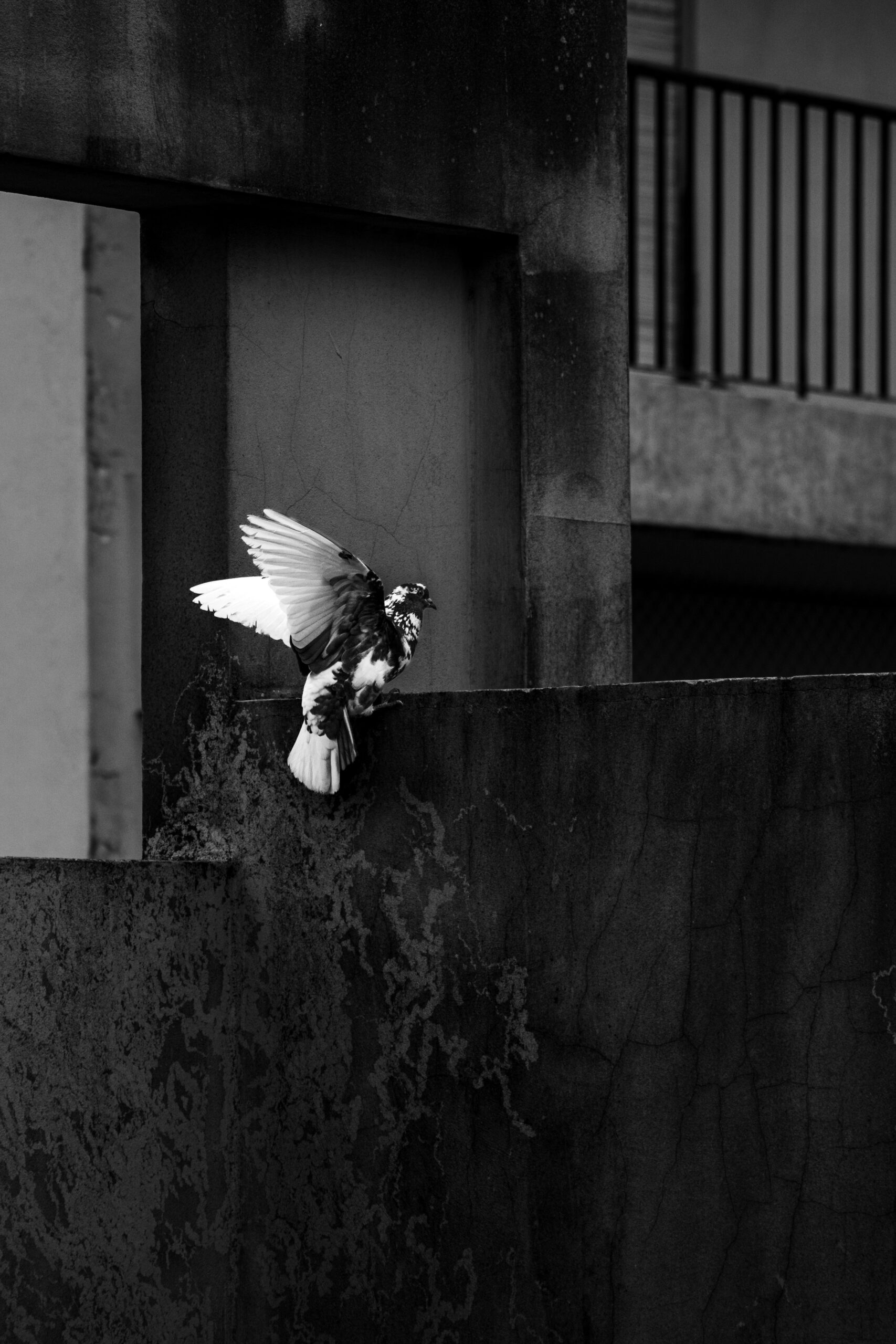
We will explain the characteristics, ecology, habitat, reproduction, and reasons for the extinction of the passenger pigeon, which existed in the hundreds of millions 100 years ago but is now extinct. Why did this bird, which is said to have once lived in large numbers, become extinct? We will explain all the reasons, characteristics, and ecology.



- What is a passenger pigeon? About basic status
- What are the roots and origins of the Passenger Pigeon?
- Taxonomy of the Passenger Pigeon
- About the habitat of the passenger pigeon
- feature is? What kind of creature is it?
- What is the ecology of the passenger pigeon?
- Passenger Pigeon Molting
- Vocalizations
- Seasonal Activities
- Flight Speed
- About Passenger Pigeon Chicks
- Why did the passenger pigeon become extinct?
- Towards a revival after 100 years?
- Introducing other animals
What is a passenger pigeon? About basic status
The passenger pigeon is a bird belonging to the genus Passenger Pigeon. The English name is Passenger Pigeon. The scientific name is Ectopistes migratorius. It is said to have a total length of about 40 cm, and is said to be the most abundant wild bird in history.
| Japanese(和名) | リョコウバト(漢字:旅行鳩) |
| English(英名) | Passenger Pigeon |
| scientific name(学名) | Ectopistes migratorius |
| classification(分類) | Aves、 Columbiformes、Columbidae、Ectopistes 鳥綱、ハト目、ハト科、リョコウバト属 |
| IUCN Status(保全状況) | EXTINCT |
| Length(体長) | 40cm |
| Weight(体重) | 260 – 340 g |
What are the roots and origins of the Passenger Pigeon?
The Passenger Pigeon (Ectopistes migratorius) was a species of pigeon that once inhabited North America in the billions. Phylogenetic analysis reveals that its roots lie among the pigeons of the New World (the Americas).
Origins
The Passenger Pigeon was a bird belonging to the following classification:
Animalia (Kingdom)
Aves (Class)
Columbiformes (Order)
Columbidae (Family)
Ectopistes (Genus)
Fossil and DNA studies suggest that the Passenger Pigeon’s ancestors diverged from pigeon lineages that had expanded into North America during or after the Miocene epoch (approximately 23 to 5 million years ago).
Closest Relative
Among living birds, its closest relative is the Band-tailed Pigeon.
Genetic analysis suggests the following:
They diverged from a common ancestor approximately 5 to 8 million years ago.
Subsequently, the Passenger Pigeon evolved a lifestyle involving the formation of massive flocks.
The Band-tailed Pigeon retained a lifestyle involving relatively small flocks.
Evolution in North America
As North American forests expanded and contracted throughout the Ice Ages, the Passenger Pigeon adapted specifically to broad-leaved forests.
Its staple diet consisted of:
Beechnuts
Acorns
Chestnuts
Walnuts
Other nuts and fruits
Because the abundance of these food sources fluctuated significantly from year to year, the birds undertook massive migrations spanning hundreds to thousands of kilometers in search of food—a behavior that gave rise to the name “Passenger Pigeon.”
Why did they form massive flocks?
Passenger Pigeons formed flocks of a size unparalleled anywhere else in the world.
Reasons for this include:
“Safety in numbers,” making them less vulnerable to predators
Efficient utilization of areas with abundant nut crops
Increased reproductive success through colonial breeding
Taxonomy of the Passenger Pigeon
This section summarizes the taxonomy of the passenger pigeon. The passenger pigeon once inhabited North America but became extinct in the early 20th century.
Kingdom, Phylum, and Class
Kingdom: Animalia
Phylum: Chordata
Class: Aves
Order and Family
Order: Columbiformes
Family: Columbidae
Genus and Species
Genus: Ectopistes
Species: Ectopistes migratorius
About the habitat of the passenger pigeon
The passenger pigeon lived mainly in the eastern region of the United States. It was even said that when they passed over it in nature, huge groups would appear and the sky would darken.
- Geographic Distribution
Once widespread throughout eastern and central North America, its habitat stretched from southern Canada to Ohio, Pennsylvania, Georgia, and the Mississippi River basin in the United States.
- Habitat
This bird prefers vast forested areas, particularly those rich in oak, beech, and hazel trees.
It is a migratory bird that travels in large flocks, moving seasonally to areas with abundant food sources (fruit and nuts).
It also uses open areas in the forest and along rivers for breeding and resting.
- Food Resources
Because it consumes large amounts of acorns, nuts, and berries, forests rich in food are important habitats for it.
When food supplies run out, it can travel hundreds of kilometers.
- Migration and Flocking
Passenger pigeons are among the largest flocking birds in history, with flocks numbering in the millions and tens of millions covering entire forests.
The movement of large herds was closely related to the consumption of forest resources within their habitat and the selection of breeding sites.
- Habitat Change Related to Extinction
Deforestation and agricultural development in the 19th century rapidly destroyed their habitat.
Habitat loss prevented the formation of large herds, leading to their extinction.
feature is? What kind of creature is it?
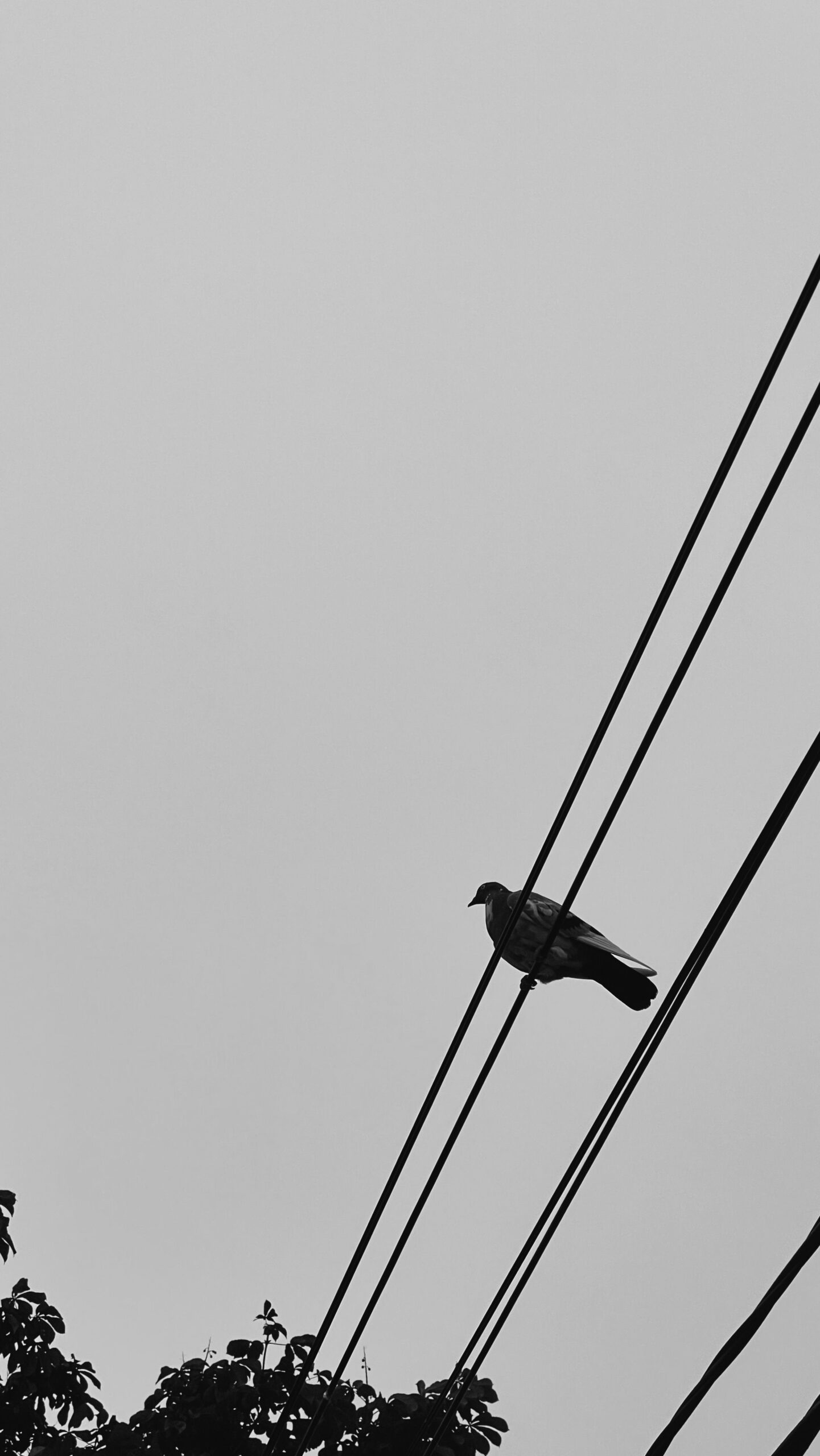
It is estimated that there were between 3 and 5 billion passenger pigeons at one time. The male has a blue-gray head, rose-colored underside, black bill, and red legs. Females are more subdued in color than males. It was said that the moving herds were so dense that the sky would be dyed black. The flight speed was fast and the travel speed was about 60 miles per hour. These pigeons lived in deciduous forests in eastern North America and were primarily active around the Great Lakes.
- Physical Characteristics
Body Length: Approximately 40 cm, Wingspan: Approximately 55 cm
Males have pale blue-gray plumage with a reddish chest. Females are somewhat duller, with a more gray overall color.
Their tail feathers are long and pointed, allowing them to cut through the air during flight.
Their beaks are small and well-suited for pecking at fruits and nuts.
- Lifestyle and Behavior
They are flock-living birds, forming large flocks numbering several million to tens of millions of birds.
They travel in large flocks, feeding on fruits and nuts in the forest.
They are highly mobile, migratory birds that can travel long distances.
- Breeding
They build extensive nests in the forest and lay one to two eggs per breeding.
During the breeding season, they form large colonies, with many pairs nesting close together.
Breeding nests are built on tree branches, and the flock provides mutual safety.
What is the ecology of the passenger pigeon?
Passenger pigeons lived mainly on beech nuts, acorns, and chestnuts. In summer, they also prey on soft fruits such as berries and invertebrates. Passenger pigeons were also famous as migratory birds. Their summer nesting grounds range from New York to the Great Lakes area, and their wintering grounds move to Mexico. Because they moved in such large numbers, it was said that even the local people were blocked from sunlight and the sky became dark. The breeding season is once a year, and the number of eggs per egg is only one, so it is a bird with a very low reproductive capacity.
- Flocks and Migration
Living in overwhelming flocks: Flocks can number in the millions or tens of millions, sometimes covering the sky.
Moving in flocks improves the efficiency of food search and defense against predators.
They migrate long distances depending on the season, moving to areas with abundant food.
- Diet
Fruit and nut diet (acorns, hazelnuts, berries, etc.).
They rely on food resources within the forest, and when food supplies run out, they move in large flocks to other areas.
They sometimes feed on the ground, and the entire flock shares food.
- Reproduction
During the breeding season, they build large nest colonies in the forest.
Nests are built on tree branches, and one to two eggs are laid per breeding.
Breeding in flocks ensures safety from predators.
- Behavior and Sociality
They are highly sociable and primarily flock-based. Isolated individuals have rarely been seen.
Within the flock, they move in a coordinated manner and efficiently utilize feeding areas.
They stay together in safe places at night and forage in the forest during the day.
- Natural Predators and Defense
Raptors include birds of prey and mammals (such as foxes).
Traveling in large flocks reduces the risk of predation for individuals.
Passenger Pigeon Molting
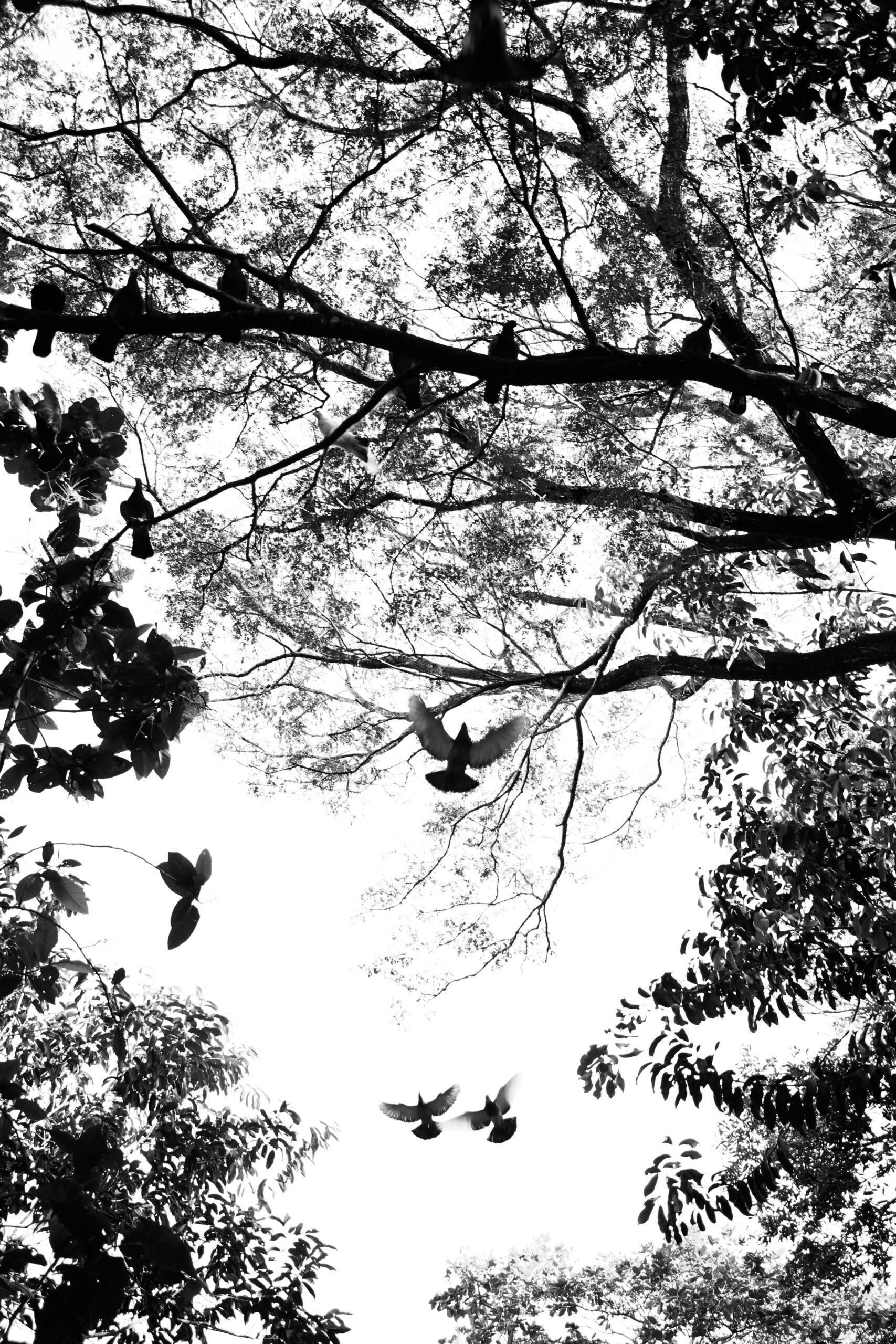
Based on studies of closely related species and museum specimens, it is believed that the Passenger Pigeon (Ectopistes migratorius) underwent a complete molt once a year. However, as the species is extinct, the precise timing and sequence of this process are not as clearly understood as they are for extant species.
Timing of Molting
It is estimated that molting primarily began in the summer to early autumn, following the conclusion of the breeding season.
The annual cycle proceeded roughly as follows:
Spring to early summer: Breeding, incubation, and chick-rearing
Summer: Molting begins after the chicks become independent
Autumn: Long-distance migration and foraging with new plumage
Winter: Overwintering with full plumage
This pattern is common among many pigeon species.
Characteristics of Molting
During the molt, the following feathers were successively replaced with new ones:
Flight feathers (wing feathers)
Tail feathers
Body feathers
In pigeons, flight feathers are shed and replaced gradually and symmetrically on both sides, allowing them to maintain a certain level of flight capability even while molting. It is believed that Passenger Pigeons followed a similar process.
Why Molting Was Important
Passenger Pigeons led a lifestyle that involved:
Migratory habits, sometimes flying tens to hundreds of kilometers a day
Long-distance flight in massive flocks
Flying at high speeds through forests
Consequently, the following were essential for their survival:
Replacing worn-out feathers
Maintaining flight efficiency
Preserving heat retention and waterproofing capabilities
Vocalizations
The vocalizations of the Passenger Pigeon (Ectopistes migratorius) are understood to some extent through records left by 19th-century naturalists and hunters, as well as comparisons with closely related species.
① “Coo, coo”
This was the most basic call—a low, soft cooing similar to that of modern pigeons.
Examples of how it was described:
“coo”
“Coo… coo…”
“Kururu”
It is believed that this call was used for communication between mated pairs.
② “Keck, keck”
When on alert, they produced short, sharp calls such as:
“Keck”
“Ka”
“Kuk”
These calls are thought to have served to warn the entire flock of danger.
③ Courtship calls
During the breeding season, males would produce:
low, resonant cooing
somewhat long, continuous sounds
…while performing courtship displays that included:
puffing out their necks
bowing-like movements
spreading their tails
Seasonal Activities
The passenger pigeon (Ectopistes migratorius) was a migratory bird that lived by moving seasonally across the vast forests of eastern North America. Because their movements were dictated by the fluctuating abundance of mast (such as beechnuts and acorns), they are believed to have exhibited more flexible behavior than typical migratory birds.
Spring (March–May)
Migration to Breeding Grounds & Courtship
In spring, they migrated to forests across eastern and Midwestern North America, forming massive breeding colonies.
Key Activities
Pair formation
Courtship displays
Selection of breeding grounds
Nest building on tree branches
Records indicate that flocks numbering in the millions would gather simultaneously at breeding sites, sometimes filling the entire forest with pigeons.
Early Summer (May–July)
Breeding & Chick Rearing
This was the peak of the breeding season.
Females typically laid one egg (rarely two)
Males and females took turns incubating the egg
Incubation period lasted about two weeks
After hatching, chicks were fed “crop milk”
As they grew, they were also fed nuts and fruits
Chicks fledged (left the nest) after about four weeks.
Summer (July–August)
End of Rearing & Molting
Once breeding concluded, the following processes took place:
Molting (shedding and replacing feathers)
Independence of young birds
Re-formation of flocks
Adults and young birds began forming large flocks once again.
Autumn (September–November)
Foraging & Great Migration
Autumn was the season of greatest migratory activity.
Seeking areas rich in nuts like beechnuts and acorns, they:
Traveled distances ranging from hundreds to thousands of kilometers
Moved through forests in massive flocks
Built up fat reserves in preparation for winter
They are believed to have stayed in food-rich areas for days or weeks, moving on to the next forest once the food supply was exhausted.
Winter (December–February)
Overwintering
They spent the winter in relatively warmer regions. They migrated to areas such as the southeastern United States,
the Mississippi River basin,
and the forests of the South,
subsisting on
nuts,
tree buds,
and fruits.
It appears that in regions with heavy snow—where food becomes scarce—they traveled over wide areas of forest rich in food resources.
Flight Speed
The passenger pigeon (Ectopistes migratorius) was known as a bird capable of very high flight speeds. Based on historical eyewitness accounts and comparisons with closely related species, it is believed that they maintained considerable speed even during routine flight.
Normal Flight Speed
Estimates suggest they
cruised at speeds of approximately 60–80 km/h (about 37–50 mph).
It was not uncommon for them to travel hundreds of kilometers or more at this speed in search of forests abundant in nuts and seeds.
Maximum Flight Speed
It has been suggested that when pursued or during bursts of vigorous flapping,
they may have reached speeds close to 90–100 km/h.
However, these figures are estimates based on historical observations and comparisons with related species, rather than modern radar measurements.
Flight Characteristics
The passenger pigeon’s flight style was characterized by:
powerful, rapid wingbeats;
alternating with brief periods of gliding;
and the ability of the entire flock to change direction in unison.
About Passenger Pigeon Chicks
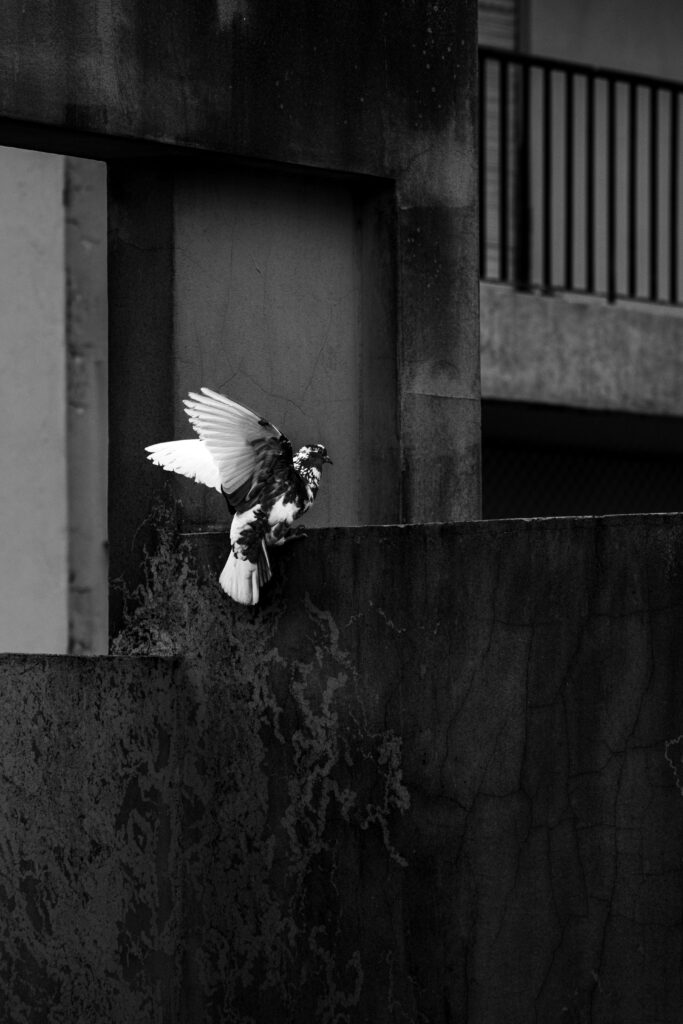
This article summarizes passenger pigeon chicks. Unfortunately, passenger pigeons are an extinct species, but historical observations provide information about their chicks’ behavior.
- Birth
During the breeding season, they build nests on the branches of forest trees and lay one to two eggs.
The incubation period is thought to be approximately 14 to 16 days.
Hatched chicks are very small, with thin feathers and closed eyes.
- Growth
Chicks are completely dependent on their parents for food.
The parents feed them fruits and nuts by mouth.
They grow quickly, and about two weeks after hatching, their feathers grow fully formed and they are able to walk outside the nest.
- Behavior
In the nest, they grow close to their parents, ensuring their safety.
Because they build nests in large flocks, chicks grow up surrounded by numerous nests.
This cooperation among the entire flock reduces the risk of predators.
- Independence
Approximately one month after hatching, they begin practicing flight.
After about one to two months, they become independent and begin traveling with their parents in flocks to search for food.
Why did the passenger pigeon become extinct?
The passenger pigeon in North America has already become extinct. All that remains is the stuffed specimen. So why did it become extinct in the first place? I will explain the reasons for this based on records and information from the time.
Overfishing by humans
Passenger pigeons were originally eaten by Native Americans as meat. However, because the indigenous people took precautions such as refraining from hunting pigeons during the breeding season, they did not become extinct. However, the situation changed when Europeans settled in modern times. When white settlers began to settle in earnest in the 19th century, they began to hunt not only pigeons but also American bison and pronghorn. This is where the tragedy began.
excessive hunting
Humans forced the Indians onto reservations and began hunting them as they pleased. Overhunting began for the purpose of collecting feathers for meat, feed, and bedding material. The number of passenger pigeons has plummeted and continues to decline, and even their chicks are being overhunted. In 1878, nearly one billion passenger pigeons were slaughtered in Michigan. By the end of the 19th century, it was almost extinct. At that time, there were attempts to seek protection, but they were ignored.
Destroyed by forest development
This was further exacerbated by deforestation and land development by humans. Passenger pigeons used to live in forests because they had the property of resting on perches, but with the disappearance of forests, they began to appear on the ground in residential areas, and the negative cycle continued as they were hunted. Martha, a female, was the last survivor at the Cincinnati Zoo in Ohio in 1910. However, in 1914, he died of old age and was declared extinct.
Towards a revival after 100 years?
In 2012, a group of scientists launched a research project to clone the passenger pigeon, with the aim of genetically engineering a bird with the same traits as the extinct passenger pigeon. Ben Novak’s group at the University of California, Santa Cruz, is working to extract DNA from specimens of passenger pigeons in an effort to revive the species.
Introducing other animals

コメント