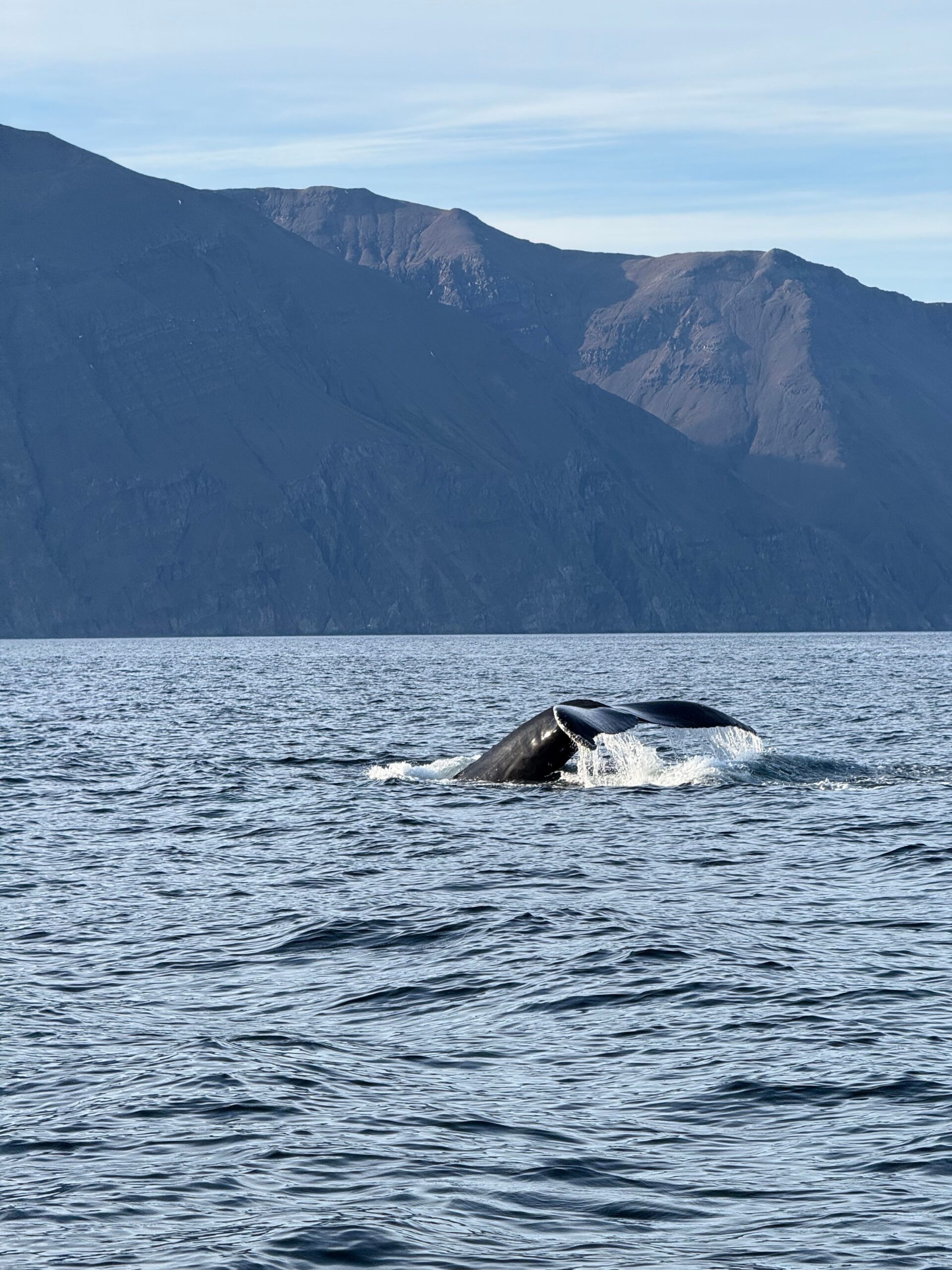
What kind of animal is a blue whale? We will explain its characteristics, ecology, and habitat. It is said to be the largest whale among all whales, and is a marine mammal that takes advantage of its gigantic size to live in the sea. We will introduce its characteristics and habitat.







- What is a blue whale? About basic status
- What are the roots and origins of the blue whale?
- About habitat
- feature is? What kind of creature is it?
- What is your personality like?
- What is the ecology like?
- About Diving
- About Their Vocalizations
- Seasonal Activities
- On Swimming Speed
- About Blue Whale Calves
- Is the blue whale an endangered species?
- Can blue whales be kept in captivity?
- Zoos and Aquariums Keeping Them (Japan and Worldwide)
- Introducing other animals
What is a blue whale? About basic status
Blue whales are marine mammals classified in the order Mammalia, order Artiodactyla, family Finidae. The scientific name is Balaenoptera musculus and the kanji is White Nagasu whale. The total length (body length) is 20 – 26 m, and the weight is 80 – 199 tons. A list of basic information is below. It is the world’s largest marine creature that lives on Earth, and if it grows, it will be extremely large.
| Japanese(和名) | シロナガスクジラ |
| English(英名) | Blue whale |
| scientific name(学名) | Balaenoptera musculus |
| classification(分類) | Mammalia、Artiodactyla/Cetartiodactyla、 Balaenopteridae、Balaenoptera 哺乳綱、偶蹄目、ナガスクジラ科、ナガスクジラ属 |
| IUCN Status(保全状況) | ENDANGERED |
| Length(体長) | 20 – 26m |
| Weight(体重) | 80 – 199t |
What are the roots and origins of the blue whale?
Surprisingly, the roots of the blue whale (Balaenoptera musculus) lie not in the ocean, but with small mammals that walked on land. It has an evolutionary history spanning over 50 million years to reach its current, massive form.
Origins: Starting with “land mammals” about 50 million years ago
Whale ancestors were artiodactyls—even-toed ungulates related to modern cattle and hippos—that lived during the Eocene epoch, roughly 50 to 55 million years ago.
It is believed that the lineage leading to whales originated specifically from small mammals inhabiting the region around the Indian subcontinent.
Their early forms were completely different from modern whales; they were animals that:
Walked on four legs
Were capable of living on land
Fed on fish in rivers and shallow waters
A prime example:
Pakicetus
It was about the size of a dog, with an appearance resembling a mix between a wolf and an otter.
Transition to aquatic life
The general course of evolution unfolded as follows:
About 50 million years ago
Land mammal
↓
About 48 million years ago
Semi-aquatic whale
Still possessed legs
Lived in rivers and coastal areas
Improved swimming ability
Example:
Rodhocetus
↓
About 40 million years ago
Shift to a fully marine lifestyle
Example:
Dorudon
Characteristics:
Hind limbs became smaller
Developed tail flukes
Spent their entire lives in the ocean
This is the stage where the “whale-like body shape” took form.
The emergence of “baleen whales,” the lineage leading to the blue whale
The modern blue whale belongs to the group known as baleen whales (Mysticeti), which evolved from ancestors that possessed teeth. Early whales:
Hunted fish and large organisms using teeth
↓
After evolution:
Used baleen plates to filter-feed on vast quantities of krill and other small prey
This change enabled them to efficiently consume large amounts of small prey.
Why did the blue whale become the largest animal in the world?
There are three main reasons why the blue whale grew to such a massive size.
① No need to support body weight in the ocean
On land, growing to a massive size places a heavy strain on bones and muscles, but in water, buoyancy provides support.
② Abundant food supply
In the ocean, there are areas where massive blooms of krill occur seasonally; growing larger was advantageous for consuming these in huge quantities.
③ A massive body conserves energy
A large body retains heat well and is also suited for long-distance migration.
About classification
There are 4 subspecies.
- Balaenoptera musculus musculus キタシロナガス Northern blue whale
- Balaenoptera musculus brevicauda ピグミーシロナガス Pygmy blue whale
- Balaenoptera musculus indica Northern Indian Ocean blue whale
- Balaenoptera musculus intermedia ミナミシロナガス Antarctic blue whale
About habitat
Blue whales migrate throughout the world’s oceans.
- Northern Hemisphere
North Pacific: Coast of Alaska, off California, Sea of Japan, Sea of Okhotsk
North Atlantic: Off the coast of Greenland, Iceland, Norway, and the Azores
- Southern Hemisphere
Antarctic Ocean: In summer, they gather around Antarctica to feed on large amounts of krill.
South Atlantic and Indian Ocean: Southern tip of South America, South Africa, southern coast of Australia, etc.
- Tropical and Subtropical Zones
Some individuals overwinter in tropical waters, but their numbers are low, mainly due to a lack of food.
feature is? What kind of creature is it?
The blue whale is the largest living vertebrate species. The body has an elongated shape, and the dorsal side is gray-blue in various colors. The ventral side is slightly brighter in color, and in adults, females are slightly larger than males. It has a streamlined body, long thin pectoral fins, and a thin tail fin that spreads out from the side. Blue whales don’t stay in one place; they move around the world’s oceans. In summer, they appear in the Arctic and Antarctic oceans, where krill are abundant, and in winter, they appear in tropical and subtropical oceans to raise their young in warm waters.
- Physical Characteristics
Size: Total length is 25-30m, sometimes reaching up to 33m.
→ The world’s largest animal
Weight: Approximately 100-200 tons (one of the largest living animals in history)
Body Shape: Long and streamlined. Blue-gray back, pale grayish-white underbelly
Skin: Bluish-gray, sometimes appearing light blue depending on the light
Head: Flat and broad, with a very large head extending from the tip of the mouth to the pectoral fins
Fins:
The pectoral fins are small and slender
The caudal fin is wide and provides excellent propulsive power
- Diet
Food: Mainly krill (small crustaceans)
Feeding Method: Opens its mouth wide, sucks in krill along with seawater, and filters it through its baleen plates before eating.
Daily Intake: May eat approximately 3-4 tons of krill in a single day
- Ecology and Behavior
Migratory: They migrate between the Arctic and Antarctic regions depending on the season.
Calls: They can emit low-frequency sounds that can travel hundreds of kilometers, and they use them for communication and direction-finding.
Lifespan: Average 80-90 years, with some individuals living for over 100 years.
Reproduction:
Gestation Period: Approximately 11 months
At birth, young are approximately 7-8 meters long and weigh 2-3 tons.
- Appearance
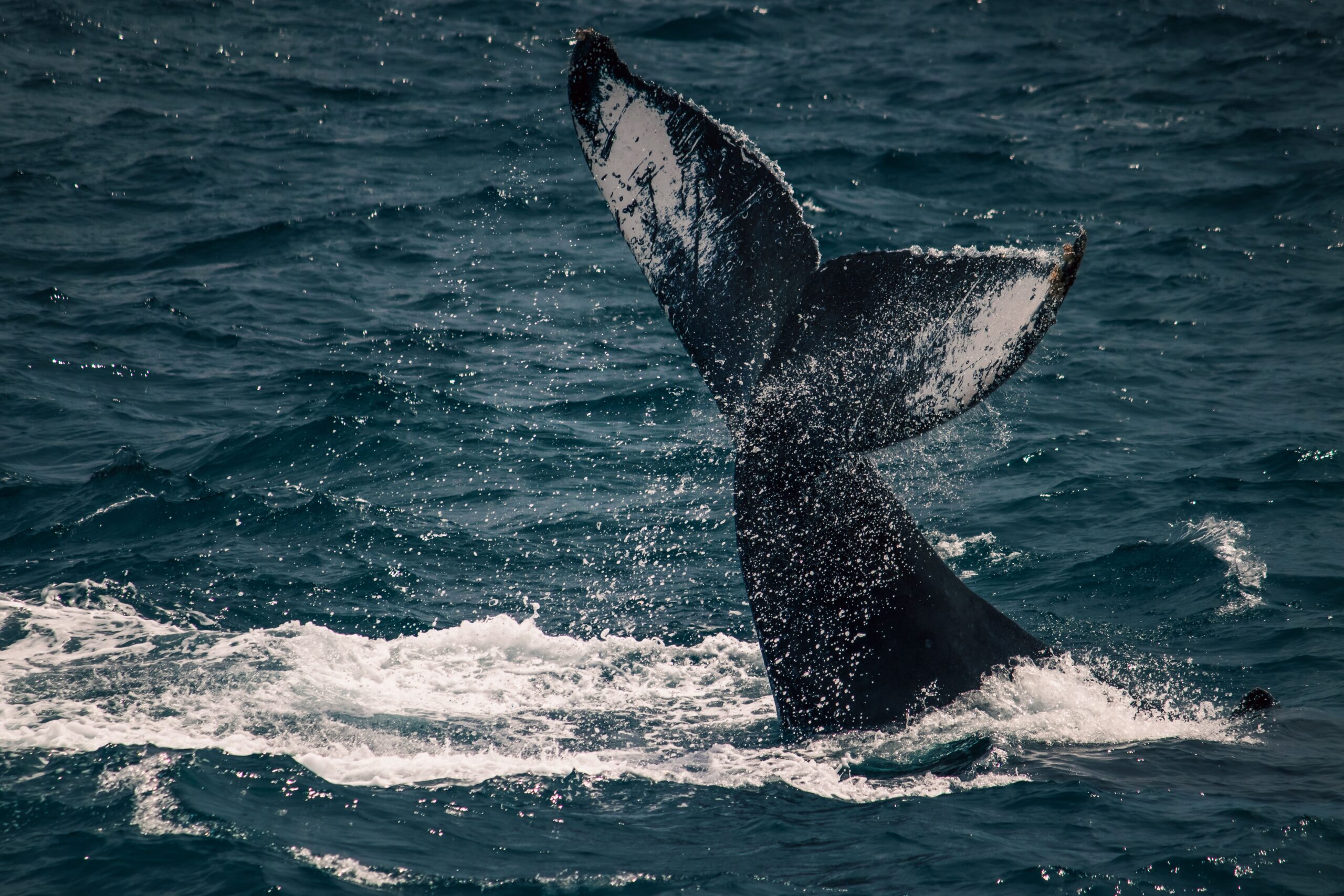
They glide across the ocean like a giant submarine.
They are characterized by their backs slightly protruding above the waves to breathe.
Their pectoral and dorsal fins are small compared to their body size, giving them an overall relaxed appearance.
What is your personality like?
Blue whales are docile and do not attack other creatures other than to eat.
- Gentle and Timid
Generally, they are not aggressive toward humans or other creatures.
Despite their large size, they spend most of their time swimming leisurely.
If they sense danger, they often dive and silently escape.
- Sociability
They may be solitary, or they may be found in parent-child pairs or small groups.
In groups, they swim leisurely, maintaining a safe distance from each other.
During breeding season, males may compete for females.
- Curiosity
They may slowly approach human vessels or observers.
However, due to their large size, sudden approaches can mistakenly give them the impression of danger.
- Activity Patterns
They are active both during the day and at night, but they swim long distances at their own pace during migration.
When feeding, they filter out krill with undivided attention.
What is the ecology like?
Blue whales live on a diet of zooplankton called krill and crustaceans. They generally travel alone or in small groups, except during the breeding and rearing seasons. The mode of reproduction is viviparous. They mate in the winter. The gestation period is 12 months. They give birth to one young at a time. Sexual maturity occurs between 8 and 10 years of age. Their lifespan is said to be over 100 years, and some have lived as long as 120 years.
- Migration and Distribution
Blue whales undergo large-scale seasonal migrations.
Summer: They feed on abundant prey such as krill in cold waters such as the Antarctic and Arctic Oceans.
Winter: They migrate to tropical and subtropical waters for breeding and birth.
They often swim alone, but they can also be seen with their calves or in small groups.
- Diet and Feeding Methods
Their primary diet consists of plankton such as krill and small fish.
They filter plankton along with the seawater using their baleen plates (filtering organs unique to baleen whales).
They can eat up to 3-4 tons of krill in a single day.
Most of their feeding occurs in cold waters.
- Reproduction
Breeding season occurs in warmer winter waters.
Gestation period: Approximately 11 months.
Baby: Approximately 7-8 meters in length, weighing approximately 2-3 tons.
Mothers and calves spend several months together, nursing each other.
Males sometimes compete for females during the breeding season.
- Sound and Communication
Low-frequency calls allow for long-distance communication.
Their calls can be heard hundreds of kilometers away, and are used to locate their location during migrations and to communicate with fellow fish.
- Lifestyle
Capable of long dives (average 10-20 minutes, maximum 30 minutes or more).
Swim slowly to search for food.
Come to the surface for short breaths.
- Lifespan and Predators
Lifespan: 80-90 years, sometimes over 100 years.
They have few natural predators, but young fish are sometimes attacked by killer whales and sharks.
Are there any natural enemies?
Blue whales have a natural enemy called killer whales.
About Diving
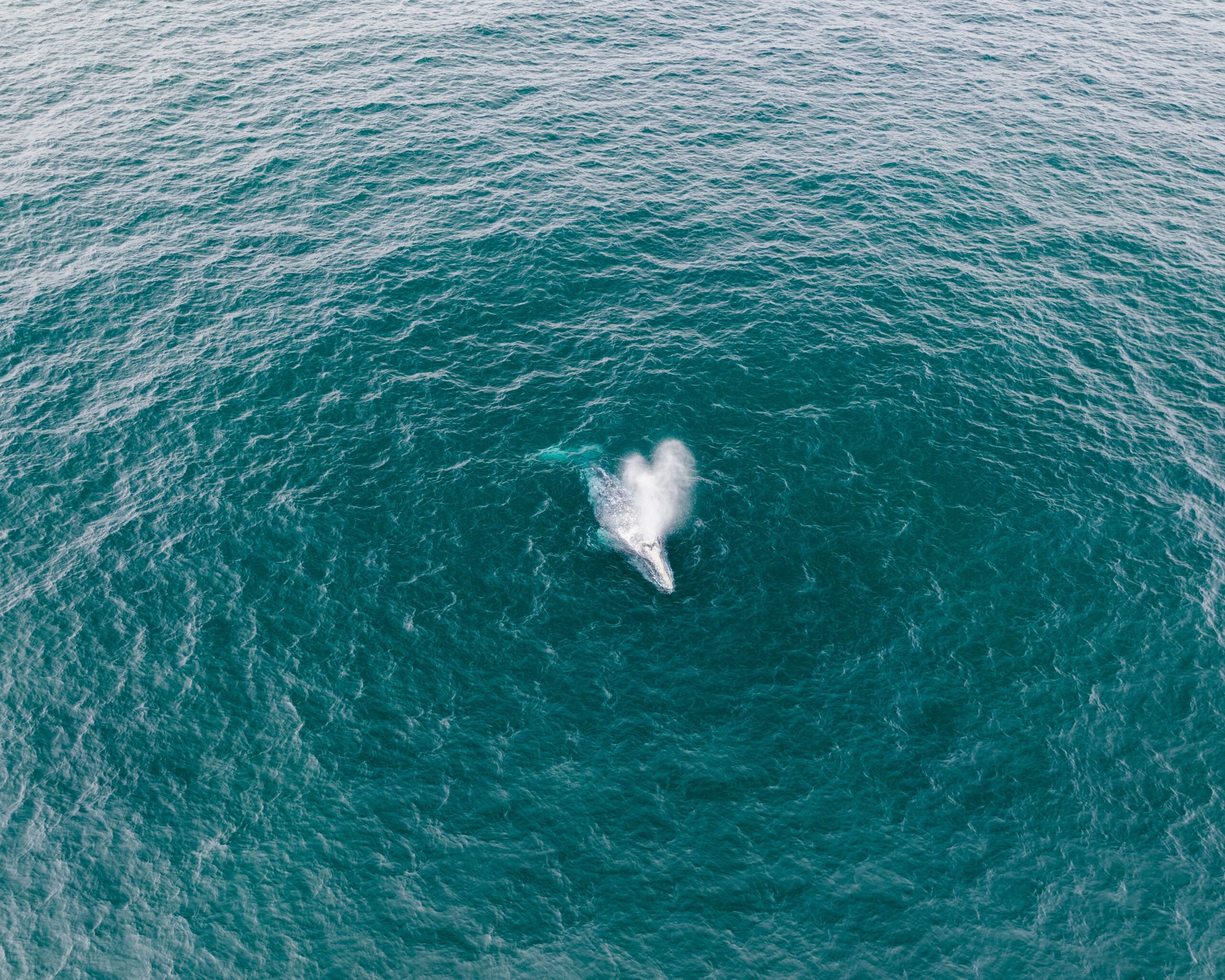
The blue whale’s diving capabilities are far more advanced than its massive size might suggest. Although it is the world’s largest animal, it is not a deep-sea hunter; rather, it feeds while traveling near the ocean surface for extended periods.
Dive Duration
Typical: Around 5–15 minutes
Long dives: Over 30 minutes
Record-breaking dives: Dives lasting tens of minutes or longer have been confirmed.
However, they do not dive into the deep sea for over an hour like sperm whales do.
Diving Depth
Typical dives:
Around several tens of meters to 100 meters
Deep dives:
200–300 meters or more
Blue whales primarily dive to the depths where massive swarms of krill congregate.
How can they dive with such a massive body?
① They do not rely solely on air stored in the lungs for breathing
When humans dive deep, the air in their lungs compresses, causing nitrogen to dissolve into the bloodstream.
Whales, however, possess the following characteristics:
Flexible lungs that can collapse safely
A strong rib cage
The ability to store large amounts of oxygen in their blood and muscles
In short:
Humans → Rely mainly on oxygen in the lungs
Whales → Rely on oxygen stored in the blood and muscles
② Their muscles contain high levels of “myoglobin”
Whale muscles contain large amounts of a protein called
myoglobin,
which stores oxygen.
This allows the muscles themselves to function like “oxygen tanks.”
Blue whale muscles, in particular, are so rich in myoglobin that they appear dark in color.
③ They lower their heart rate when diving
When diving, whales:
Lower their heart rate
Concentrate blood flow to vital organs
Restrict oxygen consumption in muscles and extremities
This is an adaptation common to mammals known as the diving reflex.
About Their Vocalizations
The blue whale’s call is among the lowest-pitched and farthest-traveling sounds produced by any animal on Earth. Matching their massive size, they communicate with one another using a voice that seems to make the entire ocean vibrate.
Frequency: Approximately 10–40 Hz
Human hearing range:
Approx. 20 Hz – 20,000 Hz
Blue whale vocalization range:
10–40 Hz
Consequently, humans may perceive these low-pitched sounds as vibrations—like a deep, rumbling “goh” or “boon” sound.
Low-frequency sounds, in particular, do not attenuate easily underwater and can travel distances of hundreds to thousands of kilometers.
Why is their voice so low?
The reason lies in their body size.
Generally speaking, animal vocalizations tend to follow a pattern:
The larger the body, the lower the pitch.
For example:
Mouse → High-pitched
Dog → Medium-pitched
Elephant → Low-pitched
Blue whale → Ultra-low frequency
With a body length of 20 to 30 meters, a blue whale essentially possesses a massive resonating chamber.
① Pulsed sounds (low rumbles)
“Boooooon”
“Woooooo”
Primarily used for long-distance communication.
② Rhythmic songs (whale songs)
Male blue whales sing distinctive songs during the breeding season.
Structure:
Low pitch
↓
Long vibration
↓
Slightly higher pitch
↓
Return to low pitch
They repeat this pattern.
These songs vary slightly by region, exhibiting characteristics akin to “dialects” specific to different ocean areas.
Seasonal Activities
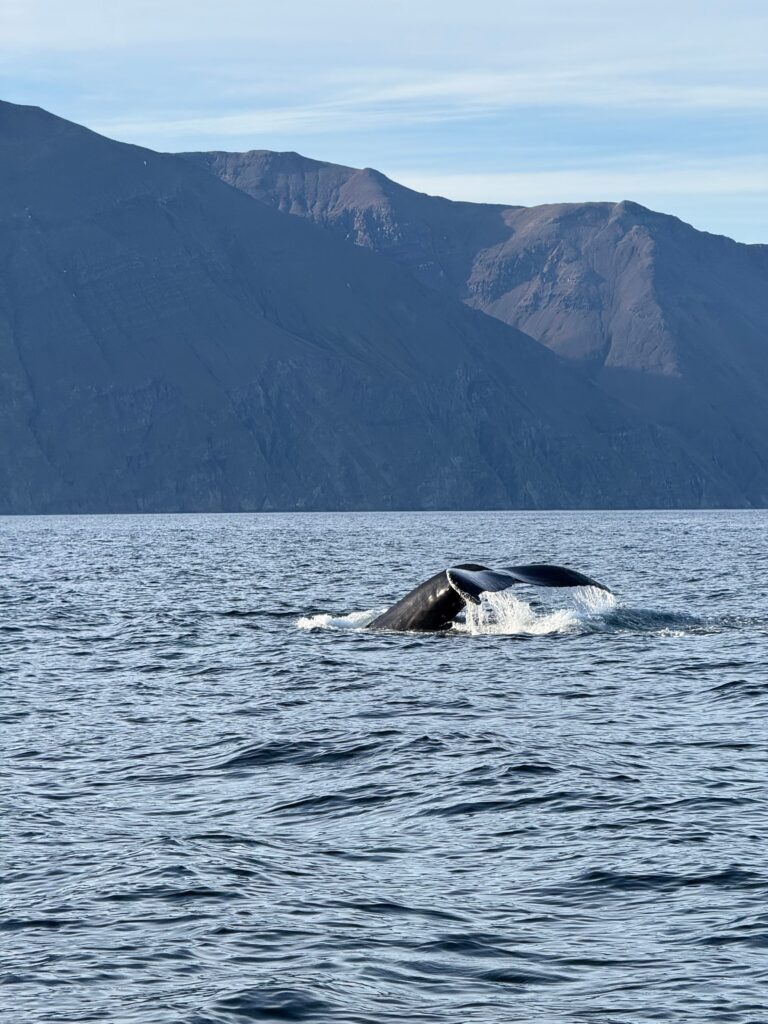
The life of a blue whale is essentially divided into a “season for heavy feeding” and a “season for breeding and rearing calves.” While there are slight variations among populations worldwide, most blue whales lead a migratory life, feeding in the cold waters of high latitudes and breeding in the warm waters of low latitudes.
Spring (March–May): Heading North & Preparing to Feed
Key Activities
Migrating from winter breeding grounds to feeding grounds
Tracking changes in water temperature
Searching for areas where krill are abundant
Since food is scarce in warm waters during winter, they head toward high-latitude regions rich in food when spring arrives.
Migration Distance:
Can span several thousand kilometers.
Blue whales do not simply travel the “shortest distance”; they migrate by utilizing ocean currents and food availability.
Summer (June–August): The Feeding Season (Most Critical)
Summer is the most important time of year for blue whales.
Key Activities
Consuming massive amounts of krill
Building up body fat
Securing energy for long-distance migration
In areas such as:
Around Antarctica
The northern North Pacific
High latitudes of the North Atlantic
…phytoplankton blooms occur, leading to massive swarms of krill that feed on them.
A blue whale may consume:
Several tons of krill
…in a single day.
Feeding Method:
Locate a swarm of krill
Dive
High-speed lunge
Swallow seawater along with the krill using a massive mouth
Filter out the krill using baleen plates
Autumn (September–November): Heading South & Energy Transition
Key Activities
Migrating from feeding grounds to breeding grounds
Maintaining fat reserves
Transitioning to breeding behavior
The fat stored during summer serves as a vital energy source for:
Long-distance migration
Breeding activities
Rearing calves
Vocal activity also tends to increase during this period.
Winter (December–February): Breeding and Calving Season
Migrating to warm waters. Key Activities
Breeding
Birth
Rearing
The gestation period of the blue whale is:
approximately 10 to 12 months.
Consequently, females that mated during the previous breeding season give birth around winter.
On Swimming Speed
The blue whale’s swimming speed is faster than one might imagine given its massive size, and its movement is remarkably energy-efficient. They typically travel long distances at a leisurely pace, accelerating explosively only when capturing prey.
① Normal Cruising Speed
Approx. 5–15 km/h
This is the speed range most frequently observed.
Uses:
Long-distance migration
Searching for feeding grounds
Traveling with other whales
For a human, this corresponds to a pace ranging from a slow walk to a light jog; however, blue whales can cover thousands of kilometers at this speed.
② Top Speed During Feeding
When charging into a swarm of krill,
Approx. 30–50 km/h
They are believed to accelerate to speeds in this range.
This moment involves a specialized feeding behavior known as “lunge feeding.”
Sequence:
Spot a dense swarm of krill
Dive to the appropriate depth
Accelerate powerfully using the tail fluke
Open the massive mouth
Engulf a large volume of water along with the prey
However, because this high-speed movement consumes a vast amount of energy, it is sustained for only a short time.
How can they swim so fast despite their massive size?
① Streamlined Body
The blue whale’s body features:
A thick torso
Smooth skin
Minimal surface area creating drag
…all of which serve to reduce water resistance.
While they appear massive, their body shape is highly efficient for swimming.
② Power of the Tail Fluke
Unlike fish that move their tails from side to side,
Whales:
Move their tail flukes up and down
…to generate propulsion.
Powerful tail muscles allow them to displace a massive amount of water with each stroke.
③ Energy Efficiency from Massive Size
Larger animals enjoy several advantages:
Easier to maintain body temperature
Better fuel efficiency during long-distance travel
Ability to move efficiently using momentum
Even at a speed of around 10 km/h, a blue whale can travel hundreds of kilometers in a single day.
About Blue Whale Calves
Blue whale calves (juveniles) are larger than their parents and already possess impressive size from birth. We’ll summarize their characteristics in detail.
- Size at Birth
Total Length: Approximately 7-8 meters
Weight: Approximately 2-3 tons
Compared to humans, they weigh about the same as a small truck.
Even when fully grown, they are still only about half the length of their parents.
- Breastfeeding
Breast milk is very high in fat (approximately 35% fat) and highly nutritious.
They drink approximately 90 liters or more of breast milk per day.
The nursing period lasts approximately 6-7 months, during which they remain constantly with their mother.
During this time, their weight increases rapidly, sometimes reaching more than 90 kg in a single day.
- Behavior and Ecology
Cubs swim close to their mothers and remain safe under their parent’s protection.
They learn breathing and diving techniques from their mothers.
They rarely travel in groups; instead, they primarily live as a mother-calf unit.
During their first long-distance migration, they swim in unison with their mothers.
- Sound and Communication
Young cubs also emit low-frequency calls to communicate with their mothers.
They still have weak vocalizations and often respond to their parents’ calls.
- Growth Rate
They grow to approximately 10-12 meters in length within the first year of life.
They initially feed exclusively on their mother’s milk, but after weaning, they gradually begin to eat krill and other foods.
They become fully independent after several years.
Is the blue whale an endangered species?
The blue whale is an endangered species listed as EN (Endangered) on the IUCN (International Union for Conservation of Nature) Red List. The estimated population is around 5,000 to 15,000 individuals. The problem was that because their blubber could be used as fuel, they were over-hunted along with humpback whales and baleen whales. Hunting was prohibited under the International Whaling Convention in 1966. Now, that number is on the rise.
- International Situation
IUCN (International Union for Conservation of Nature) Red List: Endangered
Originally widespread throughout the world’s oceans, populations plummeted due to commercial whaling in the 20th century.
Although populations are currently recovering, they have not yet reached the levels seen in the first half of the 20th century.
- Past Whaling Damage
From the 1900s to the 1960s, overfishing by commercial whaling was severe.
Blue whales were targeted for capture because their large bodies were easily exploited for fat and oil.
As a result, it is estimated that the world’s blue whale population has declined to about one-tenth of its former size.
- Current Threats
Commercial whaling is largely banned, but the following risks remain:
Collision: Accidents involving collisions with ships while sailing
Marine Debris and Plastic: Potential Health Damage from Accidental Ingestion
Climate Change: Changes in the Distribution and Abundance of Krill, Their Prey
Marine Noise: Low-Frequency Noise from Ships and Industrial Activities Affects Communication
- Conservation Status
Commercial whaling is banned by the International Whaling Commission (IWC).
Many countries have protective laws, prohibiting whaling for purposes other than tourism or scientific research.
In some ocean areas, migration routes are protected and monitored.
Can blue whales be kept in captivity?
Blue whales are not suitable for captivity. It is a very large animal, so we recommend that you admire it.
- Their Enormous Size
Adults are 25-30 meters long and weigh 100-200 tons.
Even young whales measure 7-8 meters and weigh 2-3 tons.
It is physically impossible to house such large bodies in an aquarium.
For example, even the world’s largest aquariums can only accommodate cetaceans up to around 10 meters in size.
- Highly Migratory
In the wild, they are a migratory species, traveling thousands of kilometers.
They require large ocean areas to swim long distances, and aquariums would be too stressful for them.
- Dietary Issues
They eat several tons of krill per day.
It is practically impossible to provide the same amount of food in an aquarium.
- Conservation and Legal Issues
Blue whales are an endangered species.
International and national conservation laws strictly restrict their capture and captivity.
Even if young whales were captured, their chances of survival are virtually zero.
- Current Captivity Status
Aquariums around the world primarily keep small whales such as killer whales, beluga whales, Pacific white-sided dolphins, and minke whales.
Blue whales can only be seen in the wild (whale watching).
Zoos and Aquariums Keeping Them (Japan and Worldwide)
To put it simply, there are no zoos or aquariums—either in Japan or anywhere else in the world—that keep blue whales in captivity.
To date, there have been no confirmed cases of successfully capturing a blue whale and keeping or displaying it for an extended period.
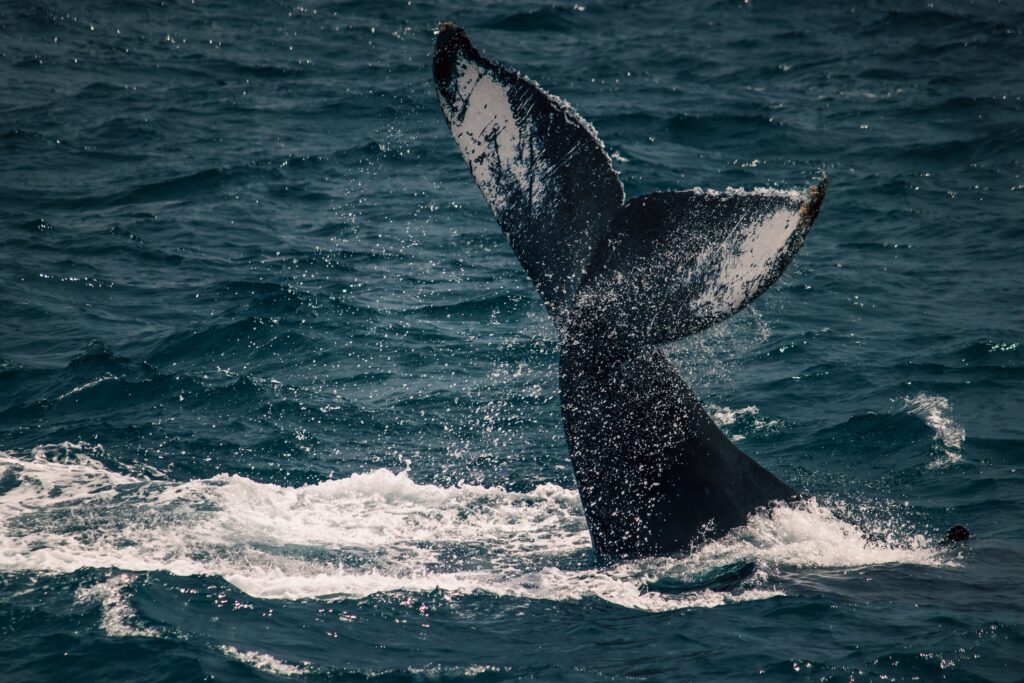
In other words, the only way to see a blue whale—the largest animal on Earth—is essentially to observe one in the wild at sea.
Introducing other animals

コメント