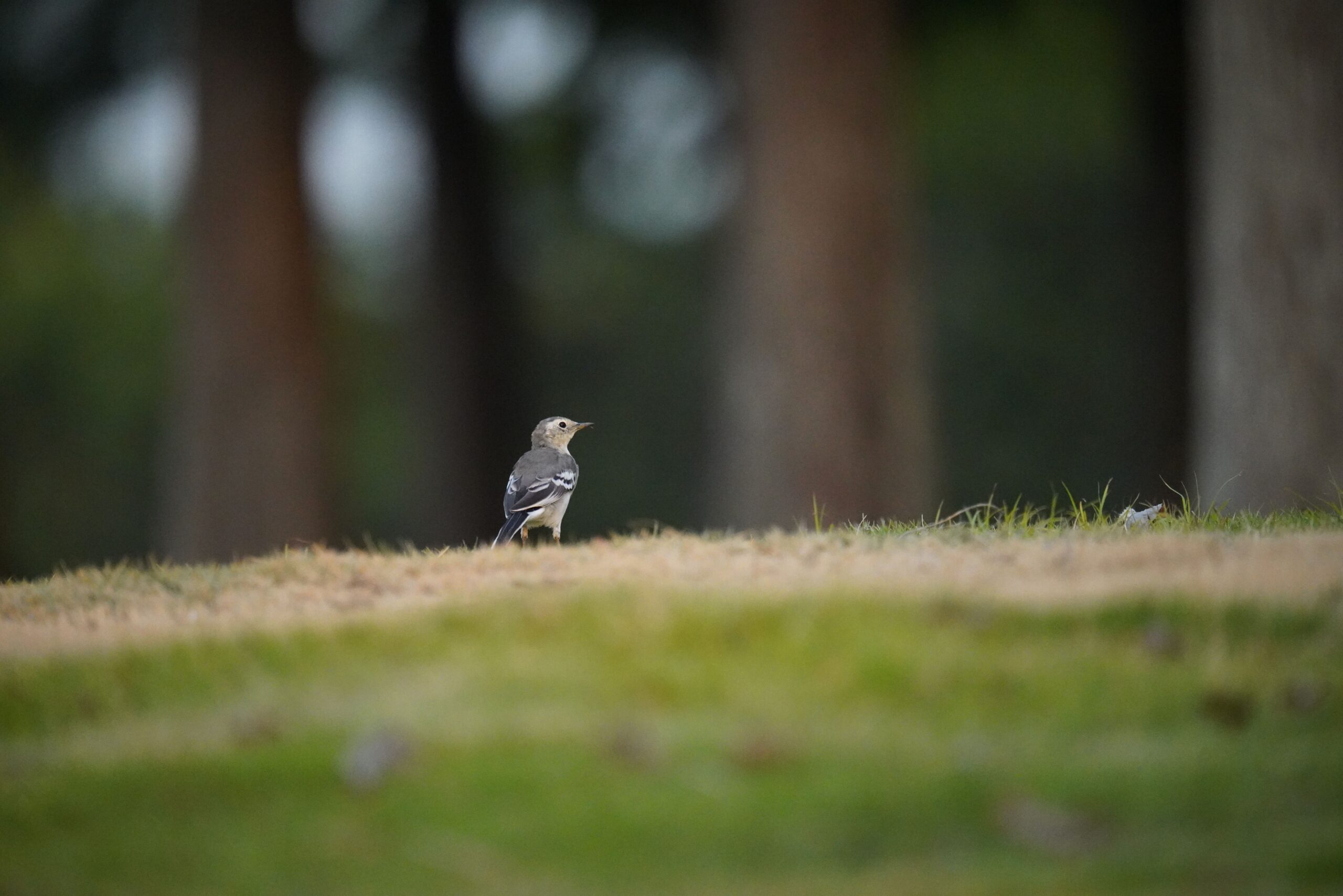
What kind of bird is Light-vented Bulbul? We will explain its characteristics, ecology, and habitat. It is a very cute bird, smaller than the bulbul. It got its name because its head is very white. This bird can be seen mainly in Japan, and can be observed throughout Okinawa.








- What is Light-vented Bulbul? About basic status
- What are the roots and origins of the Light-vented Bulbul?
- About habitat
- feature is? What kind of creature is it?
- What does the ecology look like?
- About Molting
- About Their Calls
- Seasonal Activities
- Regarding Flight Speed
- About Sturnus sinensis Chicks
- Is the white beetle an endangered species?
- Can white beetles be kept as pets?
- Zoos where they are kept (Japan & Worldwide)
- Introducing other animals
What is Light-vented Bulbul? About basic status
The white-bellied cicada is a bird classified in the Bulbulidae family. The total length is only 19 cm, making it a very cute bird. Its scientific name is Pycnonotus sinensis, and in Taiwan it is called bald goose. We will introduce the information in a list.
| Japanese(和名) | シロガシラ |
| English(英名) | Light-vented Bulbul |
| scientific name(学名) | Pycnonotus sinensis |
| classification(分類) | Ave、 Passeriformes、Pycnonotidae、Pycnonotus 鳥綱、スズメ目、ヒヨドリ科、シロガシラ属 |
| IUCN Status(保全状況) | LEAST CONCERN |
| Length(全長) | 19cm |
| Weight(体重) | 0.5kg |
What are the roots and origins of the Light-vented Bulbul?
The Light-vented Bulbul (Pycnonotus sinensis) originated from the mainland of southern East Asia—specifically the region centered on southern China—and belongs to the bulbul family (Pycnonotidae).
Origins: Ancestors were “tropical to subtropical bulbuls”
The family Pycnonotidae, to which the Light-vented Bulbul belongs, consists of small- to medium-sized forest-dwelling birds distributed primarily across the tropical and subtropical regions of Africa and Asia.
The general evolutionary trajectory is as follows:
Ancestral bulbul lineage
↓
Expansion into Southeast Asia and southern China
↓
Adaptation to forests and agricultural areas
↓
Differentiation into the modern Light-vented Bulbul (Pycnonotus sinensis)
The bulbul family itself diversified within the forest environments of tropical Asia; the Light-vented Bulbul is considered a species that adapted to the East Asian environment relatively recently within this group.
When did it evolve into the modern Light-vented Bulbul?
While there are few precise fossil records, genetic studies suggest that the Light-vented Bulbul lineage diverged into regional populations during relatively recent geological times.
Currently recognized major lineages include:
Mainland China lineage
Pycnonotus sinensis
Hainan Island lineage
Pycnonotus sinensis hainanus
Taiwan lineage
Pycnonotus sinensis formosae
Yaeyama lineage
Pycnonotus sinensis orii
Populations in areas like Taiwan and Hainan Island, in particular, developed unique characteristics due to isolation by the sea. This is an evolutionary phenomenon known as “island evolution” (or insular evolution).
Why is its head white?
From an evolutionary perspective, the distinctive white head may serve the following purposes:
① Recognition among the flock
In forests and thickets, facial and head markings serve as visual cues for recognizing other members of the same species.
② Attracting a mate
Among birds, facial and head patterns can play a role in mate selection.
③ Fixation of the characteristic as a species
Over a long period of genetic change, the “white head” became established as a defining characteristic of the species known as the Chinese Bulbul (Shirogashira).
Taxonomy of the Japanese White-headed Starling
| 分類階層 | 名称 |
|---|---|
| 界 (Kingdom) | Animalia(動物界) |
| 門 (Phylum) | Chordata(脊索動物門) |
| 綱 (Class) | Aves(鳥綱) |
| 目 (Order) | Passeriformes(スズメ目) |
| 科 (Family) | Sturnidae(ムクドリ科) |
| 属 (Genus) | Sturnus(ムクドリ属) |
| 種 (Species) | Sturnus sinensis(シロガシラ) |
About habitat
White-crowned nighttails can be found in Okinawa, Japan, and even in Taiwan.
- Global Distribution
Live mainly in East Asia
China, Taiwan, and the southern part of the Korean Peninsula
In Japan, they are established in the Ryukyu Islands (including the Okinawa Islands)
Some species may even migrate to Southeast Asia
- Distribution within Japan
Main habitat: Ryukyu Islands, including Okinawa Island, the Amami Islands, and the Yaeyama Islands
Rarely seen in Honshu or Hokkaido, they are restricted to warmer southern regions
Adapted to live in urban areas and farmland
Found on power lines, street trees, gardens, and parks
- Habitat Characteristics
Cities and residential areas: Adapted to human habitation
Farmlands and orchards: Used for feeding on insects and fruit
Forest edges and woodlands: Nest in tree cavities and treetops during the breeding season
Flock life: In winter, they travel in small flocks of several dozen birds
feature is? What kind of creature is it?
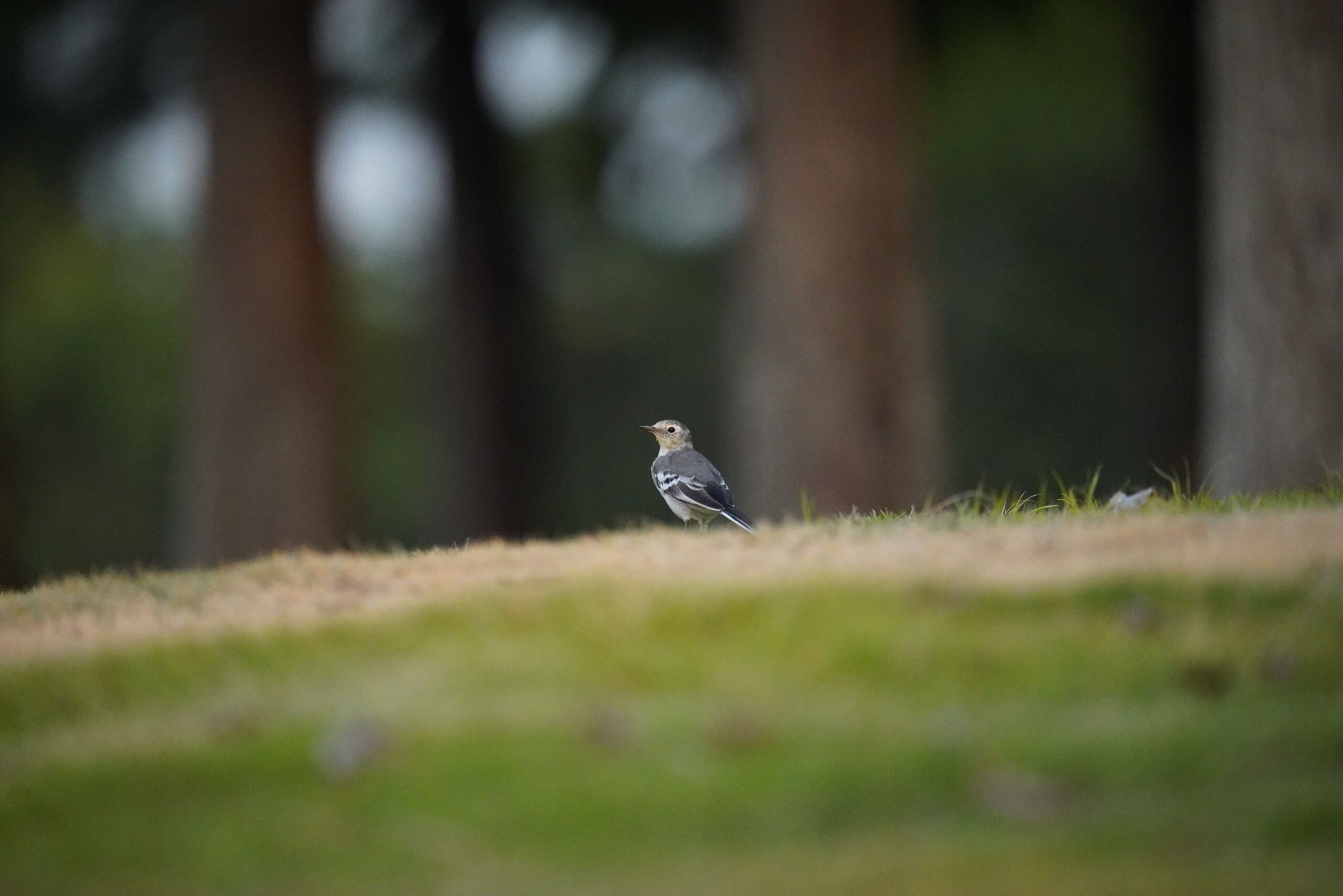
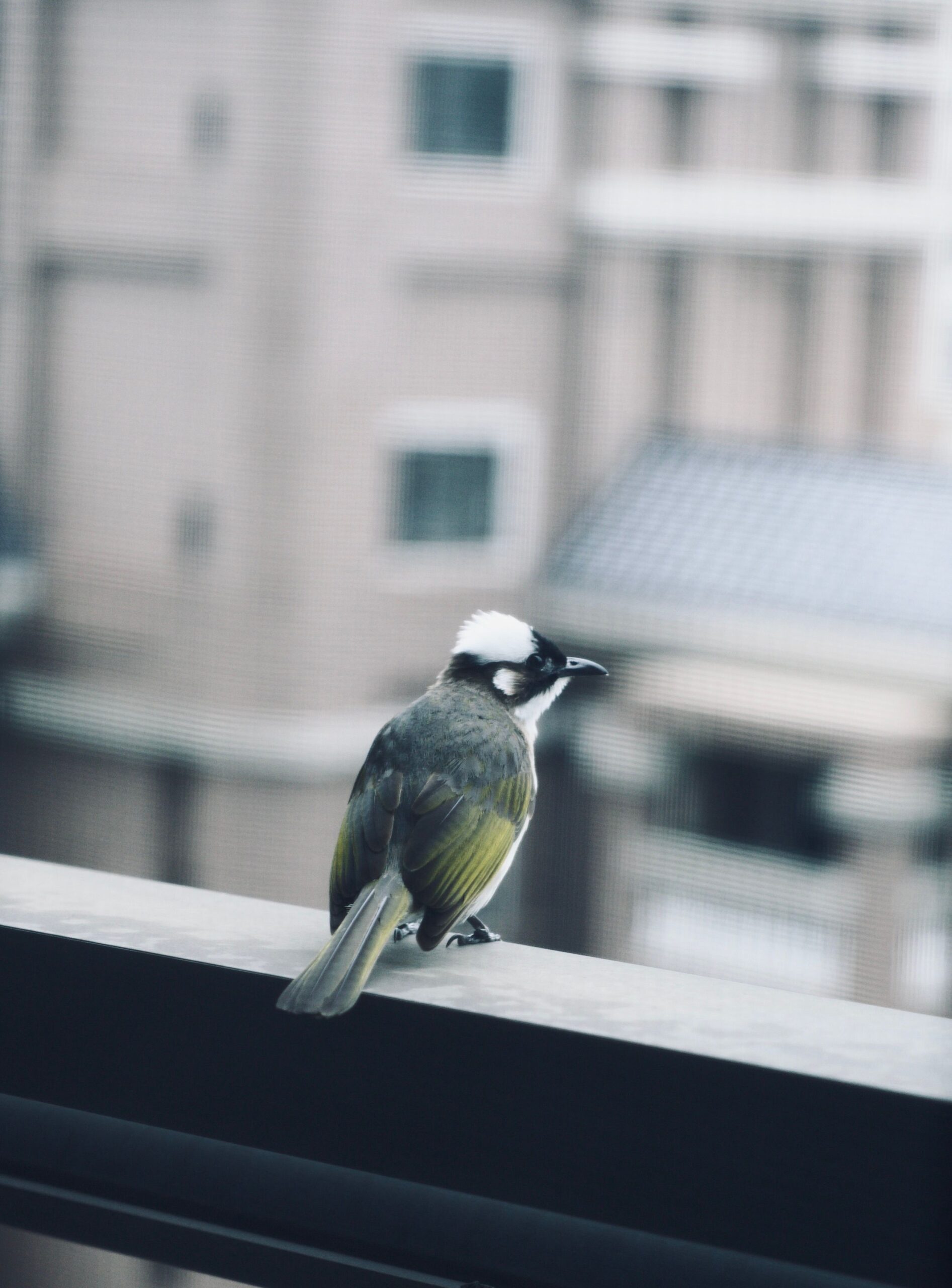
The Shirogashira got its name from the white top of its head. It is closely related to bulbuls, and its main characteristic is that it has a beautiful cry similar to that of thrushes. The back is dark olive and the underside is white. This bird prefers to live in bushes, on trees, on power lines, around forests, and in green spaces. It is a resident bird.
- Appearance
Body Shape/Size
Body Length: Approximately 23 cm (medium-sized starling)
Body Type: Slightly larger than a sparrow, with a sturdy build
Feather Color
Head: Whitish, with a distinctive “white head” as its name suggests
Back/Wings: Grayish-brown to dark brown
Belly: Light gray
Tail: Slightly short and rounded
Head/Bill/Eyes
Bill: Black and slightly thick
Eyes: Dark
Overall coloration is subdued, but the white head stands out.
- Ecology & Behavior
Diet
Omnivorous
Insects (adults and larvae), spiders, earthworms
Also eats fruits, seeds, rice, and other fruit
Foraging Methods:
Pecks on the ground
Preys on fruits and insects in trees
Behavior & Habits
Often lives in flocks
Forms small flocks of several dozen birds in winter
Flight:
Nimble and fast, they fly in coordinated groups
Calls:
Similar to starlings, with slightly less vocal variation
Breeding
Builds nests in tree hollows or crevices in buildings
Nesting materials include grass and feathers
Egg size per clutch: 4-6 eggs
Sociality
Highly social, they stay in flocks to ensure safety
Adapted to human habitats such as cities and farmlands
- Lifestyle Characteristics
Breeding Season: Spring to early summer, nesting in tree holes or buildings
Winter: Forms flocks and lives in farmland, cities, and parks
Adaptability: Able to live in temperate and urban environments
What does the ecology look like?
White-bellied beetles live by eating insects and fruits. The reproductive form is oviparous. They lay 3 to 4 eggs at a time from March to September every year. It is said that the lifespan of the white-tailed grass is about 10 years.
- Diet and Foraging Behavior
Omnivorous Bird
Insects (adults and larvae), spiders, earthworms, and other small animals
Also eats fruits, seeds, rice, and vegetables
Foraging Methods
Pecks on the ground
May also hunt for fruit and insects in trees
Forages in Flocks
In winter, they travel in flocks of several dozen birds to efficiently search for food
- Breeding
Breeding Season: Spring to Early Summer (April to July)
Nest Building
Nests in tree cavities, crevices in buildings, and nest boxes
Nesting Materials: Grass and feathers
Eggs and Incubation
Egg Number: Approximately 4-6 per breeding
Incubation Period: Approximately 12-14 days (female incubates)
Chick Rearing
Parents bring food until the chicks leave the nest
They leave the nest at about 2 weeks of age and gradually begin learning to fly
- Flocking and Sociality
They form small to medium-sized flocks (of about a few dozen birds) in winter.
They forage and rest in flocks to ensure safety.
They are well adapted to human habitations, such as urban areas and farmlands.
- Migration
The Japanese White-crowned Crane is a resident or partially migratory bird.
They are almost resident in the Ryukyu Islands.
They may migrate seasonally at their northern limit and in some areas.
They often fly in coordinated flocks.
- Habitat Adaptation
Cities and residential areas: Street trees, power lines, gardens, etc.
Farmlands and orchards: Feed on insects and fruit.
Forest edges and woodlands: Use for nesting during the breeding season.
They have a flexible environmental adaptability, allowing them to live in human habitations.
Are there any natural enemies?
The white-bellied beetle is a very small bird, so its natural enemies are larger birds.
About Molting
Molting in the Light-vented Bulbul (Pycnonotus sinensis) is a vital physiological process in which old feathers are replaced with new ones. It occurs annually to maintain flight capability, body temperature regulation, and reproductive health.
Timing of Molting
Molting in the Light-vented Bulbul generally takes place:
From late summer to autumn (around August to November).
The cycle proceeds as follows:
Breeding season (spring to early summer)
↓
Completion of chick-rearing
↓
Physical recovery
↓
Full-body molt (summer to autumn)
↓
Overwintering in winter plumage
In warmer regions, such as Okinawa, Japan, the molting period may be slightly prolonged due to climatic conditions.
Which feathers are replaced?
The Light-vented Bulbul undergoes a “full-body molt.”
Key feathers replaced include:
① Flight feathers (remiges)
The primary feathers of the wing.
Generate lift for flight
Prone to wear and tear
Replaced sequentially over a period of weeks to months
To avoid losing the ability to fly—which would happen if too many were lost at once—the replacement process is balanced between the left and right wings.
② Tail feathers (rectrices)
Tail feathers are used for:
Controlling direction during flight
Braking upon landing
Old tail feathers are replaced with new ones; some individuals may appear to have shorter tails during the molting process.
③ Body feathers
Feathers on the chest, back, and belly are also replaced.
New feathers are characterized by:
High oil content
Vivid coloration
Superior heat retention
About Their Calls
The call of the Light-vented Bulbul (Pycnonotus sinensis) is one of its most distinctive identifying features. Beyond its appearance, the bird is known as a “songbird” capable of complex vocal phrasing.
Basic Calls
The Light-vented Bulbul’s characteristic calls are high-pitched and bright, sounding like:
“Pii-yo, pii-yo”
“Piriri, piriri”
“Chui-chui, pii-yo”
While its close relative in Japan, the Brown-eared Bulbul (Hypsipetes amaurotis), emits a sharp “Hii-yo, hii-yo,” the Light-vented Bulbul has a lighter, more flute-like tone.
Types of Calls
Light-vented Bulbuls vary their vocalizations depending on the situation.
① Warbling (Song)
Used primarily during:
The spring-to-summer breeding season
Male territorial displays
Courtship (attracting females)
Characteristics:
Long phrases
A wide variety of sounds
Individual variation
Even birds in the same region may exhibit differences akin to “dialects.”
② Short-range Communication
Within flocks or pairs, they use short calls such as:
“Tchi”
“Pi”
“Kuku”
Purposes include:
Locating flock mates
Signaling movement
Alerting others
③ Alarm Calls
When sensing predators or danger, they:
Emit short, sharp sounds
Call repeatedly
Gather other birds
Targets include:
Birds of prey
Snakes
Cats
Humans
Why Do They Call So Often?
The reason Light-vented Bulbuls call frequently lies in their lifestyle.
Arboreal and flock-oriented
They do not live deep within dense forests; instead, they inhabit open areas such as:
Forest edges
Orchards
Parks
Residential areas
Consequently, vocal communication plays a crucial role in their lives.
Seasonal Activities
The annual activity cycle of the Light-vented Bulbul (Pycnonotus sinensis) is adapted to the temperate climate of East Asia, progressing through stages of breeding, rearing young, molting, and preparing for winter.
🌸 Spring (March–May) — Breeding and Territory Establishment
Spring is the period of peak activity for the Light-vented Bulbul.
Key Activities
Males sing vigorously
Establishing territories
Pair formation
Beginning nest construction
Vocalizations
From early morning onwards, there is an increase in:
Long, elaborate songs
Complex melodic phrases
Repetitive singing patterns
Males perch on high branches to announce their presence to the surrounding area.
Diet
Nutritional needs rise during the breeding season, leading to increased consumption of:
Insects
Larvae
Spiders
New shoots
Fruit
They specifically gather protein-rich insects to feed their chicks.
☀️ Summer (June–August) — Rearing Young and Fledgling Growth
Summer is the busiest time in the life of the Light-vented Bulbul.
Nest Building and Egg-Laying
Nests are primarily built in:
Shrubs
Thickets
Fruit trees
Hedges
Materials used include:
Dried grass
Twigs
Plant fibers
Rearing Young
Parent birds make frequent trips to deliver food.
Food for chicks includes:
Insects
Small arthropods
Soft fruits
During this period, the birds become highly vigilant, emitting alarm calls if humans or animals approach the nest.
Fledgling Independence
In the latter half of summer:
Young birds practice flying
They learn foraging techniques from their parents
They begin to form small flocks
🍂 Autumn (September–November) — Molting and Food Procurement
Autumn is a time of significant physical change.
Molting
After the breeding season concludes:
Old feathers are shed
New feathers grow in
The entire plumage is renewed
Some individuals may exhibit slightly unstable flight patterns during this time. Changes in Diet
As the insect population declines,
nuts,
fruits,
seeds,
and ripe crops
become increasingly important food sources.
The Light-vented Bulbul is highly adaptable to a fruit-based diet, allowing it to survive the food scarcity of autumn and winter.
❄️ Winter (December–February): Flocking and Energy Conservation
Winter is a relatively quiet period when breeding activity ceases.
Behavior
They increasingly:
move in small flocks,
share feeding grounds,
and rest in safe locations.
Food
In winter, they feed on:
nuts,
fruits,
nectar,
and remaining insects.
In warmer regions, they remain highly active throughout the year and do not enter a state of dormancy or hibernation.
Regarding Flight Speed
The flight style of the Light-vented Bulbul (Pycnonotus sinensis) is not one of high-speed flight like that of a peregrine falcon; rather, it is adapted for agile movement through forests and thickets.
Maximum Flight Speed
While there is little research data measuring the exact top speed of the Light-vented Bulbul, estimates based on its physique and the flight capabilities of closely related bulbul species suggest the following:
Normal flight: Approximately 20–35 km/h
Short-distance escape flight: Around 40–50 km/h
(Note: These figures refer to horizontal flight speed, not the diving speeds seen in birds of prey.)
Flight Characteristics
The Light-vented Bulbul combines powered flight (flapping) with gliding.
Characteristics:
Flapping a few times
Closing the wings slightly while moving forward
Flapping again
This results in an undulating flight pattern.
This style is well-suited for:
Conserving energy
Moving quickly between trees
Escaping from predators
Secrets of Flight Capability
① Small yet powerful wings
Although the Light-vented Bulbul measures only about 18–20 cm in length, it possesses wings that are substantial relative to its body size.
This enables it to excel at:
Making sharp turns
Landing on tree branches
Short-distance dashes
② Flight suited for woodland environments
Rather than flying for long periods in open skies, it is specialized for:
Moving from tree to tree
Navigating through thickets
Foraging for fruit
Its wing shape is also designed for:
Agility and bursts of speed
Rather than long-distance cruising
About Sturnus sinensis Chicks
This article provides a detailed overview of the characteristics and ecology of Sturnus sinensis chicks (young birds).
- Birth and Nest
Hatching Period: Spring to Early Summer (Breeding Season, April to July)
Number of Eggs: Approximately 4-6 per clutch
Incubation Period: Approximately 12-14 days (female incubates)
Nests: Built in tree hollows, crevices in buildings, or nest boxes
- Appearance (Chick Feathers)
Plumage Color: Newly hatched, fluffy down feathers
Grayish-brown to pale brown, sometimes with mottled patterns
Dull coloring protects them from predators
Body Shape: Small and round, but with a strong beak and eyes, and capable of pecking for food from their parents
- Behavior and Development
Parental Care: After hatching, the parents feed them and protect the nest.
Foraging Practice: Within a few days of birth, they begin practicing pecking for food with their beaks.
Fledge: They leave the nest at approximately two weeks of age and initially fly low.
Flocking Behavior: Even after fledging, they may form small flocks with siblings or nearby young birds.
- Growth Stages
0-2 Weeks: They are protected by their parents in the nest, wrapped in down and fed. Around 2 Weeks: They begin to leave the nest and practice foraging by flying low. 3-4 Weeks: Their plumage approaches that of an adult, improving their flight ability. Over 1 Month of Age: They join the flock independently and are fully adapted to foraging and flight.
- Biological Characteristics
From the chick stage, they develop foraging and flight abilities while receiving parental protection.
They rely on the nest and flock for protection from predators.
They learn their omnivorous habits from the behavior of their parents.
Is the white beetle an endangered species?
The white-bellied beetle is not an endangered species. In fact, they tend to destroy crops and are even exterminated as pests.
- International Status (IUCN)
IUCN Red List: Least Concern (LC)
Reason:
Wide distribution range and relatively large population
No significant declines have been reported
- Status in Japan
Not listed as endangered in Japan
Distributed primarily in the Ryukyu Islands (Okinawa, Amami, and Yaeyama Islands), where populations are stable
Localized habitat loss due to urban development and deforestation has occurred, but overall population decline is not expected
- Conservation Considerations
Capturing and destruction of nests may be prohibited (e.g., under the Wildlife Protection Act)
Habitat conservation in the Ryukyu Islands is important for maintaining populations in the future.
Can white beetles be kept as pets?
Breeding Shirogashira can be difficult. They don’t feel attached to humans. Please take a look at the photos and images posted on the internet and in the community.
- Can They Be Raised?
The Japanese white-crowned crested cricket is a wild bird and is generally not sold as a pet.
In Japan, capturing wild individuals is prohibited (under the Wildlife Protection Act), so as a general rule, they cannot be kept as pets.
Keeping is limited to individuals born in breeding farms or those with permission.
- Difficulties of Raising
A highly social bird that lives in groups.
Keeping them alone can easily cause stress.
They have an omnivorous, wide-ranging diet, so dietary management is required.
They require a balanced diet of insects, fruit, and seeds.
They have high flying ability and require a lot of exercise.
They require a large cage and an environment where they can fly around.
They have a wide variety of calls and are noisy.
They are difficult to raise in urban homes.
- Overall Evaluation
Japanese white-crowned crested crickets are not suitable as pets.
Keeping them requires specialized knowledge and equipment, making them impractical for an average household.
It is safer and more suitable to observe them in the wild than to keep them as pets.
Zoos where they are kept (Japan & Worldwide)
The Light-vented Bulbul (Pycnonotus sinensis) is a bird rarely exhibited in zoos.
This is because it is not a rare species—being commonly found in regions such as southern China and Taiwan—and zoos tend to prioritize exhibiting rarer members of the bulbul family or tropical bird species. Its distribution range includes southern China, Hainan Island, Taiwan, and northern Vietnam.
🇯🇵 Facilities in Japan where they may be kept or observed
Okinawa Zoo & Museum (Okinawa City)
Light-vented Bulbuls inhabit the wild in Okinawa, and there are records of sightings in the vicinity of the facility.
Characteristics:
Fits well with exhibits showcasing Okinawa’s natural environment
Sometimes treated as a subject for wild bird watching
Presence of permanently exhibited individuals varies by season
🇹🇼 Situation in Taiwan
In Taiwan, the Light-vented Bulbul is a very familiar bird; it is a species better suited to nature observation than zoo exhibition.
Taipei Zoo
Features extensive exhibits of birds native to Taiwan and Asia.
However, since the Light-vented Bulbul is a common species in Taiwan, it is not necessarily displayed in a dedicated enclosure.
In Taiwan, they can be easily observed in:
Parks
Forests
Farmland
Urban areas
The Light-vented Bulbul is a bird that adapts well to both agricultural land and urban parks.
Introducing other animals

コメント