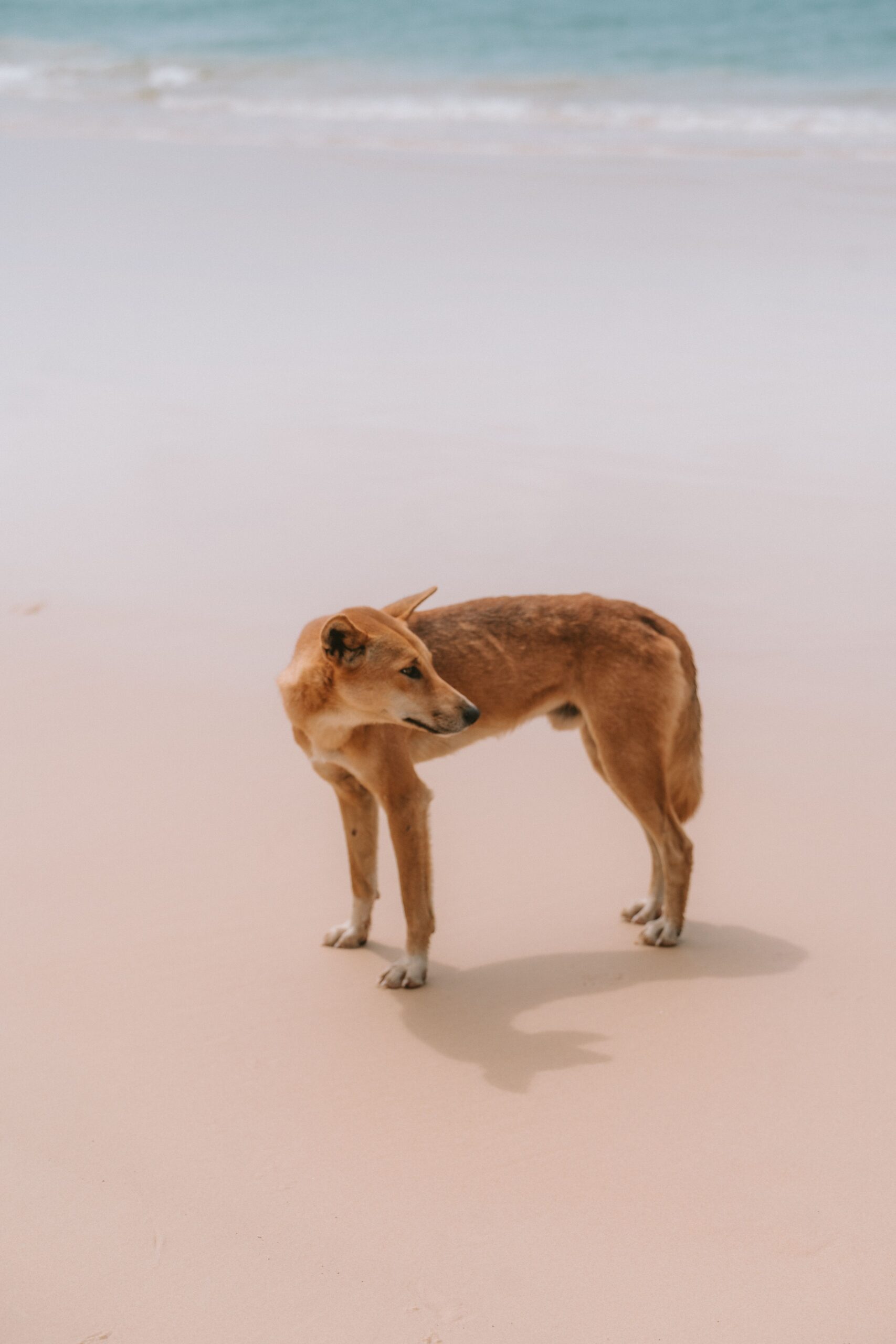
What kind of animal is a dingo? We will explain its characteristics, ecology, and habitat. This animal is an Australian or Asian dog and is considered a type of wild dog. Dingoes are thought to be descendants of Asian dingoes that migrated to the Australian continent about 3,000 to 4,000 years ago.



- What is a dingo? About basic status
- What are the roots and origins of the dingo?
- Where do dingoes live?
- feature is? What kind of creature is it?
- What will your personality look like?
- What is the ecology like?
- Dingo Vocalizations
- Seasonal Activities
- Walking Speed
- About Dingo Pups
- Are dingoes an endangered species?
- Can dingoes be kept?
- Zoos Housing Dingoes (Japan & Worldwide)
- Introducing other animals
What is a dingo? About basic status
The dingo is an Australian and Asian dog that is a subspecies of the timber wolf. The body length is about 1 m and the weight is 10 to 15 kg. The scientific name is Canis lupus dingo. Dingoes are known as Australia’s wild dogs. Official history says that they are descendants of Asian dingoes that migrated to the Australian continent about 3,000 to 4,000 years ago.
| Japanese(和名) | ディンゴ |
| English(英名) | dingo |
| scientific name(学名) | Canis lupus dingo |
| classification(分類) | Mammalia、 Carnivora、Canidae、Canis 哺乳綱、ネコ目、イヌ科、イヌ属 |
| IUCN Status(保全状況) | VULNERABLE |
| Length(体長) | 1m |
| Weight(体重) | 10 ~ 15kg |
What are the roots and origins of the dingo?
The roots of the dingo lie in ancient dogs from Southeast Asia. Today, the dingo is recognized as a canid closely related to wolves and domestic dogs; the prevailing theory is that they arrived in Australia alongside humans several thousand years ago.
Origins
Classification
Class: Mammalia
Order: Carnivora
Family: Canidae
Genus: Canis
There is debate regarding the classification of the dingo;
it is sometimes treated as Canis dingo (a distinct species)
or as Canis lupus dingo (a subspecies of the gray wolf).
In recent years, many studies have classified it as a subspecies of the wolf.
Ancestry
The dingo’s ancestors are believed to be early domestic dogs from Southeast Asia, or populations of such dogs that had reverted to a wild state.
Genetic research has revealed a very close relationship
with the modern New Guinea singing dog.
Arrival in Australia
It is believed that dingoes accompanied humans—such as the ancestors of Aboriginal Australians or seafaring peoples from Southeast Asia—when they traveled to Australia by boat.
Research into the timing of their arrival is ongoing;
fossil evidence confirms their presence in southern Australia by approximately 3,300 to 3,100 years ago.
This suggests a more recent arrival than the previously held theory of 4,000 to 5,000 years ago.
Feralization and Evolution
After becoming feral in Australia, dingoes
adapted to diverse environments, including
vast arid regions,
forests,
grasslands,
and coastal areas.
About classification
Dingoes are believed to be descendants of Asian dingoes that migrated to Australia thousands of years ago. There are some classification theories that classify it as a subspecies of the gray wolf, and some that classify it as an independent species.
Kingdom, Phylum, and Class
Kingdom: Animalia
Phylum: Chordata
Class: Mammalia
Order: Carnivora
Family: Canidae
Genus: Canis
Genus: Canis
Species:
Commonly referred to as Canis lupus dingo (when treated as a subspecies of the wolf)
Also sometimes referred to as a separate species, Canis dingo.
Where do dingoes live?
The dingo is famous as a wild dog from Australia, but it is said that it was originally distributed in Southeast Asia, and is said to have spread when Austronesians brought it to the Australian continent.
- Geographic Distribution
Found throughout Australia.
Distributed widely from inland to coastal areas, particularly in Queensland, the Northern Territory, New South Wales, and Western Australia.
Some individuals have adapted to living near human settlements and ranches.
- Habitat
Inhabits a diverse range of environments, including arid zones, deserts, grasslands, forests, and mountains.
Uses forests and thickets for burrows and resting areas.
Tends to prefer areas near water sources.
- Behavior and Living Area
Nocturnal and crepuscular, they often rest in burrows or thickets during the day.
Travels in packs, cooperating in hunting and territorial defense.
Depending on the individual or pack, their range can range from tens to hundreds of square kilometers.
- Food
Feeds on small mammals, birds, reptiles, fruit, and occasionally livestock.
Adapts to their diet flexibly depending on the habitat.
feature is? What kind of creature is it?
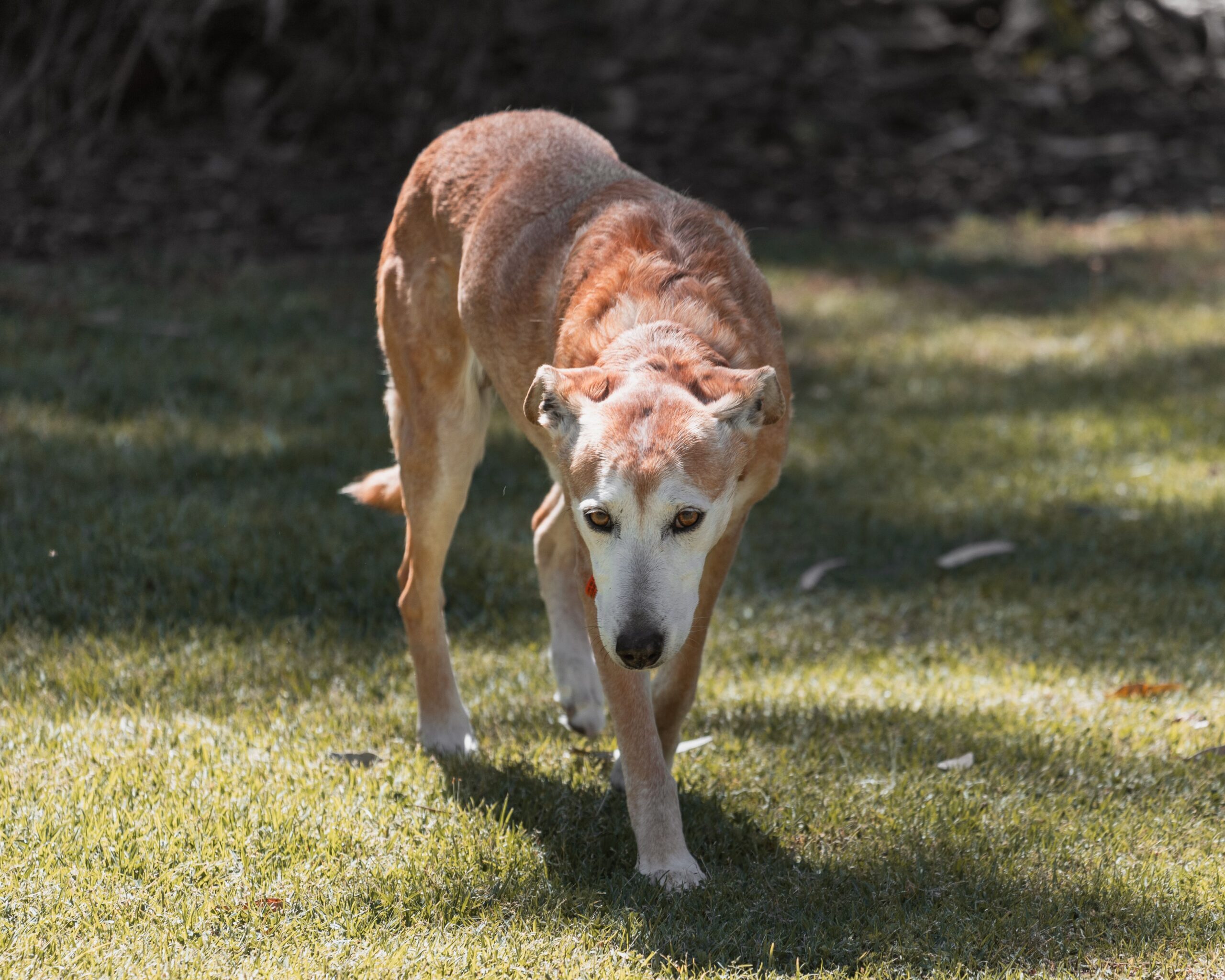
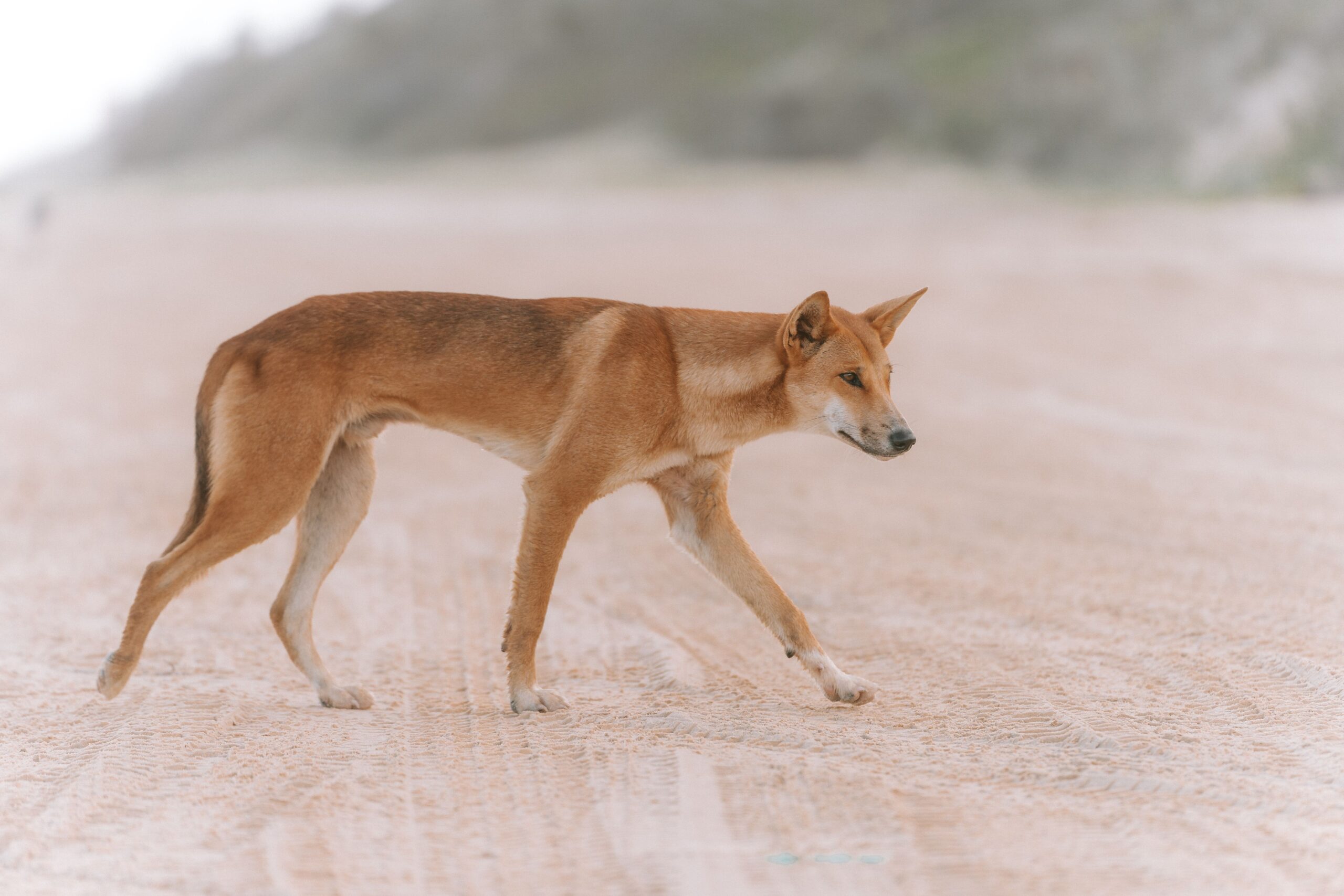
Dingoes work alone or in groups. Most have tan fur and vertical ears. Dingoes have a double coat, but dingoes that live in the north have a single coat. They live in deserts, grasslands, and even forests in Australia. They often live in groups. Unlike dogs, dingoes don’t often bark.
- Physical Characteristics
Body Length: Approximately 117-140 cm (including tail), Height: Approximately 50-60 cm, Weight: Approximately 13-24 kg.
Coat Color: Generally yellowish-brown to reddish-brown, with some individuals having a white chest, feet, and tail. Black or gray is also occasionally seen.
Body Type: Slim, muscular, and highly agile. Upright ears, medium-long tail with a bushy tip.
Face similar to a wolf, with sharp, wild-looking eyes.
- Behavior and Lifestyle
Live in packs, working together to hunt and defend territory.
Primarily nocturnal and crepuscular, they rest in bushes or burrows during the day.
Highly agile and endurance, they hunt small to medium-sized mammals and birds.
- Ecological Characteristics
Highly adaptable, they can live in a variety of environments.
They feed on small mammals, birds, and fruit, and occasionally prey on livestock and poultry.
They are social, with well-developed pack hierarchy and cooperative behavior.
- Impression
As wild dogs, they are extremely agile, highly alert, and highly adaptable to their environment.
They are more wild than domestic dogs, exhibiting behavior and habits similar to wolves.
What will your personality look like?
Dingoes are very ferocious animals that can attack livestock and humans. They are said to be extremely difficult to train, making them difficult to keep as pets, and in nature they are said to be similar to wolves, making it difficult for them to coexist with other animals. It is often featured in local news and other special features.
- Vigilance and Cautiousness
Very cautious and wary.
When encountering humans or other animals, they maintain their distance and act cautiously.
They have a strong instinctive sense of caution to survive in the wild.
- Independence and Sociality
They are primarily social, living in packs.
They are cooperative and maintain order within the pack, but are independent outside.
They are territorial and will protect their boundaries with other dingoes and predators.
- Patience and Hunting Instinct
During ambush and pursuit hunts, they patiently corner prey.
They are highly intelligent and observe the environment and prey behavior to hunt efficiently.
- Adaptability
They can adapt flexibly to not only natural environments but also farmland and human settlements.
They can change their diet and behavior patterns to suit their environment.
What is the ecology like?
Dingoes hunt in packs and are carnivores. Dingoes breed only once, from autumn to early winter. Three to four babies are born at a time, and the male and female work together to raise them. Babies are separated from their parents when they are 6 to 8 months old. Dingoes are said to have a lifespan of around 10 years, but they are said to live longer if kept in captivity.
- Habitat
They live in a variety of environments throughout Australia, including arid zones, savannas, forests, and grasslands.
They rest during the day in burrows, bushes, or rock shelters, and are active at night.
They tend to prefer areas near water sources, but can also survive in arid regions.
- Diet
They are carnivorous, preying on small to medium-sized mammals, birds, reptiles, and insects.
They may also eat fruit and scraps when food is scarce.
They hunt by ambush and pursuit, making use of their high agility and endurance.
- Behavior
They are primarily nocturnal and crepuscular. They hide and rest during the day.
They often travel in packs, working together to hunt and defend their territory.
Depending on the individual or pack, their range can extend to tens or hundreds of square kilometers.
- Breeding
The breeding season is from spring to autumn.
Mothers give birth in dens, giving birth to litters of 2-5 puppies at a time.
The mother dogs work together to raise the pups, teaching them hunting and territorial defense.
- Sociality and Defense
Within the pack, there is clear hierarchy and cooperative relationships, which are put to good use in hunting and territorial defense.
When acting alone, they are highly vigilant and protect themselves from predators and humans.
Are there any natural enemies?
There are no carnivores like dingoes in Australia, so they have no natural enemies. Humans are, dare I say, the biggest threat.
Dingo Vocalizations
Dingoes have vocalizations that resemble those of both domestic dogs and wolves, though they do not bark as frequently as domestic dogs. Howling is central to their communication, and they employ a variety of vocalizations depending on the situation.
Howl
This is their most characteristic vocalization.
Sound
“Awooooo…”
Characteristics
Lasts anywhere from a few seconds to over ten seconds
Frequently heard from evening through the night
Can carry for several kilometers
Purpose
Communicating with pack members
Regrouping the pack
Asserting territory
Warning other dingoes
Short Bark
Sound
“Woof!”
“Wuff!”
Not as frequent as in domestic dogs.
Situations
When startled
Signaling danger
Warning others
Growl
Sound
“Grrrrr…”
Situations
Guarding food
Disputes over pack hierarchy
Intimidation
Whine
Sound
“Whine…”
“Yip…”
Situations
Pups calling for their mother
Seeking affection from pack members
Expressing anxiety or tension
Yelp
Sound
“Yip!”
Situations
Feeling pain
Being startled
Suddenly being attacked
Seasonal Activities
The dingo is a wild canid adapted to Australia’s diverse environments. They follow a life cycle aligned with the Southern Hemisphere’s seasons, breeding in winter and raising their young in spring.
🌸 Spring (September–November)
Key Activities
Peak period for raising young
Pups begin to venture outside the den
Parents and pack members bring food to the pups
Learning hunting skills and social behaviors
Characteristics
The entire pack may assist in raising the young.
Pups learn hunting and communication through play.
☀️ Summer (December–February)
Key Activities
Young dingoes begin to become independent
Hunting takes place primarily at night or in the early morning
Resting in the shade or in dens during the day to avoid the heat
Diet
Kangaroos and wallabies
Rabbits
Small mammals
Birds
Reptiles
Insects
Fruit (depending on the region)
🍂 Autumn (March–May)
Key Activities
Young individuals search for new territories
Strengthening pack bonds
Building up physical strength for the winter breeding season
Increased hunting activity
Characteristics
Home ranges expand, and some individuals travel long distances.
❄️ Winter (June–August)
Key Activities
Breeding season
Increased howling
Males and females form pairs
Birth occurs between late winter and spring following a gestation period of approximately 63 days
Reproduction
Typically produces a litter of 4 to 6 pups.
Pups are raised in a den.
Walking Speed
The dingo is a canid with exceptional endurance, possessing great ability to walk, run, and jump. They are particularly well-adapted for traveling long distances across the vast Australian landscape.
Normal Walking
They typically walk at speeds of around 3–6 km/h, moving slowly while tracking scents.
When foraging or patrolling their territory, they can maintain a steady walking pace for extended periods.
Brisk Walk / Trot
They can cover long distances at speeds of approximately 8–15 km/h.
This pace is commonly observed when the pack is on the move or searching for prey.
Top Speed
Top speed: Estimated to reach approximately 50–60 km/h.
They can only maintain this speed over short distances, typically reaching it when chasing prey or fleeing from danger.
Distance Traveled Overnight
Dingoes have a very wide home range;
10–20 km
Over 30 km under favorable conditions
…are distances they may cover in a single night.
In arid regions where food and water are scarce, instances of them traveling even greater distances have been reported.
Jumping Ability
Vertical: Approx. 2 m
Horizontal: Approx. 3–4 m
They are capable of jumping these distances, allowing them to easily clear obstacles such as fallen logs and rocky terrain.
About Dingo Pups
This section summarizes the development of dingo (Canis dingo/Canis lupus dingo) pups. As wild dogs, their developmental processes are adapted to the wild.
- Birth
Mothers give birth in safe places such as dens, bushes, or rock shelters.
They give birth to 2-5 puppies per litter.
Newborn puppies have closed eyes and thin, soft fur. They weigh approximately 300-400g.
- Growth
Puppies are completely dependent on their mothers for nursing.
They open their eyes around two weeks of age and begin to walk easily.
Weaning begins at four to six weeks of age, and they become accustomed to solid food such as small mammals and insects.
- Behavior
Initially, pups learn hunting skills while playing in dens under the mother’s protection.
Social learning also occurs during this period, as they learn rank and cooperative behavior within the pack.
They begin to hunt with their parents at around 2-3 months of age.
- Independence
At approximately 4-6 months of age, young animals gradually become independent and establish their own territories.
At this stage, their hunting abilities and survival skills mature, and they begin to live in packs.
Are dingoes an endangered species?
Dingoes are listed as an endangered species. Although they live in a certain number of people, they are considered pests because they attack and eat livestock, and there are many cases where they die as a result of retaliation. Although there is a large population of dingoes, interbreeding with dogs is progressing, and the number of purebred dingoes is decreasing.
- IUCN Classification
Dingoes are often not recognized by the IUCN as a separate species.
They are generally treated as a subspecies of the wolf (Canis lupus dingo).
Although not classified as endangered, wild dingo populations are declining.
- Causes of Population Decline
Conflict with Humans
Dingoes are often exterminated due to damage to livestock.
Hybridization
Pure dingo genes are being lost due to hybridization with domestic dogs.
Habitat Destruction
Natural habitats are shrinking due to agricultural land development and road construction.
- Conservation Status
In some parts of Australia, conservation efforts are being carried out in protected areas and national parks.
Conserving purebred dingoes and preventing hybridization are key issues.
Can dingoes be kept?
Dingoes are very aggressive animals and are not recommended for breeding. It is best to keep in mind that it is extremely difficult for ordinary people to keep them.
- Legal Restrictions
Wild dingoes are protected by law in Australia. Special permission is required for individual capture and captivity.
Private captivity in Japan and overseas is generally prohibited under the Wildlife Protection Act and import regulations. Captivity is permitted only in zoos and research facilities.
- Ecological and Behavioral Reasons
Dingoes are highly cautious and independent, making them unsuitable for domestic environments.
They require socialization in groups and a wide range of movement, and a small captive environment can cause significant stress.
Dingoes are predators, primarily feeding on small mammals and birds, making them difficult to raise on artificial diets.
- Captivity Requirements (for zoos and special permits)
They require ample space for exercise and an environment that allows for nocturnal activity.
Recreate hideouts and burrows to ensure psychological safety.
Food and an environment that stimulate their hunting instincts must be carefully selected.
To maintain sociality, it is preferable to keep them in groups.
- Difficulty in Health Management
As wild animals, they are susceptible to illness and stress.
Breeding and long-term survival in captivity requires advanced management.
Zoos Housing Dingoes (Japan & Worldwide)
Dingoes are kept in a relatively large number of zoos and wildlife parks in Australia. In contrast, very few facilities in Japan house them, and exhibition status may change depending on breeding plans or the transfer of individual animals.
Zoos in Japan
Kyushu Natural Zoological Park African Safari
Known as one of the few facilities in Japan that keeps and exhibits dingoes.
They can be observed as part of an exhibit featuring Australian wildlife.
*Note: Facilities housing dingoes in Japan are very limited; it is recommended to check the official website for the latest exhibition information before visiting.
Major Facilities in Australia
Australia Zoo
Exhibits dingoes.
Also engaged in conservation efforts for animals native to Australia.
Taronga Zoo Sydney
A prominent zoo where dingoes can be observed up close.
Features extensive educational exhibits on their ecology and conservation.
Healesville Sanctuary
A conservation facility specializing in Australian native species.
Exhibits are designed to make it easy to observe the dingoes’ natural behaviors.
Featherdale Sydney Wildlife Park
Exhibits a wide variety of Australian native animals, including dingoes.
Currumbin Wildlife Sanctuary
A facility dedicated to wildlife conservation and environmental education; dingoes are also kept here.
Introducing other animals
コメント