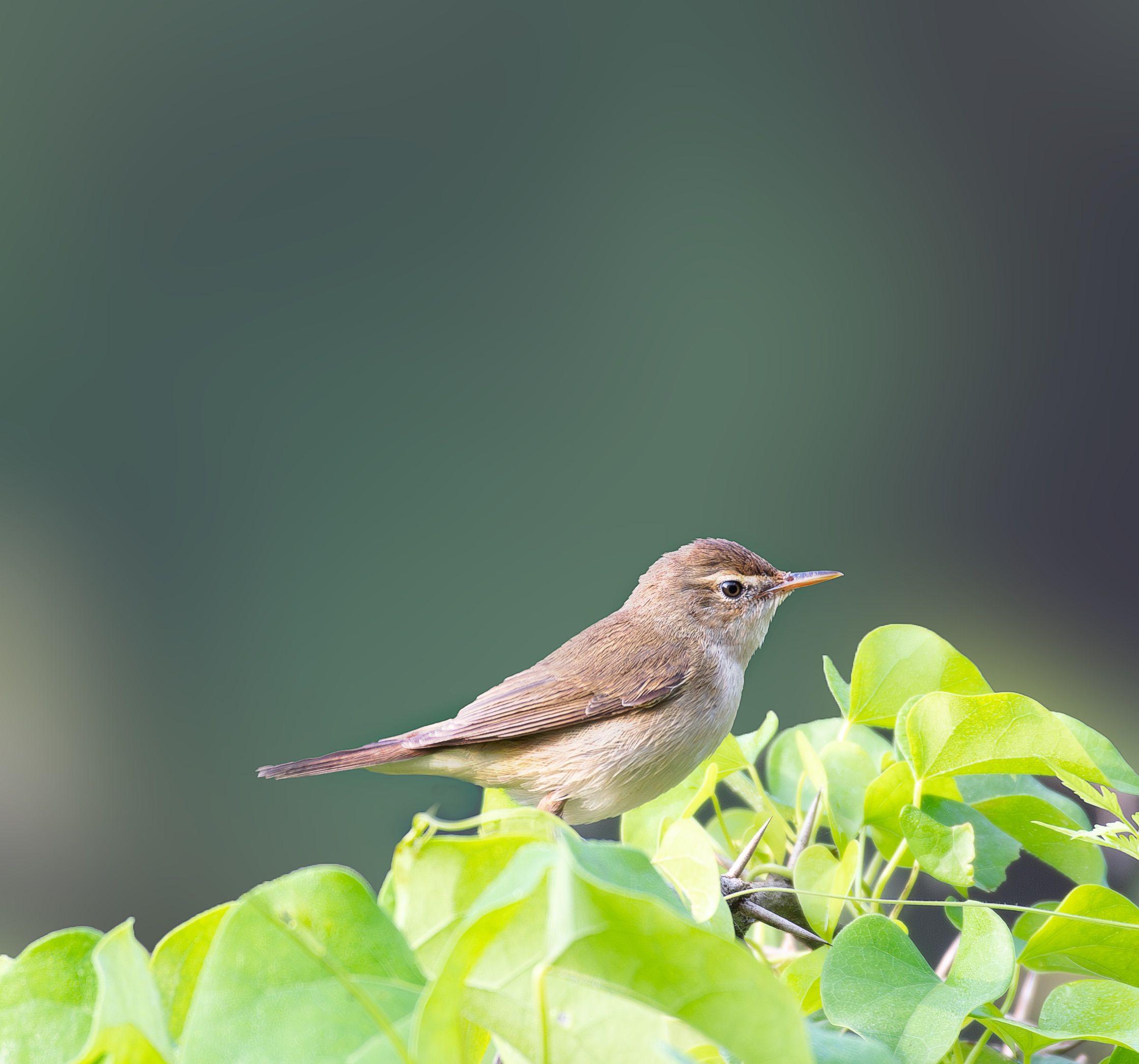
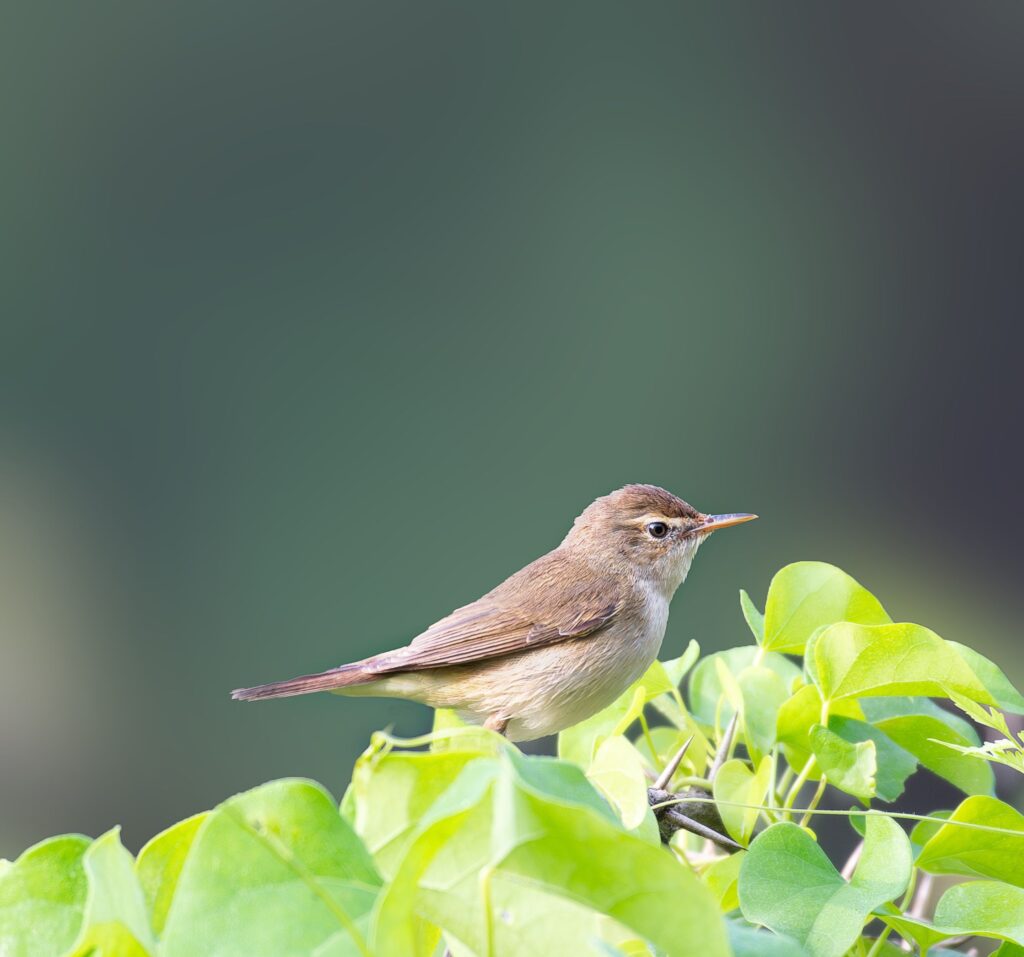
What kind of bird is a warbler? This time, we will introduce and explain the beautiful calls they make in nature, their characteristics, ecology, and habitat. Speaking of warblers, they are a standard wild bird that can be seen in Japan. In Japan, they can be seen from the plains to the mountains all over the country, so if you are interested, please come to Japan and admire this cute bird.





- What is a warbler? About basic status
- What are the roots and origins of the uguisu (Japanese bush warbler)?
- About habitat
- feature is? What kind of creature is it?
- What is your personality like?
- What does the ecology look like?
- About Molting
- About the Japanese Bush Warbler’s Calls
- Seasonal Activities
- Flight Speed
- About Japanese Bush Warbler Chicks
- Is the warbler an endangered species?
- Can warblers be kept as pets?
- Zoos Housing the Species (Japan & Worldwide)
- Introducing other animals
What is a warbler? About basic status
The warbler is a bird classified as a member of the genus Uguisidae in the order Passeriformes. The body length is 16 cm for males and 14 cm for females, and the wingspan is 21 cm for males and 18 cm for females. The scientific name is Horornis diphone, and the kanji is “Ugura” (Japanese nightingale). We will introduce the information in a list. It is one of the most representative birds in Japan. It is characterized by its spring chirping, which is often heard in the forest. Many real photos taken in nature are also posted online.
| Japanese(和名) | ウグイス |
| English(英名) | Japanese Bush Warbler |
| scientific name(学名) | Horornis diphone |
| classification(分類) | Ave、 Passeriformes、Cettiidae、Horornis 鳥綱、スズメ目、ウグイス科、ウグイス属 |
| IUCN Status(保全状況) | LEAST CONCERN |
| Length(全長) | 15cm |
| Weight(体重) | 0.3kg |
What are the roots and origins of the uguisu (Japanese bush warbler)?
The scientific name of the uguisu is Horornis diphone. While it is a quintessential Japanese songbird, its ancestors did not evolve solely in Japan; rather, they were small, scrub-dwelling birds that evolved within the forest environments of East Asia.
Ancestors: “Birds adapted to East Asian scrubland”
Taxonomically, the uguisu belongs to the order Passeriformes and the family Scotocercidae; it is currently classified in the genus Horornis. Although it was previously placed in the genus Cettia, its classification was revised following genetic research.
Its ancestral lineage likely followed this progression:
Small forest-dwelling birds of ancient East Asia
↓
Adaptation to scrub and shrubland
↓
Differentiation into the Horornis genus
↓
Evolution into the modern uguisu
When did they arrive in Japan?
While the exact timing of the uguisu ancestors’ arrival in the Japanese archipelago is unknown, the current populations are believed to have diverged during a relatively recent geological era.
Populations inhabiting islands, in particular, have undergone changes due to isolation. Research indicates that certain groups—such as those in the Izu and Ogasawara Islands—diverged relatively recently, with traits like body size shifting in response to island environments.
Origins of distribution
Today, the uguisu is distributed primarily across East Asia, including:
The Japanese archipelago
The Korean Peninsula
Eastern China
The area around Sakhalin
Taiwan
Some individuals migrate south during the winter.
The Japanese uguisu represents a population that has adapted to the environment of this island nation over a long period.
Why did it become a special bird in Japanese culture?
The primary reason the uguisu became famous in Japan is its song, which heralds the arrival of spring.
Historically, the Japanese people have viewed the uguisu as a symbol of:
Plum blossoms
The arrival of spring
The melting of snow
A new season
It frequently appears in waka poetry from the Heian period and is also known by the alternative name harutsuge-dori (“spring-announcing bird”).
Evolutionary Characteristics of the Japanese Bush Warbler
The Japanese bush warbler’s evolutionary characteristics lie more in its voice than in its appearance.
Physical Characteristics
Inconspicuous, brownish plumage
Small body suited for navigating thickets
Long legs for moving close to the ground
Survival Strategies
Prioritizes the ability to remain hidden over conspicuous coloration
Asserts territory through complex vocalizations
Utilizes environments with dense vegetation
In short, the Japanese bush warbler is a bird that has thrived thanks to its ability to hide and its singing voice, rather than a flashy appearance.
(Taxonomy of Japanese Bush Warbler)
| 分類階層 | 名称 |
|---|---|
| 界 (Kingdom) | Animalia(動物界) |
| 門 (Phylum) | Chordata(脊索動物門) |
| 綱 (Class) | Aves(鳥綱) |
| 目 (Order) | Passeriformes(スズメ目) |
| 科 (Family) | Cettiidae(ウグイス科)※旧ホオジロ科に分類される場合あり |
| 属 (Genus) | Horornis(ホロルニス属) |
| 種 (Species) | Horornis diphone(ウグイス) |
About habitat
The Japanese warbler lives in Japan.
- Global Distribution
Distributed mainly in East Asia
Japan (Honshu, Shikoku, Kyushu, and the Ryukyu Islands)
Korea, southern Korean Peninsula
Eastern China, Taiwan
Part of the Russian Far East
- Distribution within Japan
A resident bird distributed almost nationwide
Found from southern Hokkaido to Kyushu and Okinawa
During the breeding season, they nest in forest edges, underbrush, bamboo groves, and grasslands
- Habitat Characteristics
Forest edges, bamboo groves, and thickets
Active in shrubs and grasses that block visibility
Gardens and parks
Can survive in urban areas if there is underbrush
Bush-based lifestyle
Mainly active on the ground or on low branches, walking and hopping more than flying
- Seasonal Habitat
Spring to Summer (Breeding Season): Males declare their territory in forest edges, bamboo groves, and thickets
Autumn to Winter: Forage and rest in underbrush and shrubs; rarely in groups, mostly solitary
feature is? What kind of creature is it?
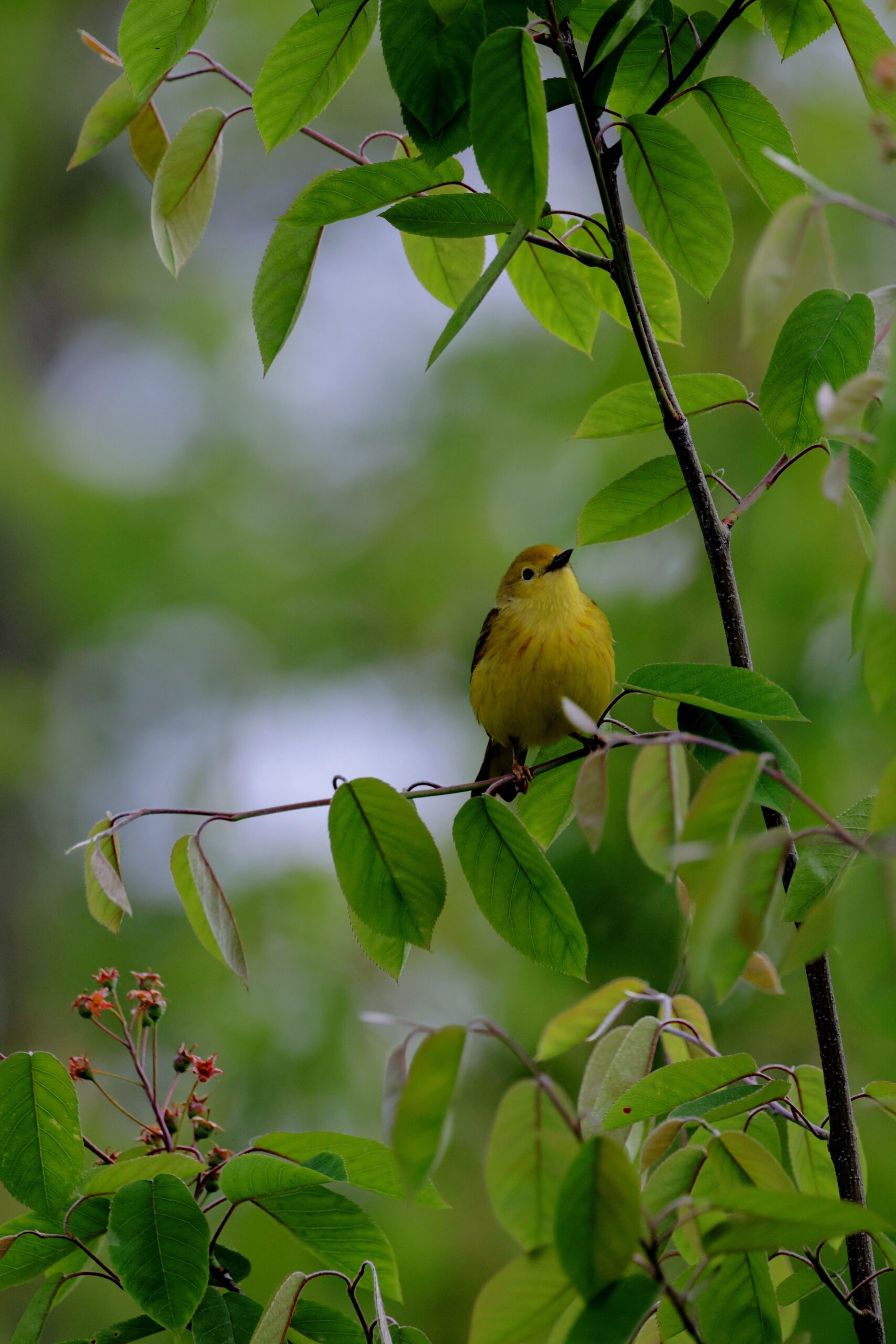
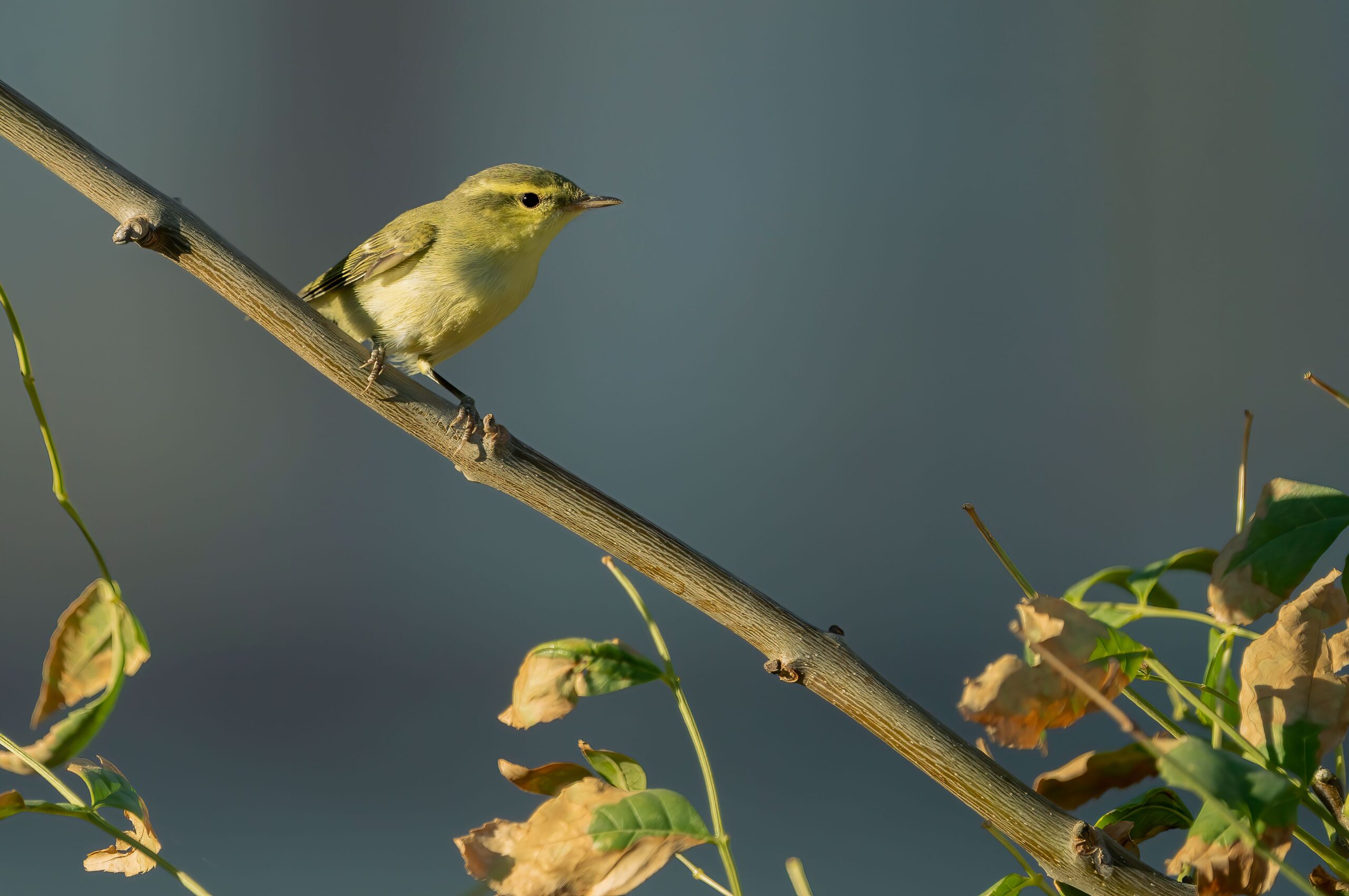
The Japanese warbler is a bird that is famous for its loud chirping, “Ho-ho-ke-kyo.” Slender, male and female of the same color. Females are about 2cm smaller. In Japan, they breed and live in bushes from the flatlands to the mountains all over the country. The male sings as he watches over his territory. This cry indicates territory. It is said to be a threat to foreign enemies.
- Physical Characteristics
Body Shape/Size
Body Length: Approximately 14-16 cm (Small Passerine)
Body Type: Slightly slenderer than a sparrow, with an agile build
Plumage Color
Overall Color: Yellowish-greenish brown to dark brown, with a subdued protective coloration
Belly Color: Slightly pale yellow-green
Tail: Short and rounded, adapted for movement on branches and in thickets
Head, Beak, and Eyes
Beak: Thin, adapted for hunting insects
Eyes: Small and black
Characteristics: Although the body color is subdued, the bird’s call is very distinctive
- Ecology & Behavior
Diet
Mainly insectivorous
Preys on insects, spiders, earthworms, etc.
May also eat fruit and seeds in winter
Foraging Methods
Waiting quietly on the ground or in shrubs to feed
Catching small insects in the air while flying
Behavior & Habits
Strongly hiding
Living in places with obstructed visibility, such as bushes and bamboo groves
Flight
Does not fly long distances, traveling only short distances
Calls
During the breeding season, they make a distinctive “hohokekkyo” call
Calls are used to declare territory and for courtship
Sociality
Typically lives alone or in pairs
Does not form flocks in winter, foraging and resting alone
- Breeding and Lifestyle Characteristics
Breeding Season: Spring to early summer (April to July)
Nest Building: Nests are built in shrubs, bamboo thickets, or grassy areas.
Egg Production: Approximately 4-5 eggs per clutch.
Chick Rearing: The female incubates the eggs, and the parents bring food and raise them.
What is your personality like?
The male basically protects the territory, while the female protects the nest and raises the young. Therefore, the roles of males and females are strictly determined, making them very disciplined birds. They are very timid and will run away if a human approaches them.
- Basic Personality
Quiet and Modest
Like their dull coloring, they rarely appear in public and are not conspicuous.
Timid and cautious
When approached by humans or predators, they quickly hide in bushes or bamboo thickets.
Highly territorial (males)
During the breeding season, they call “hohokekkyo” to mark their territory and their presence.
- Sociality
Solo or paired
Do not form flocks in winter and tend to act alone.
Active communication only during the breeding season.
Males use their calls to attract females and to inform other males of their territory.
- Behavioral Characteristics
Good at hiding
Move among bushes and shrubs, foraging among branches and leaves.
Active and agile
Using their small bodies, they fly between low branches and quickly hunt for insects on the ground.
Territorial disputes are vocal.
They rarely engage in physical fights, instead using their calls to assert themselves.
- Relationship with Calls
Personality and calls are closely related.
Though timid, they bravely call out during territory and breeding season.
Their clear “hohokekkyo” call symbolizes their assertiveness during breeding season, despite their introverted nature.
What does the ecology look like?
Warblers are omnivores, eating fruits, nuts, and even insects. The breeding season for warblers is from April to September. They are polygamous and females can lay 4-6 eggs at a time. The lifespan is said to be about 8 years.
- Diet and Foraging Behavior
A small bird primarily feeding on insects
Feeds on insects (adults and larvae), spiders, earthworms, etc.
May also eat fruit and seeds in winter
Foraging Method
Waits quietly on the ground or in shrubs to feed
Feeds by moving quickly among leaves and branches
Activity Range
Feeds primarily on forest edges, bamboo thickets, and bushes
- Breeding
Breeding Season: Spring to Early Summer (April to July)
Nest Building
Builds nests in shrubs, bamboo groves, and thickets
Nesting materials include grass, leaves, and thin branches
Eggs and Incubation
4-5 eggs per clutch
Incubation Period: Approximately 12-14 days (female incubates)
Chick Rearing
Parents bring food, and chicks leave the nest approximately two weeks after hatching
- Flocking/Social
Often act alone or in pairs
Do not form flocks in winter, and mainly forage and rest alone
Males use vocalizations to declare their territory and court mates during the breeding season
- Migration/Migration
Resident Birds
Live as resident birds throughout most of Japan
Individuals in Hokkaido and highlands may move slightly in response to cold weather
Do not migrate long distances
- Habitat Adaptation
Live mainly in bushes, bamboo groves, and forest edges
Can adapt to urban areas, gardens, and parks
Mostly spend their time on the ground or in shrubs, hiding in bushes
Are there any natural enemies?
The greatest natural enemy of the Japanese Warbler is the Japanese Warbler.
About Molting
Molting in the Japanese bush warbler (uguisu) refers to the period when old feathers are shed and replaced with new ones. These birds undergo a major molt once a year.
Molting Period
Mainly from August to October (late summer through autumn)
Occurs after the breeding season
Timing varies slightly depending on the region and the individual bird
Characteristics During Molting
Japanese bush warblers behave differently while molting:
Feathers appear disheveled or unkempt
Flight ability is slightly reduced
Activity levels decrease
They stay in dense thickets where they are less visible to others
Their characteristic “ho-ho-kekyo” song is rarely heard
This is because they are more vulnerable to predators and expend a great deal of energy while replacing their feathers.
Which Feathers Are Replaced?
Primarily, the following feathers are renewed:
Flight feathers (kazakiribane)
→ Large wing feathers used for flying
Tail feathers
→ Crucial feathers for maintaining balance
Body feathers
→ Feathers that provide insulation and waterproofing
Feathers do not all fall out at once; instead, they are replaced gradually and sequentially to ensure the bird remains able to fly.
About the Japanese Bush Warbler’s Calls
The call of the Japanese bush warbler (uguisu) is famous as a sound that symbolizes spring in Japan, but the type and meaning of the call actually change depending on the season.
“Ho-hokekyo” (The Song)
This is its most famous call.
Ho… hokekyo!
This call is primarily made by males during the breeding season.
Purpose:
Attracting a female (courtship)
Asserting territory against other males
Announcing one’s presence
Season:
Around February to August
Most active from March to June
It is said that the more skilled the male,
the more stable the pitch,
the longer the pause in the “Ho” part,
and the more powerful the “Kekyo!”
“Kekyo-kekyo-kekyo” (The “Valley Crossing” Call)
A call made when the bird senses danger or is excited.
Example:
Kekyo-kekyo-kekyo-kekyo!
Meaning:
Alert/Warning
Territorial dispute
Alerting other birds
If you hear sudden, intense calling in the mountains during spring, it is often this type of call.
“Cha-cha” (The Ordinary Call)
A call frequently heard from autumn through winter.
Cha, cha
This is a call akin to casual conversation.
Purpose:
Communicating with others
Signaling while moving
Alert/Warning
In autumn, after molting, they often make this sound rather than the “Ho-hokekyo” song.
Practice Calls by Young Warblers
In early spring, young males that cannot yet sing skillfully
may produce imperfect sounds like:
Ho… hoho… kekyo?
This is called guzeri (sub-song) and represents a stage where they are practicing the vocalizations of an adult bird.
Seasonal Activities
The activity patterns of the Japanese bush warbler (Uguisu) vary significantly by season. It is easiest to understand by looking at the progression: spring singing, summer breeding, autumn molting, and wintering.
🌸 Spring (March–May): Breeding and Singing Season
A time of peak activity
Vocalizations
Males sing their characteristic “ho-ho-kekyo” song vigorously
Asserting territory
Attracting females
Behavior
Males sing from high perches within thickets
May sing dozens of times a day
Females select nesting sites
Diet
Insects
Spiders
Larvae, etc.
Spring is an ideal season for breeding due to the increase in insects.
☀️ Summer (June–August): Raising Young and Quiet Living
A time when they are less visible to humans
Behavior
Nest building
Incubation
Feeding chicks
Vocalizations
The “ho-ho-kekyo” song is heard less frequently than in spring
Increase in short alarm calls
Characteristics
Live deep within thickets
Avoid conspicuous behavior to protect chicks
Breeding concludes around August, transitioning into the molting phase.
🍂 Autumn (September–November): Molting and Recovery Season
A crucial period for replacing feathers
Molting
Old feathers are shed
New feathers grow in
Feathers are replaced gradually while maintaining flight ability
Vocalizations
“Ho-ho-kekyo” singing mostly ceases
“Cha-cha” contact calls become the primary vocalization
Behavior
Spend time quietly within thickets
Store nutrients
Prepare for winter
❄️ Winter (December–February): Wintering
A quiet period focused on foraging
Behavior
Some individuals migrate to warmer regions
Mountain-dwelling individuals often move to lower elevations
Live in thickets and bamboo groves
Vocalizations
Mainly “cha-cha” calls
Generally do not sing
Diet
Insects (important during times of scarcity)
Tree nuts/berries
Plant matter
In winter, Japanese bush warblers can sometimes be spotted in the shrubbery of gardens and parks.
Flight Speed
While there are no widely established measurements for the exact average flight speed of the Japanese bush warbler (Uguisu), it is a small forest-dwelling bird that tends to move quickly over short distances.
Estimated Flight Speeds
Normal flight: Approximately 20–30 km/h
Short-distance escape flight: Can exceed this speed
Note: The Japanese bush warbler is not a bird that maintains high speeds for long periods, unlike pigeons or swallows.
Flight Characteristics
The flight of the Japanese bush warbler is characterized by the following:
Frequent low-altitude flight
Flies close to the ground or weaves through thickets
Primarily short-distance movement
Usually covers distances ranging from a few meters to several tens of meters
Capable of quick changes in direction
Adapted for navigating through tree branches and vegetation
Alternates between flapping and gliding
Moves using rapid, short wingbeats
Situations Where They Excel at Flying
They demonstrate their flight capabilities particularly well when:
Escaping from predators (such as cats or birds of prey)
Moving within their territory
Carrying food to the nest
About Japanese Bush Warbler Chicks
This section summarizes the characteristics and ecology of Japanese Bush Warbler (Horornis diphone) chicks (young birds).
- Birth and Nest
Hatching Period: Spring to Early Summer (April to July)
Number of Eggs: Approximately 4-5 per breeding
Incubation Period: Approximately 12-14 days (female incubates)
Nests: Built in shrubs, bamboo thickets, or thickets of grass
- Appearance (Chick Feathers)
Newly hatched chicks have fluffy down.
Grayish-brown to pale brown, sometimes with mottled patterns.
Drab colors allow them to hide under the protection of their parents.
Although their bodies are small and round, their beaks and eyes are strong, allowing them to practice pecking for food.
- Behavior and Development
Parent Care
Females incubate the eggs, and after hatching, the parents bring them food.
Foraging Practice
They begin practicing pecking food with their beaks a few days after hatching.
Fleeding
Fleeding occurs approximately two weeks after hatching.
They start by flying low, gradually improving their flight ability.
After Fledging
They may form small flocks with siblings or neighboring young birds.
- Growth Stages
Date Characteristics: 0-2 weeks after hatching: They are protected by their parents in the nest and grow while being fed. Around 2 weeks after hatching: They begin to leave the nest and practice foraging by flying low. 3-4 weeks after hatching: Their plumage approaches that of an adult, improving their flight ability. Over 1 month after hatching: They become independent and participate in solitary and mating activities.
- Biological Characteristics
From the chick stage, they acquire foraging and flight skills while being protected by their parents.
They rely on nests and bushes for protection from predators.
They learn their omnivorous habits from their parents’ behavior.
Is the warbler an endangered species?
Warblers are not an endangered species. However, it is designated as a near-threatened species in Chiba Prefecture and Tokyo, and its population is decreasing.
- International Status (IUCN)
IUCN Red List: Least Concern (LC)
Reason:
Wide distribution range and stable population
No significant declines have been reported
- Status in Japan
Not listed as endangered in Japan
A resident bird found throughout most of Japan, including Honshu, Shikoku, Kyushu, and the Ryukyu Islands
Although localized habitat loss due to deforestation and urban development has occurred, the overall population remains stable
- Conservation Considerations
Capturing and destruction of nests may be prohibited (e.g., under the Wildlife Protection Act)
Conserving habitats such as forest edges and bamboo groves is important for maintaining future populations
Can warblers be kept as pets?
Warblers can be difficult to raise. That’s because they don’t feel attached to humans. Additionally, all wild birds are protected by various regulations. In Japan, under the Ministry of the Environment’s Act on the Protection of Birds and Beasts and Appropriate Hunting, it has become a target of birds and beasts as defined by the Ministry of the Environment Ordinance in Article 26, Paragraph 2 of the Act.
- Can They Be Raised?
Japanese bush warblers are wild birds and are generally not sold as pets.
In Japan, capturing wild birds is prohibited (under the Wildlife Protection Act), so as a general rule, they cannot be kept as pets.
Keeping is limited to specimens born in breeding farms or those with special permission.
- Difficulties of Raising
Very timid and wary.
They tend to hide in front of people and are easily stressed.
Unique diet.
They primarily eat insects and require live insects and special foods.
They also need fruit and seeds in winter.
High flying ability and high exercise.
Requires a large cage and an environment where they can fly around.
Their calls are only active during the breeding season.
They are usually inconspicuous, limiting their potential as pets.
- Overall Rating
Japanese bush warblers are not suitable as wild birds.
Keeping them requires specialized knowledge and equipment, making it impractical for an average household.
It is safer and more suitable to observe them in the wild and enjoy their calls than to keep them as pets.
Zoos Housing the Species (Japan & Worldwide)
The Japanese bush warbler (Horornis diphone) is rarely kept or exhibited in typical large-scale zoos. This is largely because they are viewed more as birds to be observed in their natural habitat rather than as “display animals.”
🇯🇵 Facilities in Japan Housing/Exhibiting the Species
Inokashira Park Zoo
Exhibits Japanese bush warblers in the “Wacho-sha” (Native Bird Aviary).
A facility where visitors can observe familiar Japanese wild birds.
In addition to Japanese bush warblers, other small Japanese birds—such as the Japanese white-eye—are also exhibited.
Features:
The enclosure recreates an environment that mimics the bird’s natural habit of living in thickets.
The exhibit aims to facilitate the observation of their ecology and behavior, not just their beautiful song.
Other Japanese Zoos
While the Japanese Association of Zoos and Aquariums (JAZA) maintains a searchable database of animals in captivity, the Japanese bush warbler is not a species consistently exhibited at many facilities—unlike large mammals or popular bird species. Exhibition status may change due to factors such as breeding programs or health management.
🌏 Zoos Worldwide
The Japanese bush warbler is even rarer in zoos outside of Japan.
Reasons:
A bird adapted to the natural environments unique to Japan and East Asia.
Small size and a tendency to hide in thickets make them difficult to display effectively.
Few recorded instances of breeding in captivity.
Difficult to manage their needs regarding migration and seasonal changes.
Consequently, they are very rarely found in general exhibits at large-scale zoos in Europe or the United States.
Introducing other animals
コメント