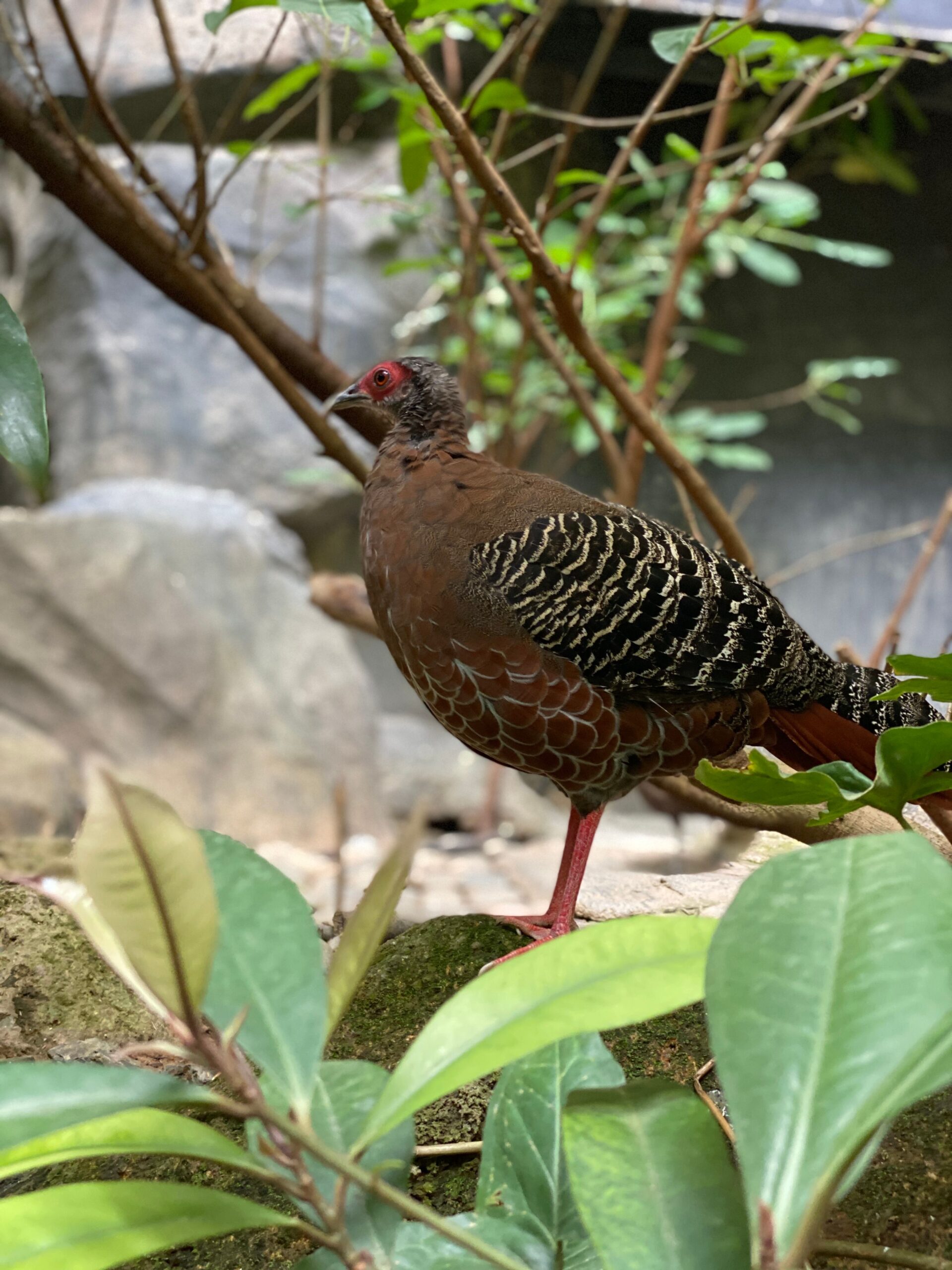
What kind of bird is weka? We will explain its characteristics, ecology, and habitat. New Zealand is home to several flightless birds, many of which have evolved independently. The same can be said for weka. However, the weka population has decreased dramatically and there is a possibility that it may become extinct.




- What is Weka? About basic status
- Origins and History of the Weka
- Where does weka live?
- feature is? What kind of creature is it?
- What is Weka’s personality like?
- What is the ecology of weka?
- Weka Calls
- Seasonal Activities of the Weka
- Weka Walking Speed
- Do they bond with humans?
- About Weka chicks
- Is weka an endangered species?
- Can weka be kept?
- Zoos Housing the Species (Japan & Worldwide)
- Introducing other animals
What is Weka? About basic status
Weka is a type of flightless bird in the family Cinidae. It is a species endemic to New Zealand. The only species in the genus Gallirallus. The body length is 46-50 cm and the weight is 1-3 kg. Information on birds, not mammals, is listed below.
| Japanese(和名) | ウェカ |
| English(英名) | Weka |
| scientific name(学名) | Gallirallus australis |
| classification(分類) | Aves、 Gruiformes、Rallidae、Gallirallus 鳥綱、ハギ目、クイナ科、カモノハシ属 |
| IUCN Status(保全状況) | Vulnerable |
| Length(体長) | 46~50cm |
| Weight(体重) | 1~3kg |
Origins and History of the Weka
Here is an overview of the origins and history of the weka, a New Zealand bird.
Origins
The weka is a flightless bird endemic to New Zealand; like the kiwi and takahē, it is part of a unique ecosystem where flightless birds evolved.
Classification: Rallidae family
Scientific name: Gallirallus australis
It is believed to have lost the ability to fly several million years ago.
Having evolved in the New Zealand environment—where there were few natural predators—it no longer needed to fly.
Relationship with Māori Culture
The weka has long held significance for the Māori, the indigenous people of New Zealand.
Used as a food source
Feathers used for ornaments and clothing
Bones utilized as tools
Appears in myths and legends
Known as “weka” in the Māori language—a name that remains in use today.
After the Arrival of Europeans
The situation changed with the arrival of European settlers in the 18th and 19th centuries.
Loss of habitat due to deforestation
Introduction of invasive predators such as cats, dogs, weasels, and ferrets
Regarded as a pest in some areas due to crop damage
These factors led to a decline in population numbers across many regions.
About classification
“Weka” is a Maori word. This species was named Rallus australis by Anders Eriksson Spermann in 1789. In 1830, Johann Georg Wurgler proposed the genus Gallirallus to describe each weka as a species, but weka was classified as a single species in the genus Gallirallus.
classification class
- ドメイン:真核生物(Eukaryota)
- 界:動物界(Animalia)
- 門:脊索動物門(Chordata)
- 亜門:脊椎動物亜門(Vertebrata)
- 綱:鳥綱(Aves)
- 目:ツル目(Gruiformes)
- 科:クイナ科(Rallidae)
- 属:クイナ属(Gallirallus)
- 種:ウェカ(Gallirallus australis)
Where does weka live?
Weka is endemic to New Zealand.
① Original habitat (historical distribution)
■ Past distribution
All over New Zealand
North Island
South Island
Small coastal islands
■ Main environments
Primitive forests
Shrub forests
Grasslands
Around wetlands
Coastal forests
This bird was highly adaptable, using a wide range of habitats, from forests to open areas.
② Current habitat (present status)
Currently, its distribution has shrunk due to human activity and the impact of introduced predators.
■ Main areas where it can currently be found
South Island: Relatively stable habitat
Stewart Island (Rakiura)
Remote islands with few introduced predators
Some protected areas
*Almost extinct in the North Island.
③ Habitat characteristics
Wekas are characterized by their highly adaptable environment.
Forests and shrubs
Edges of farmland
Grasslands
Near the coast
Around human settlements (rural areas)
Although it is a flightless bird, it sometimes appears in human settlements.
④ Elevation and Climate
Elevation: Coastal to mountainous areas
Climate: Temperate
Can live in both high-rainfall and dry areas
⑤ Reasons for habitat loss
Introduced predators such as cats, weasels, and ferrets
Hunting by humans (past)
Habitat destruction
Road accidents
Because they are terrestrial and flightless, they are vulnerable to harm.
⑥ Keeping a distance from people
Very curious, they have a tendency to steal people’s belongings.
Can be seen at campsites and ports.
They may approach tourists, but they are not considered wild animals.
feature is? What kind of creature is it?
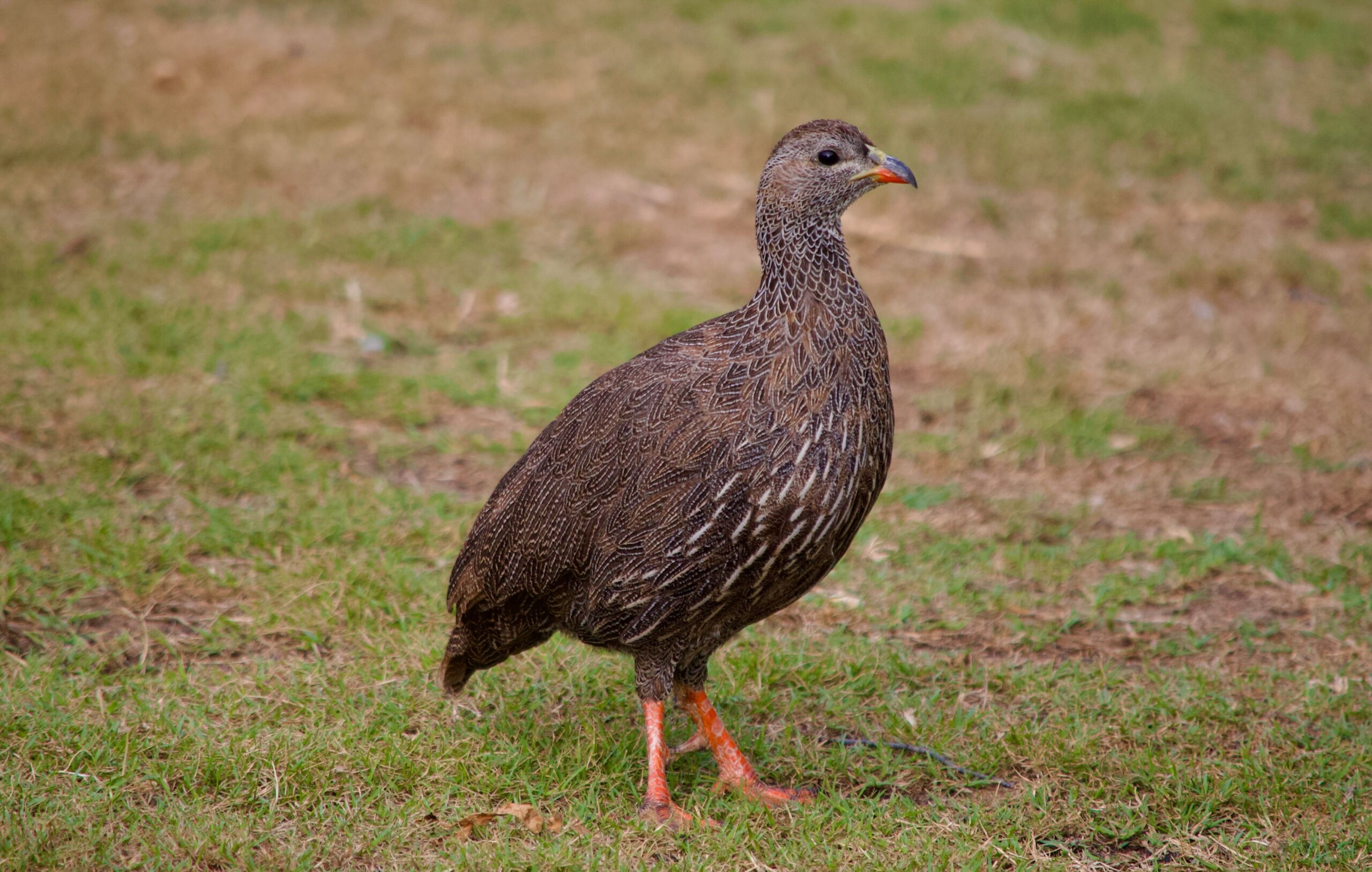
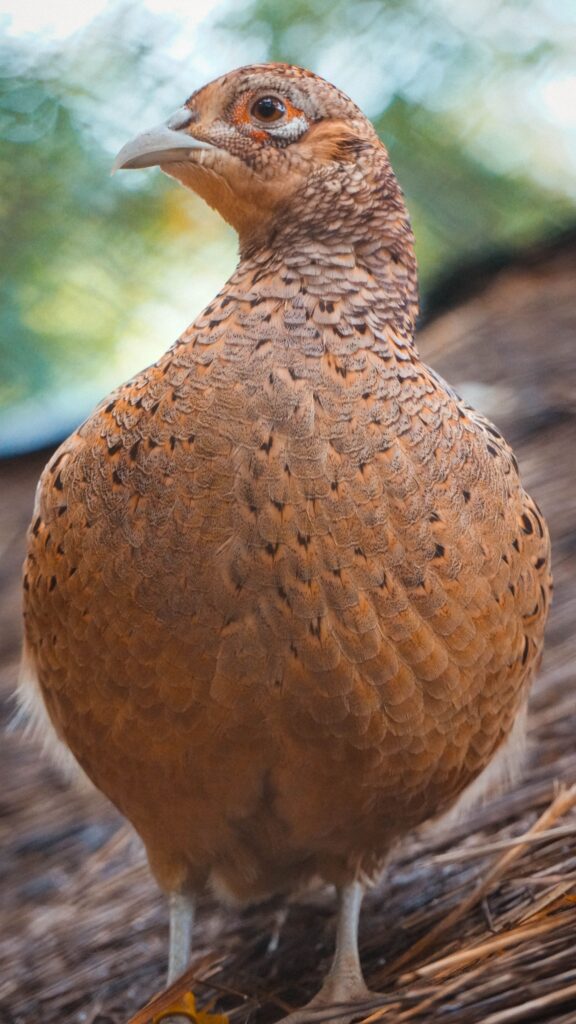
Weka prefers to live in forests, subalpine grasslands, sand dunes, and beaches. Their biggest characteristic is that they cannot fly, and their feathers have degenerated, making them exactly the same characteristics as kiwis and kakapo.
① Physical Characteristics
Body Length: Approximately 50cm
Weight: 0.8-1.5kg
Body Type: Stocky/Stout
Wings: Short, almost flightless
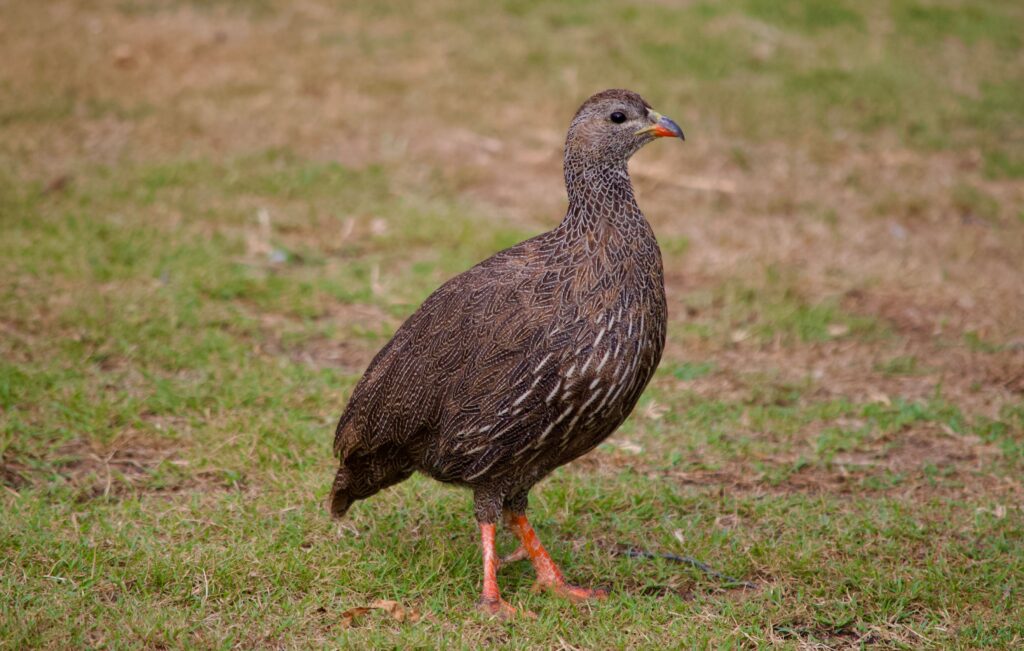
Legs: Thick and long (good at running)
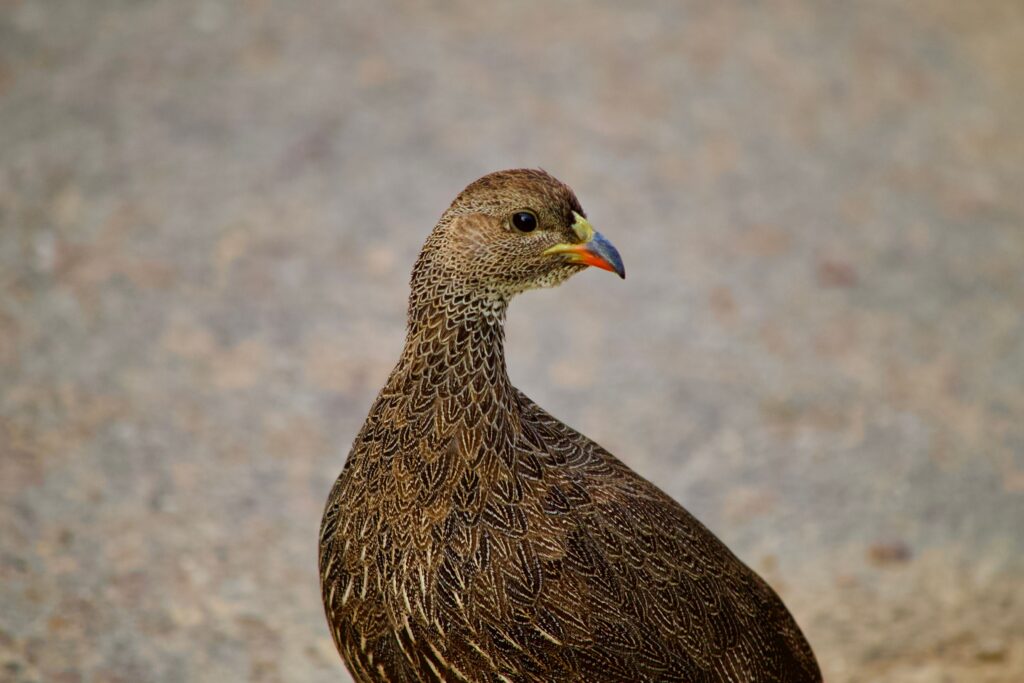
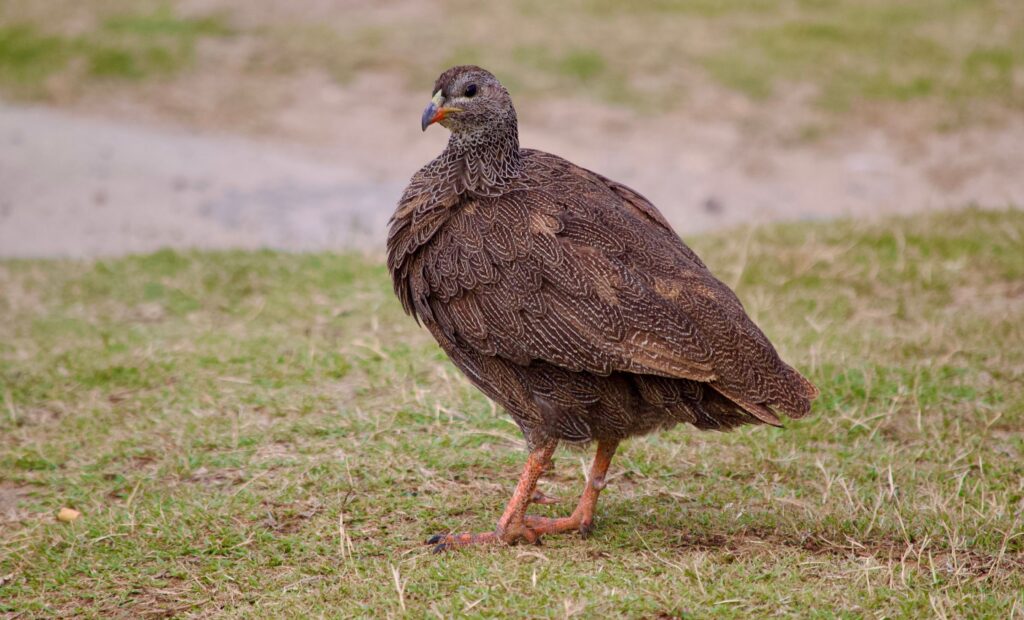
Body Color: Brown, reddish-brown, gray, etc. (regional variations)
Appears to be a cross between a chicken and a rail.
② A nearly flightless, ground-dwelling bird
Can jump short distances
Mainly moves by walking and running
Quickly moves through bushes and grasslands
More like a small land animal than a “bird.”
③ Omnivorous, eats anything
Insects and earthworms
Small reptiles and small bird eggs
Fruit and seeds
Human food (bread, etc.)
Extremely strong will to survive.
What is Weka’s personality like?
They are endemic to New Zealand, and New Zealand is an environment without carnivores to begin with, so wekas have a very laid-back and easy-going personality, making them easy for humans to handle.
① Extremely curious
They always approach unfamiliar objects.
They check shoes, bags, food, tools, etc.
They often grab things and take them.
They’re “habitual thieves” at campsites.
② They’re not particularly afraid of people.
They approach even people around.
In some cases, they boldly cross in front of people.
They “wait and see” rather than run away.
They’re wild, yet they keep too close.
③ They’re strong-willed and territorial.
Aggressive towards other wekas.
They may chase others.
They threaten with calls and charges.
Their attitude is bigger than their size.
④ They’re intelligent and have a high learning ability.
They open lids.
They use gaps to get in.
They learn and avoid dangerous areas.
They’re “birds that think and act.”
⑤ They are tenacious and persistent.
Once they target something, they don’t give up easily.
They return even after being chased away.
They observe and wait for the right opportunity.
They are very persistent.
⑥ There is a great deal of individual variation.
Some individuals are gentle, while others are extremely aggressive.
Their personalities change depending on their environment and interactions with people.
What is the ecology of weka?
Weka is very omnivorous. They feed on leaves, grass, fruits, seeds, etc., as well as larvae, beetles, welters, ants, and grass larvae. The breeding season takes place all year round, and the female weka lays her three cream-colored eggs with brown and mauve spots.
■ Basic Information
Activity Period: Diurnal to crepuscular
Lifestyle: Terrestrial, solitary or paired
Flight Ability: Virtually absent (short distances only)
Lifespan: Over 10 years in the wild
Diet: Omnivorous
① Daily Rhythm
Daytime to evening
Active
Foraging while walking
Patrolling and threatening territory
Night
Resting in bushes and thickets
Relatively quiet
Diurnal, highly conspicuous bird.
② Movement and Behavior
Movement primarily by walking and running
Quietly slipping through bushes
Running when in danger
Preferring to “hide and run” rather than fly
③ Diet (What do they eat?)
Very diverse diet
Insects and earthworms
Snails
Small reptiles
Small bird eggs and chicks
Fruit and seeds
Human food scraps
A type that can survive by eating anything.
④ Breeding Biology
Breeding Season
Mainly Spring to Summer
Nest
Ground depression
Easily constructed from grass and fallen leaves
Egg laying
2-4 eggs
Rearing
Male and female share parental care
Chicks are precocial and can walk
Travels with their parents
⑤ Sociality and Communication
Generally solitary or paired
Strongly territorial
Threatening and communication through vocalizations
Many visual and behavioral aggressors
Who is Weka’s natural enemy?
Weka originally lived in a world without carnivores. However, Europeans introduced animals such as dogs and cats, and carnivores became a threat. The abundant weka were preyed on due to their small size.
Weka Calls
Weka are known for their wide variety of vocalizations and their loud, resounding calls.
Main Calls
“Kwee-kwee-kwee”
Used to communicate with others or confirm their location.
“Ko-ek, ko-ek”
Used to assert territory.
“Kee-kee”
Used when alert or excited.
Low growls or “grrr” sounds
Used for intimidation or close-range communication.
Characteristics
They frequently call at dawn, dusk, and during the night.
Pairs often call back and forth; the male and female may alternate calls, creating a sound resembling a duet.
In the forest, their calls can be loud enough to carry over a kilometer away.
Seasonal Activities of the Weka
Weka are active year-round, though their behavior changes with the seasons. As New Zealand is in the Southern Hemisphere, the seasons are the reverse of those in Japan.
Spring (September–November)
The start of the breeding season.
Males and females call loudly to one another to reinforce pair bonds.
Territorial disputes increase, with chasing and displays of aggression observed.
Nests are built in ground-level vegetation or beneath fallen logs.
Summer (December–February)
A time when eggs hatch and chicks grow.
Parent birds actively forage for insects, earthworms, small reptiles, and fruit.
Chicks are able to walk shortly after hatching and follow their parents to learn how to forage.
Autumn (March–May)
Young birds become independent of their parents.
They begin searching for territory and establishing new home ranges.
They continue to forage to maintain their physical condition in preparation for winter.
Winter (June–August)
They do not hibernate and remain active throughout the year.
On cold days, they spend more time resting in thickets or under fallen logs.
As insects become scarce, they consume a wider variety of available foods, such as fruits and seeds.
Breeding may still occur in warmer regions.
Weka Walking Speed
There is little published data measuring the exact walking speed (km/h) of the weka. However, field observations and ecological studies have revealed the following:
Normal Walking
When foraging leisurely, their speed is thought to be comparable to a human’s slow walk (around 2–4 km/h).
As they walk along the ground, they use their beaks to turn over fallen leaves in search of insects and earthworms.
Brisk Walking and Running
They run very quickly when they sense danger or are chasing after other weka or prey.
Some researchers estimate they can reach speeds of around 15–20 km/h over short distances, though these are not precise measurements.
Why can they run so fast?
Although the weka cannot fly, it possesses:
Thick, muscular legs
Long, sturdy toes
A low center of gravity
These features allow it to dash quickly through forests and grasslands.
Do they bond with humans?
While Weka are not particularly wary of humans, they display strong curiosity rather than a tendency to “bond” with people.
Why do they approach people?
Weka are highly inquisitive and show interest in things such as:
Backpacks and bags
Shoelaces
Keys and accessories
Shiny objects
Bags that smell like food
Consequently, they may peck at the gear of hikers and campers or make off with small items.
Can they be tamed?
Although wild Weka can become accustomed to people, they are not the type of animal that can be tamed like a pet.
Some individuals may follow people around.
They may even eat food from a person’s hand (though feeding wild animals is not recommended).
They may also suddenly wander off, depending on their mood.
Can you touch them?
Weka may come close to people, but they do not necessarily allow themselves to be touched. If you try to touch them against their will, they may run away or peck at you.
About Weka chicks
① Immediately after hatching (day 0)
Appearance and Condition
Fluffy brown to gray down all over the body
Eyes are already open
Ready to walk
Follows behind parents
The complete opposite of a kakapo chick.
② Chick Life (days to weeks after hatching)
Behavior
Walks slowly behind parents
Pecks at fallen leaves and the ground to find food
Quickly hides when it senses danger
Food
Provided by parents
Pecks and eats on its own (practice)
③ Parental Rearing
Males and females share parenting duties
Shares the responsibilities of foraging and vigilance
When danger approaches,
Parents may act as decoys to distract the chicks
Parents have a strong sense of defense.
④ Growth Speed
Grows significantly larger in just a few weeks
Feathers begin to grow
Running faster and faster
Flying practice is almost nonexistent (they don’t fly at all)
⑤ Until independence
Almost independent at 2-3 months of age
Leaves parental territory
Starts solitary life as a young bird
Chick weaknesses and dangers
Small body size
Ground-living
Highly vulnerable to introduced predators
(e.g., cats and weasels)
Human-induced threats are the biggest risk.
Is weka an endangered species?
Weka is classified as an endangered species. The Department of Conservation’s Weka Recovery Plan, approved in 1999, has been launched and aims to recover the species. The reasons for the decline are as follows.
hunting by humans
Hunting by humans is a problem. The Maori hunted the weka for food and its skin and feathers for cloaks. Modern Europeans cleared vast tracts of land, reducing the weka’s habitat. As a result, their population has decreased significantly.
carnivores are introduced
Foxes, dogs, cats, and other animals were introduced by Europeans. Due to these presences, many native species, including weka, were heavily predated and drastically reduced. Most of the Weka on mainland New Zealand have become extinct, including in Auckland.
Can weka be kept?
Because the weka population has drastically decreased, they are strictly managed and extremely difficult for the general public to keep.
① It is illegal.
Wekas are endemic to New Zealand.
Subject to the Wildlife Act.
Capturing, keeping, or transporting them without permission is illegal.
Even in the wild, it is prohibited to pick them up and keep them as pets.
② They are a protected species at risk of extinction.
Threatened in some areas.
Vulnerable to introduced predators (cats and weasels).
Chick mortality is high.
They are a species that should be “protected in the wild” rather than “kept privately.”
③ Their temperament is not suitable for captivity.
Wekas are more difficult to handle than they look.
They are extremely curious.
They steal and destroy things.
They can become aggressive.
They are very territorial.
They will try to break through fences and cages.
They are almost completely unsuitable as pets.
④ The captive environment is too demanding.
Large above-ground space is required.
Digging, running, and hiding are essential.
Simple caged housing is not acceptable.
Lack of stimulation can lead to stress and problematic behavior.
Cannot be reproduced in a home environment.
Are there any exceptions?
✔ Only government-approved facilities are allowed.
Zoos
Wildlife conservation centers
Breeding and research facilities
❌ Not suitable for the general public or as pets.
Zoos Housing the Species (Japan & Worldwide)
The Weka is endemic to New Zealand, and facilities housing them are almost exclusively located within the country.
Japan
Currently, there are no confirmed zoos in Japan that keep or exhibit Weka.
The movement of New Zealand’s endemic birds outside the country is strictly regulated, and the Weka is a rare species not exhibited in Japan.
Major Facilities in New Zealand
Willowbank Wildlife Reserve
A prominent facility that has long kept and exhibited Weka.
They are also actively involved in conservation and breeding efforts.
Orana Wildlife Park
One of New Zealand’s largest wildlife parks.
It is known for exhibiting Weka.
Hamilton Zoo
Houses North Island Weka (exhibition status may vary depending on the season).
Otorohanga Kiwi House
A facility dedicated to exhibiting New Zealand’s endemic birds.
Visitors can observe Weka here.
Introducing other animals
コメント