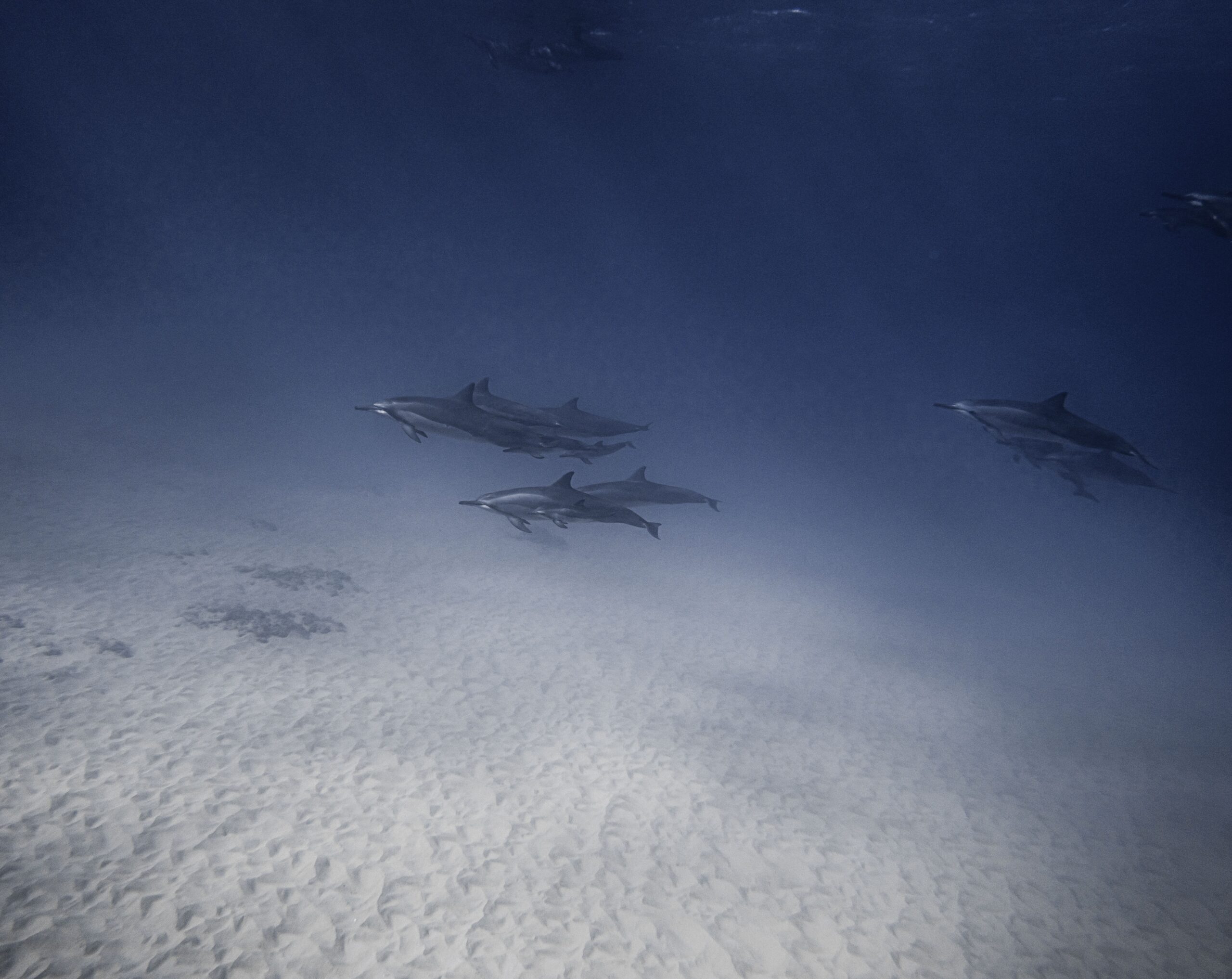
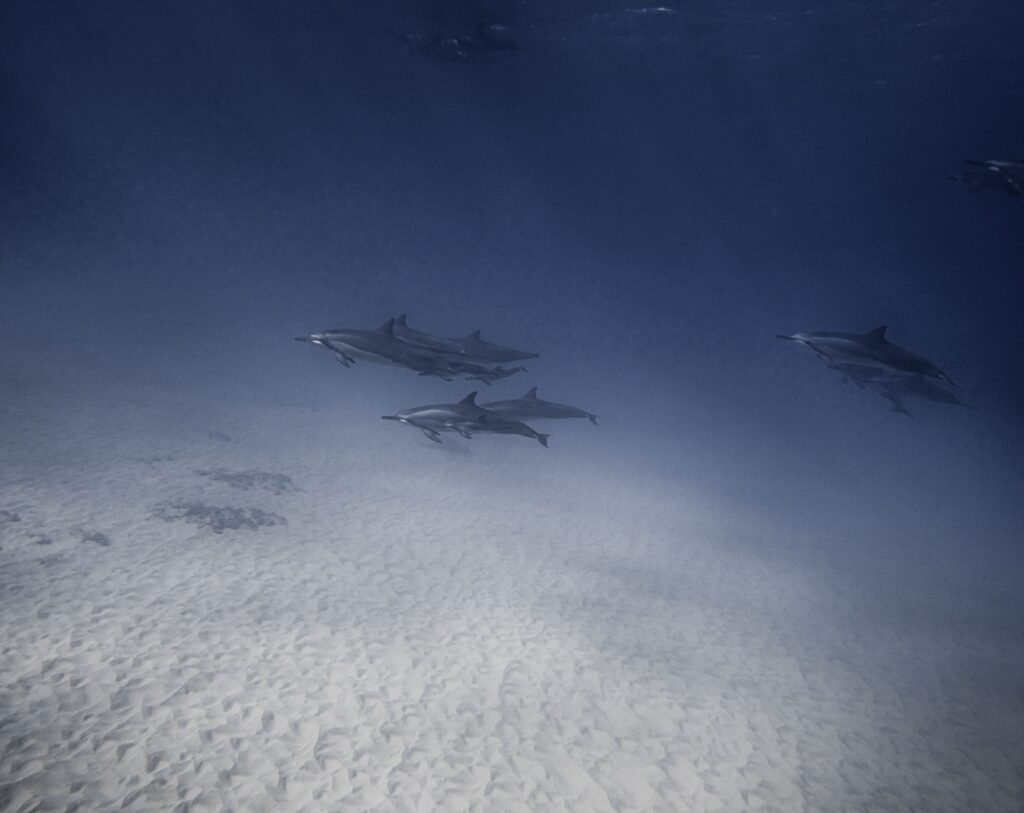
What kind of animal is the spotted dolphin? We will explain its characteristics, ecology, and habitat. The spotted dolphin is not well known because there are very few of them. Although the population is now very stable, bycatch was a problem in the past, and it was suggested that it may become extinct.





- What is a Spotted Dolphin? Basic Stats
- What are the roots and origins of the pantropical spotted dolphin?
- Habitat
- What are its characteristics? What kind of creature is it?
- What is their personality like?
- What is their ecology like?
- About Diving
- About Vocalizations
- Seasonal Activities
- About Swimming Speed
- About baby spotted dolphins
- Are spotted dolphins an endangered species?
- Can spotted dolphins be kept as pets?
- Facilities Housing the Species (Japan & Worldwide)
- Introducing other animals
What is a Spotted Dolphin? Basic Stats
The Pantropical Spotted Dolphin is a dolphin that belongs to the Cetacean order, Odontoceti suborder, Delphinidae family, and Stenella genus. Its English name is Pantropical Spotted Dolphin, and its scientific name is Stenella attenuata. The kanji for Spotted Dolphin is Madaraumiton. The list of information is as follows.
| Japanese(和名) | マダライルカ |
| English(英名) | Pantropical Spotted Dolphin |
| scientific name(学名) | Stenella attenuata |
| classification(分類) | Mammalia、Cetartiodactyla、 Delphinidae、Stenella 哺乳綱、クジラ目、ハクジラ亜目、スジイルカ属 |
| IUCN Status(保全状況) | LEAST CONCERN |
| Length(体長) | 80-90cm |
| Weight(体重) | 120kg |
What are the roots and origins of the pantropical spotted dolphin?
The pantropical spotted dolphin (scientific name: Stenella attenuata) is a small dolphin widely distributed across tropical and subtropical oceans worldwide.
Its origins lie in the evolutionary lineage of the Delphinidae family (oceanic dolphins)—a group of toothed whales specialized for high-speed swimming.
Distant ancestors were land mammals
Like all whales and dolphins, the pantropical spotted dolphin followed this evolutionary path:
Land-dwelling artiodactyls (lineage related to modern hippos)
↓
Early cetaceans (approx. 50 million years ago)
↓
Fully aquatic cetaceans
↓
Odontocetes (toothed whales)
↓
Delphinidae (oceanic dolphins)
↓
Pantropical spotted dolphin
During their evolution, cetaceans lost their hind limbs and adapted to swimming using tail flukes. It has been confirmed that traces of hind limbs appear temporarily in pantropical spotted dolphin fetuses.
History of divergence from the Delphinidae family
The genus Stenella, to which the pantropical spotted dolphin belongs, is a relatively recently evolved group within the Delphinidae family.
This group includes:
Striped dolphin (Stenella coeruleoalba)
Spinner dolphin (Stenella longirostris)
Pantropical spotted dolphin (Stenella attenuata)
…and others.
Common characteristics include:
A slender body
A long rostrum (beak)
High-speed swimming ability
Social behavior involving the formation of large pods
Why did they develop a “spotted pattern”?
The most distinctive feature of the pantropical spotted dolphin is:
A black-and-white spotted pattern that increases as they grow
However, newborns have almost no markings.
As they grow:
Juvenile
↓
Gray body
↓
Increase in white and black spots
↓
Complex spotted pattern in adulthood
…the pattern develops in this way. These patterns are believed to serve functions such as:
individual identification
recognition within the pod
social signaling among group members
Evolution and adaptation to tropical seas
As their name suggests, spotted dolphins
are widely distributed across
the Pacific,
Indian, and
Atlantic Oceans,
as well as warm waters around the equator.
They have adapted to tropical marine environments,
which are characterized by
high water temperatures,
an abundance of prey such as small fish and squid, and
vast open-ocean expanses.
About classification
There are three subspecies of spotted dolphins. They are classified according to the populations that live in the eastern Pacific, Hawaii, and Mexico. Two of the three subspecies (Stenella attenuata subspecies A and Stenella attenuata subspecies B) do not have official names.
- Stenella attenuata subspecies A
- Stenella attenuata subspecies B
- Stenella attenuata graffmani
Taxonomy of Spotted Dolphins
- 界(Kingdom): 動物界 (Animalia)
- 門(Phylum): 脊索動物門 (Chordata)
- 綱(Class): 哺乳綱 (Mammalia)
- 目(Order): 鯨偶蹄目 / 鯨目 (Cetacea)
- 亜目(Suborder): 歯鯨亜目 (Odontoceti)
- 科(Family): ハクジラ科 (Delphinidae)
- 属(Genus): マダライルカ属 (Stenella)
- 種(Species):
- コビレマダライルカ (Stenella attenuata)
- ミナミマダライルカ (Stenella longirostris)
※日本周辺で見られるのは主に コビレマダライルカ(Stenella attenuata)
Habitat
Spotted dolphins live in temperate, subtropical and tropical waters around the world.
- Main Habitat
Tropical to subtropical Pacific, Atlantic, and Indian Oceans
In Japanese waters, they can be found in the waters around Okinawa and south of Kyushu.
Open Ocean and Coastal Waters
They often live in schools in the open ocean.
In coastal areas, they may gather in areas with abundant fish.
- Habitat Characteristics
Water Temperature: Prefers warm waters (approximately 20-30°C).
Depth: Found in a wide range of waters, from deep open ocean waters to mid-depths along the coast.
School Life: Forms large schools of dozens to hundreds of individuals, and moves in pursuit of feeding grounds.
Migration: They are migratory, moving according to the season and areas with abundant food.
- Points of Interest
They do not enter rivers; they are entirely marine.
They prefer the open ocean over shallow waters, swimming at high speeds to chase fish and squid.
They often move in schools, following ocean currents and tidal currents.
What are its characteristics? What kind of creature is it?
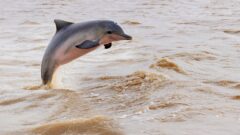
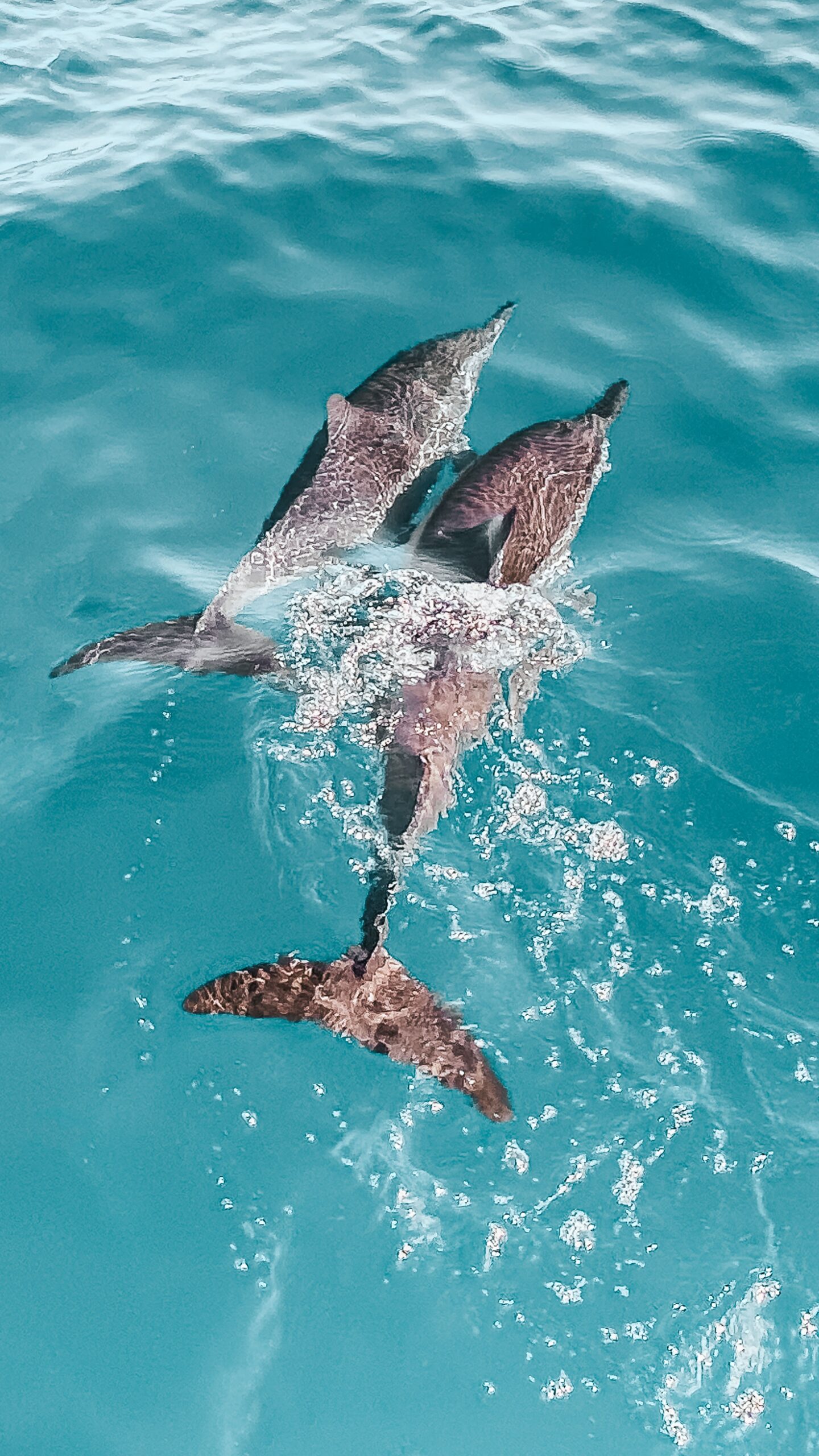
Spotted dolphins have a long, thin beak. They have a high, curved dorsal fin and pointed pectoral fins. Their back is dark gray and their underside is grayish white. Spotted dolphins are found in temperate, subtropical and tropical waters around the world, and their total population is said to be over 3 million. This makes them the second most common species after bottlenose dolphins. They prefer warm places, as they are most likely to live in warm waters above 25°C.
- Physical Characteristics
Body Color: Gray to blue-gray with black and white spots (especially noticeable in adults)
Body Length and Weight:
Adults measure approximately 2 m in length
Weight: Approximately 100-150 kg
Dorsal Fin: Triangular, slightly curved
Snout: Long, pointed
Body Shape: Slender and streamlined, well-suited for fast swimming
- Behavior and Personality
School Life
Often swims in schools of dozens to hundreds of individuals
Communicates with others through calls and clicking sounds
Playful and agile
Often surfs, jumps, and splashes with their tail fins
Swims fast in the open ocean in pursuit of prey
Highly Curious
May approach boats and humans
- Ecological Characteristics
Diet: Small fish, squid, and crustaceans
Reproduction: Gives birth to one calf at a time
Gestation Period: Approximately 10-12 months
Raising is primarily done by the mother, with cooperation from the group.
Adaptations: Because they live in the warm waters of the open ocean, they are more sensitive to changes in water temperature than dolphins that live in colder climates.
What is their personality like?
Spotted dolphins are very social animals that value discipline. They are usually seen in groups, but they often act alone. Spotted dolphins are very active and make large jumps out of the water. They are also known to “play” by jumping over the bow waves made by ships.
- Sociable
Live in groups of dozens to hundreds of individuals.
Communicate with group members through calls and clicks.
Cooperative behavior has been observed between mothers and their young, as well as the entire group.
- Inquisitive
They often approach boats and tourists.
They often play in response to objects and waves at sea.
- Playful and Active
Jump on the water surface and splash with their tails.
They chase each other in groups and engage in surf-like behavior.
Young animals learn hunting and social skills through play.
- They can also be timid.
They are wary of predators and large ships, and will quickly flee.
When they sense danger, the group may change direction all at once.
What is their ecology like?
Spotted dolphins live by eating fish, crustaceans, invertebrates, etc. Their lifespan is about 40 years, with females reaching sexual maturity at 10 and males at 12.
- Habitat
Live in open ocean and coastal areas
Distributed in tropical to subtropical Pacific, Indian, and Atlantic Oceans
Appears in the waters around Japan, from Okinawa to southern Kyushu
Water Temperature: Prefers warm waters of approximately 20-30°C
Depth: Lives in a wide range of waters, from deep open ocean waters to mid-depths along the coast
School Life: Forms schools of tens to hundreds of individuals and moves in search of areas with abundant food
- Diet
Mainly small fish, squid, and crustaceans
Prey Method: Swims at high speed to chase fish, sometimes working together as a school to hunt
- Reproduction and Rearing
Gestation Period: Approximately 10-12 months
Birth: One baby at a time
Rearing: Mother-centered, with some cooperation within the group
Chubby learn hunting and social skills through play
- Society & Behavior
Living in groups: Highly social, they communicate with each other through calls and clicking sounds.
Swimming Behavior: Active, including jumping, splashing with their tail fins, and surfing.
Mobility: They migrate according to the season and food resources.
- Adaptability
Streamlined, slender body → Fast, adaptable to life in the open ocean.
Specialized for life in warm waters, they do not venture into colder regions.
They have developed hunting and communication skills in groups.
Do they have any natural predators?
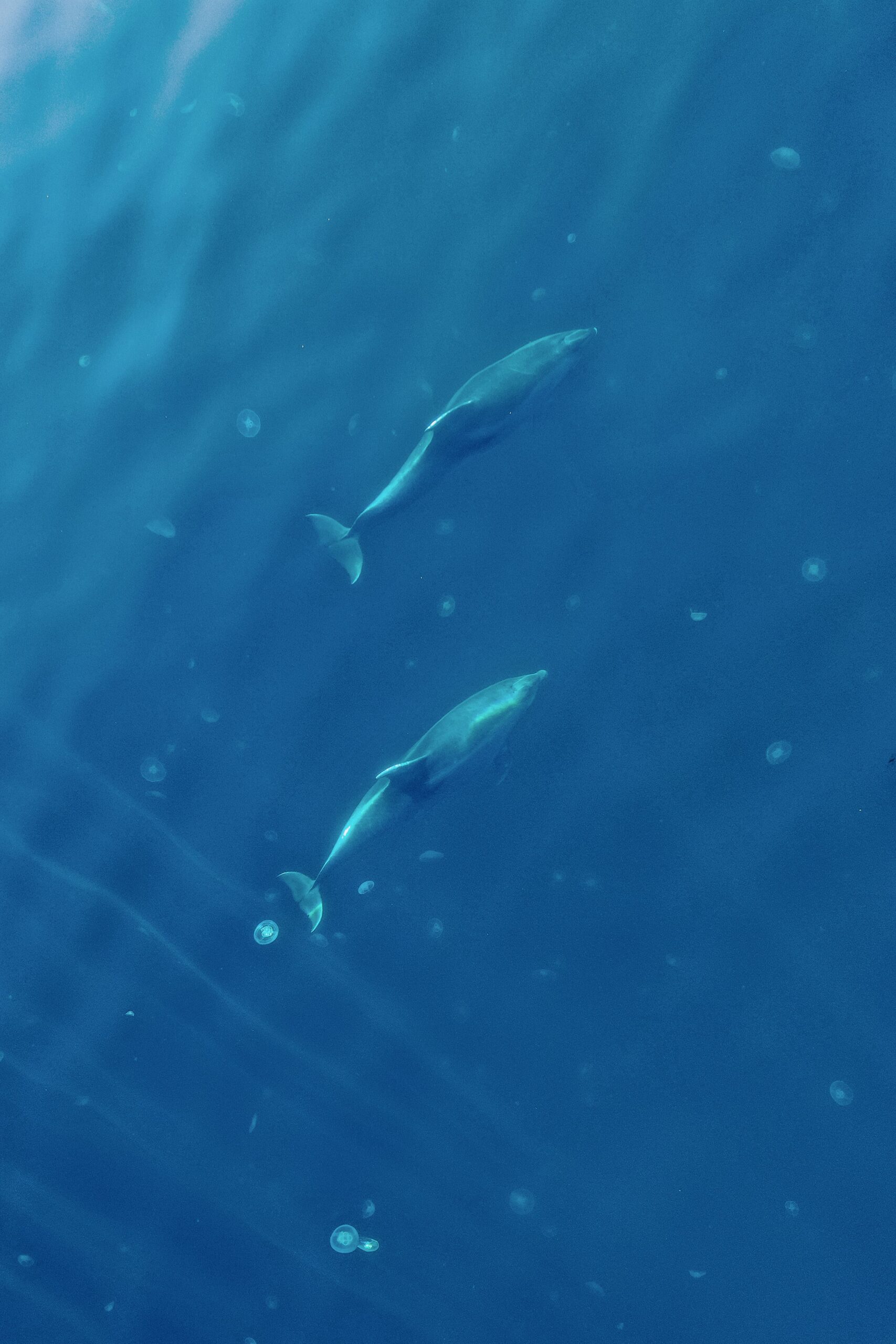
The greatest threat to spotted dolphins is the killer whale.
About Diving
The pantropical spotted dolphin (Stenella attenuata) is not a deep-sea specialist like the Risso’s dolphin; instead, it is a type of dolphin that searches for food while traveling at high speeds across vast tropical open oceans.
Consequently, its diving capabilities are not geared toward “ultra-deep” depths but are instead adapted for the efficient use of intermediate depths.
Typical Dives
Ranges from a few tens of meters to about 100 meters.
In their daily routine, they utilize relatively shallow water layers to pursue:
Schools of small fish
Squid
Prey moving toward the surface
Deep Dives
Capable of diving to depths of 200–300 meters.
Deep dives are performed particularly when:
Pursuing prey at greater depths
Moving to deeper waters during the day
Exploring the marine environment
Dive Duration
Generally:
About 5–10 minutes
Up to around 15 minutes for longer dives
However, they are not long-duration divers like sperm whales.
Diving Behavior: Day vs. Night
Pantropical spotted dolphins adjust their behavior in sync with the “diel vertical migration” of marine organisms.
Daytime
Prey organisms move to deeper waters.
Behavior:
Exploring deeper waters
Traveling in pods
Searching for prey using echolocation
Nighttime
Deep-sea organisms rise toward the surface.
Target prey:
Small fish
Squid
Krill
Behavior:
Actively hunting in shallower waters
Reduced need for long-duration dives
About Vocalizations
The pantropical spotted dolphin (Stenella attenuata) is a highly social species with advanced capabilities for acoustic communication.
Vocalizations are essential to their lives, as they maintain pods ranging from dozens to thousands of individuals in the vast open waters of the tropics.
Echolocation Sounds (Clicks)
The most important sounds are
rapid clicking sounds that resemble “clicking” or “popping” noises.
Uses:
Locating prey
Measuring distance
Identifying the shape of objects
Determining position in the dark ocean depths
These sounds are primarily in the ultrasonic range (tens of kHz or higher) and are generally inaudible to the human ear.
Hunting via clicks
Process:
① Sound generated deep within the nasal passages
↓
② Focused by the fatty tissue in the forehead (melon)
↓
③ Sound waves projected forward
↓
④ Reflected off fish or squid
↓
⑤ Received by the lower jaw
↓
⑥ Position analyzed by the brain
This capability functions much like a living sonar system.
Whistles
Pantropical spotted dolphins also produce
high-pitched whistling sounds
resembling “peee” or “hyuu” tones.
Roles:
Communicating with pod members
Maintaining pod cohesion
Identifying parent-offspring pairs
Signaling excitement or play
Individual Identification Sounds (Name-like sounds)
Dolphins are known to possess
distinctive vocalizations called “signature whistles”
(sounds used for individual identification).
These serve a function similar to
“calling someone by name”
among humans.
Within the pod, they are used to:
identify who is present
determine locations
call out to pod members
Use of Sound within the Pod
Pantropical spotted dolphins form large pods.
Consequently, their vocalizations serve many roles, such as:
during travel (maintaining distance between members, adjusting pod direction)
during predation (searching for prey, coordinating with others)
during child-rearing (confirming contact between mother and calf)
Seasonal Activities
The pantropical spotted dolphin (Stenella attenuata) is adapted to open-ocean environments in tropical and subtropical regions. Rather than undertaking massive seasonal migrations, they shift their activity areas in response to changes in water temperature, ocean currents, and the distribution of prey (such as small fish and squid).
🌸 Spring (March–May)
Activities: Foraging and pod movement
Key behaviors:
Moving in response to changing ocean currents
Gathering in areas rich in prey
Patrolling wide areas in pods
As marine productivity rises in the spring, populations of small fish, squid, and plankton increase, leading to heightened foraging activity.
Pod behaviors:
Socializing with others
Raising calves
Forming pods
…are all prominent during this season.
☀️ Summer (June–August)
Activities: High-speed open-ocean travel and active hunting
Summer is the season when pantropical spotted dolphins are most active.
Behaviors:
Traveling widely across warm waters
Forming large pods
Chasing schools of fish
In the tropical Pacific, in particular, pods numbering in the hundreds or even thousands may be observed.
Diving patterns:
Daytime:
Exploring deeper layers
Searching for schools of fish
Nighttime:
Feeding on squid and small fish that have risen to the surface
…following this daily cycle.
🍂 Autumn (September–November)
Activities: Prey tracking and long-distance movement
In autumn, the distribution of prey shifts alongside changes in ocean currents and water temperatures.
Key behaviors:
Moving in pods
Traveling between feeding grounds
Increased predatory activity
During this period, behaviors such as:
Locating schools of fish
Cooperative herding
High-speed swimming
…occur frequently.
❄️ Winter (December–February)
Activities: Concentrating in warm-water areas
Pantropical spotted dolphins tend to avoid cold waters.
Behaviors:
Concentrating in warm waters near the equator
Alternating between deep and shallow waters
Efficiently searching for food in pods
As a species strongly adapted to tropical environments, they maintain relatively high activity levels even in winter.
About Swimming Speed
The pantropical spotted dolphin (Stenella attenuata) is a species of dolphin specialized for high-speed swimming.
They possess exceptional athletic ability, enabling them to travel in pods across vast tropical open oceans and pursue schools of fish.
● Cruising Speed
Approximately 5–12 km/h
In their day-to-day activities, they swim in a manner that prioritizes energy efficiency for:
Maintaining pod formation
Searching for feeding grounds
Long-distance travel
● Top Speed
Approximately 35–45 km/h
They can accelerate rapidly depending on the situation.
Examples:
Chasing schools of fish
Hunting
Racing with other dolphins
Evading predators
Riding the bow waves of ships (bow-riding)
Why can they swim so fast?
① Streamlined Body
Pantropical spotted dolphins have a body shape typical of high-speed swimmers.
Characteristics:
Slender, elongated body
Small pectoral fins
Low-drag skin
Powerful tail flukes
These features reduce water resistance, allowing for high-speed movement with minimal effort.
② Powerful Tail Flukes
Unlike fish, dolphins generate propulsion by moving their tail flukes up and down.
In pantropical spotted dolphins, powerful thrust is generated through:
Strong back muscles
A flexible spine
Large tail flukes
③ High-Speed Movement in Pods
Pantropical spotted dolphins form pods ranging from dozens to thousands of individuals.
Swimming in pods allows them to:
Expand their foraging range
Increase hunting efficiency
Enhance vigilance against predators
About baby spotted dolphins
Baby spotted dolphins (Stenella attenuata / Stenella longirostris) are smaller than adult dolphins and have distinctive behavior and ecology.
- Physical Characteristics
Body Length: Approximately 70-90 cm at birth
Weight: Approximately 10-15 kg
Body Color: Juveniles are gray or blue-gray, developing spotted patterns as they mature
Dorsal Fin/Snout: Same shape as adults, but smaller
- Behavior/Personality
Dependent on Mother
For the first few months of life, they swim alongside their mother, protecting them from food and danger.
Playful
Jumping on the surface of the water and splashing with their tail fin and body
Playing games with their packmates
Learning Behavior
They learn how to catch food and social skills by watching the behavior of their mother and pack.
- Biological Features
Diet: Breastfed for the first few months
Weaning: Begins eating fish, squid, etc. after a few months to a year
Growth: Reaches near adult size within 1-2 years and is able to participate in pack activities
Dangers: Juveniles are sensitive to predators, ships, and food shortages, making them at high risk.
Are spotted dolphins an endangered species?
Spotted dolphins are not an endangered species overall. However, in the 1900s, there were concerns that they might become extinct. This was because they were caught in large numbers as bycatch in fishing operations. In the 1980s, conservation efforts became more active and their population rapidly increased.
- International Union for Conservation of Nature (IUCN) Assessment
Short-finned Spotted Dolphin (Stenella attenuata)
Classified as “Least Concern” on the IUCN Red List
Relatively stable population and widespread distribution
Southern Spotted Dolphin (Stenella longirostris)
Overall, classified as “Least Concern”
Some local populations may be affected by fishing and marine pollution
- Reasons for Not Being Endangered
Distributed over a wide area of tropical and subtropical waters
Living in groups, with a relatively stable reproductive rate
Natural predators are limited to killer whales and large sharks
- Caution
Damage to Fisheries: Populations may decline due to purse seine nets and bycatch
Environmental Change: Marine pollution and climate change may affect food resources and habitat
Can spotted dolphins be kept as pets?
Spotted dolphins are too large for ordinary people to keep as pets. If you want to find one, we recommend visiting an aquarium or other place to view them and getting a guide or escort at an event.
- Legal and Conservation Issues
Spotted dolphins are internationally protected marine mammals.
Capturing and selling wild specimens is prohibited in most countries.
Even in Japan, keeping wild dolphins as pets is illegal.
Only aquariums and research facilities with special permission can keep them.
- Ecological and Environmental Issues
Large ocean space required: They form schools in the open ocean and hunt for food while migrating.
Highly social: Dolphins live in groups, and keeping them alone can be stressful.
Unique diet: They require large amounts of small fish, squid, and crustaceans, and they must learn predatory behavior.
Water temperature management is difficult: They are adapted to tropical and subtropical water temperatures (20-30°C).
- Aquarium Keeping
Only kept in aquariums worldwide.
Even in Japan, there are few examples of captivity, requiring large tanks, specialized staff, and veterinarians.
Facilities Housing the Species (Japan & Worldwide)
The pantropical spotted dolphin (Stenella attenuata) is a species rarely kept in captivity compared to common bottlenose dolphins or Pacific white-sided dolphins.
This is because, in the wild, they range widely across tropical open oceans, making environmental adaptation and husbandry challenging. Data from the Japanese Association of Zoos and Aquariums (JAZA) classifies the pantropical spotted dolphin as a species with “extremely few instances of captivity and one that is rarely exhibited.”
🇯🇵 Facilities in Japan
Shikoku Aquarium
Currently, this is one of the primary facilities in Japan exhibiting pantropical spotted dolphins.
Features:
Aims to conduct research through the husbandry and observation of pantropical spotted dolphins.
Conducts behavioral observations of these small, active dolphins.
A rare species for exhibition in Japan.
Shikoku Aquarium notes that “while the majority of Japanese aquariums house common bottlenose dolphins, very few keep pantropical spotted dolphins.”
Taiji Whale Museum
Has a track record of conducting research on the husbandry of pantropical spotted dolphins.
Features:
A facility specializing in cetaceans.
Extensive experience in keeping pilot whales and dolphins.
Has published research reports on the habituation and husbandry progress of pantropical spotted dolphins.
Kamogawa Sea World
Has records of past involvement in research regarding the husbandry of pantropical spotted dolphins.
🌎 Examples Worldwide
United States
In the past, they have been kept at:
Marine mammal research facilities
Dolphin exhibition facilities
However, currently, there are very few facilities worldwide that maintain permanent exhibits of this species.
Introducing other animals

コメント