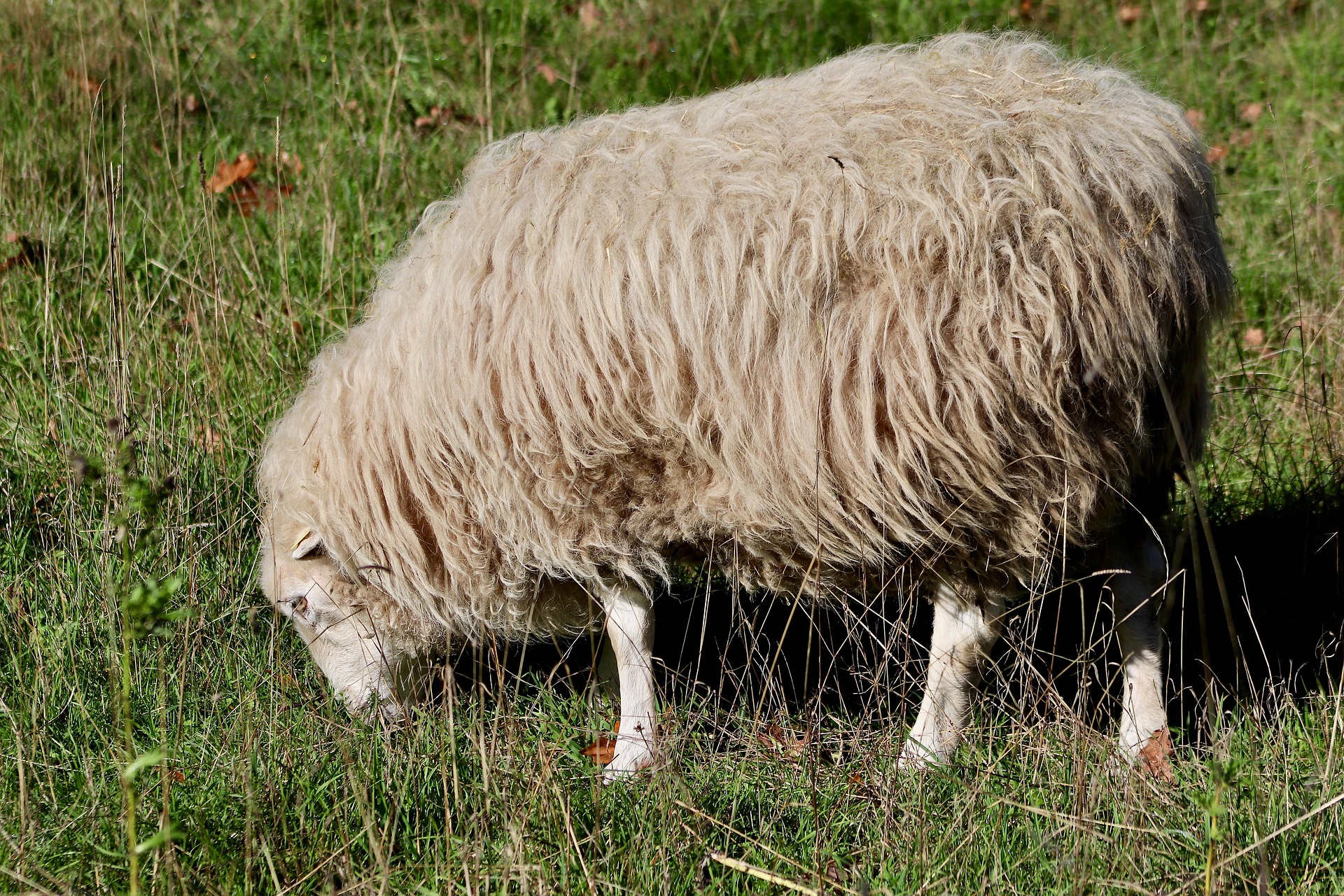
What kind of animal is a sheep? We will explain its characteristics, ecology, and habitat. Sheep are animals that everyone knows, and because they can be used for so many different purposes, they are valued by humans. What kind of culture and history does sheep have? I would like to introduce this as well.





- What is a sheep? About basic status
- What are the roots and origins of sheep?
- What is the history of sheep?
- What is the number of sheep kept?
- What are the characteristics of sheep?
- What is the personality of sheep?
- What is the ecology of sheep?
- What are sheep’s natural enemies?
- About Molting
- About Sheep Vocalizations
- Seasonal Activities
- Walking Speed
- Which country raises the most sheep?
- Introducing other animals
What is a sheep? About basic status
Sheep are a species of the order Cetacea, subfamily Caprinae, family Bovidae. They have horns and are domesticated mainly for their wool. They are a well-known animal. Their scientific name is Ovis aries, and they are written as 柳 (sheep) or 山 (cotton sheep) in kanji. They can range from 120 to 180 cm in length and weigh 45 to 90 kg. Sheep are in demand for their wool, which can be used for clothing, etc. They are always in demand.
| Japanese(和名) | ヒツジ |
| English(英名) | Sheep |
| scientific name(学名) | Ovis aries |
| classification(分類) | Mammalia、Ruminantia、 Bovidae、Ovis 哺乳綱、ウシ目、ウシ科、ヒツジ属 |
| IUCN Status(保全状況) | LEAST CONCERN |
| Length(体長) | 120 – 180cm |
| Weight(体重) | 45– 90kg |
What are the roots and origins of sheep?
The roots of sheep trace back to wild sheep species that evolved on the Eurasian continent approximately 10 million years ago. Modern domestic sheep were domesticated by humans around 10,000 years ago, with the mouflon (a type of wild sheep) serving as their primary ancestor.
The Ancestor: The “Mouflon”
The most likely ancestor of modern domestic sheep (scientific name: Ovis aries) is the
Mouflon.
Mouflons still inhabit regions such as:
The Caucasus
The area around Iran
Asia Minor
Mediterranean islands
Characteristics:
Short, brownish-colored coat
Large, curled horns (primarily in males)
Strong legs capable of navigating rocky terrain
A habit of living in herds
Modern sheep have inherited traits from their wild ancestors, including their tendency to flock together, their herbivorous diet, and their hardy constitutions.
Evolutionary History
General timeline:
Approx. 10 million years ago
The wild sheep genus (Ovis) diverged from goat-like ancestors
↓
Approx. 3 million to 1 million years ago
Spread across Eurasia
↓
Approx. 10,000 years ago
Domestication by humans began in the Middle East (Fertile Crescent)
↓
Present day
Developed into a livestock population numbering in the billions worldwide
Where Domestication Occurred
Sheep were first domesticated in the region corresponding to present-day:
Iran
Iraq
Eastern Turkey
The area around Syria
In this region, agricultural civilizations emerged, and people began capturing and raising wild sheep.
The initial purposes were primarily:
Meat
Milk
Hides/Skins
What is the history of sheep?
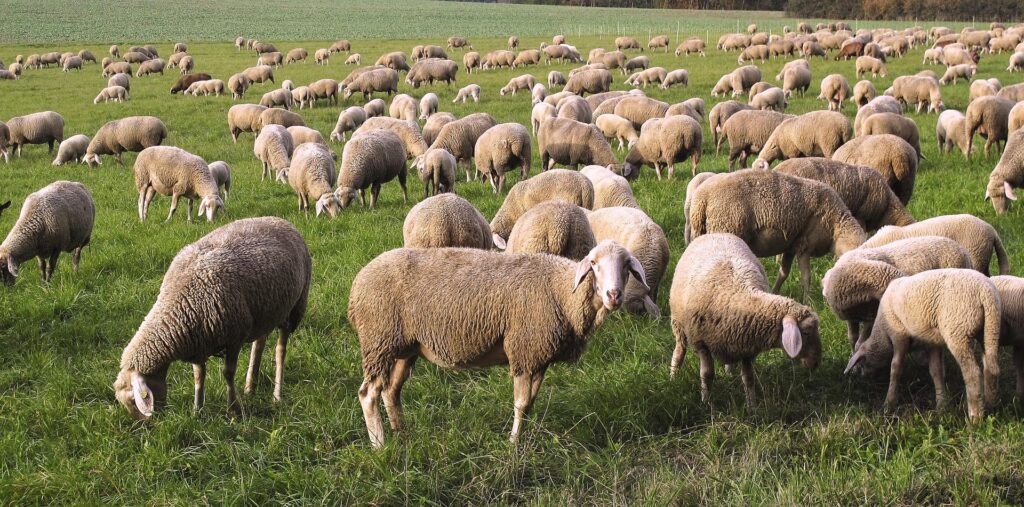
In fact, there is evidence that sheep were already being bred and domesticated by humans in the Neolithic period. It is believed that they were domesticated around 7000-6000 BC, when the Mesopotamian civilization developed. The ancestors of sheep are thought to be Mongolia, India, and the Mediterranean. They are an animal that has adapted to the same human society. There is also a high demand for sheep in Japan.
Why did sheep become livestock?
The main reason why sheep became human livestock is because of their fat and wool. Since goats are superior in terms of meat, milk, and skin, there was no point in choosing sheep. However, nomads were unable to obtain enough fat, an important nutrient, from goats, so they turned to sheep. Pigs, which are the main source of fat intake, were not suitable as livestock for religious reasons.
There is also a huge demand for mutton
Mutton was also found to be in great demand. A large amount of meat is consumed in Australia and New Zealand, where it is widely eaten and is widely bred, as well as in the United Kingdom, Greece, and Ireland.
Great demand for wool too
Wool is one of the reasons why sheep were domesticated. Wild sheep have a tendency to shed their top coat in the spring, and humans have been using this shed coat to make felt since BC. Due to this demand, domestication progressed. The wool that we are familiar with today is mainly the wool of domestic sheep that have been bred to develop this undercoat.
Sheep milk is also in demand.
The reality is that there is also demand for sheep milk. Sheep’s milk is mainly used for processing yogurt and cheese, which modern people consume. In particular, this milk is processed and used to make cheese.
There is also demand for sheepskin
Depending on the species, sheepskin is also in demand, and is used for clothing as lambskin, sheepskin, and mouton. They can be used for various purposes. Compared to cows and goats, they can be used for their fur more than any other species. Unlike other species, many households raise them in groups.
What is the number of sheep kept?
Sheep are widely bred all over the world, and according to 2008 statistics, there were 1 billion sheep bred worldwide. China, Australia, India, New Zealand, Iran, and Nigeria breed them in large numbers.
Global Population
The total number of sheep in the world is estimated at approximately 1.2-1.3 billion.
⇒ This corresponds to a ratio of one sheep for every 6-7 people, out of a total of approximately 8 billion.
Top Sheep-Raising Countries (Countries with the Largest Population)
China: The world’s largest sheep population (approximately 170-180 million)
India: Approximately 78 million (second-largest)
Australia: Approximately 78 million (large sheep industry)
Turkey/UK, etc.: Some countries have sheep on the scale of tens of millions.
*In addition to the above, sheep are widely raised as important rural livestock in several countries in Africa and the Middle East.
Regional Share (Estimated)
Asia: The major region, accounting for approximately 40-45% of the world’s sheep population.
Africa: Around 30%.
Europe and Oceania: Each region has a certain number of sheep, but there are disparities by country.
Total Population Trends
Statistics show that the global sheep population has generally been stable or gradually increasing over the past few decades, but there are also trends of decline in some countries and regions.
For example, New Zealand once had a very large sheep population relative to its global population, but reports suggest that the number has declined significantly in recent decades (although it still exceeds the population).
What are the characteristics of sheep?
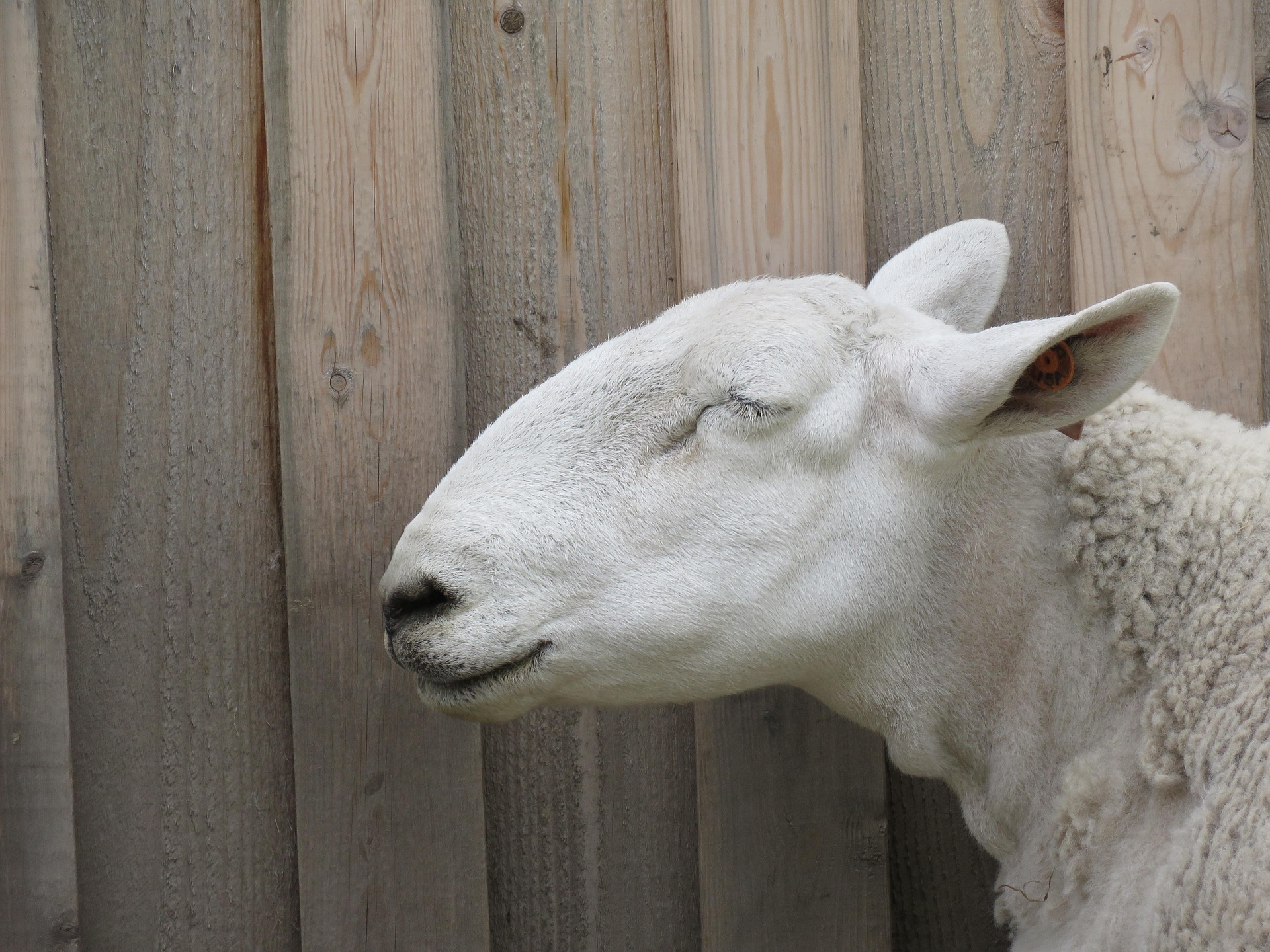
Their bodies are relatively small for a ruminant, and they are characterized by spiral-shaped horns on the sides of their heads and curly hair called wool. Their hearing has been greatly developed so that they can detect foreign enemies. Regarding eyesight, they have horizontally narrow pupils and excellent peripheral vision, which allows them to detect the approach of foreign enemies. The body length and weight of sheep vary widely depending on the breed.
- Basic Information
Scientific Name: Ovis aries
Classification: Mammalia, Order: Artiodactyla, Family: Bovidae
Origin: Believed to originate from the highlands of Central Asia
Lifespan: Approximately 10-12 years (depending on breed and rearing environment)
- Physical Characteristics
Size: Medium to large, approximately 60-110 cm tall, weighing approximately 30-150 kg (depending on breed)
Hair: Featuring soft, dense wool known as wool. Many breeds are adapted for cold climates.
Horns: Males often have large, curved horns. Females may or may not have small horns.
Color: White is common, but they can also come in a variety of colors, including black, brown, and spots.
- Behavior and Personality
Personality: docile and easily tamed.
Pack Life: A highly social animal that lives in packs.
Vigilance: Sensitive to predators, they cooperate with their packs to protect themselves.
Athletic Ability: They have excellent climbing ability in mountainous areas.
- Ecology and Diet
Diet: Herbivorous, primarily eating grasses and wild plants.
Reproduction: Gives birth to 1-3 lambs at a time.
Living Environment: Adapted to open areas such as grasslands and mountainous regions.
- Other Characteristics
Uses: Wool (clothing), meat (lamb and mutton), milk (cheese, etc.)
Cultural Role: Raised as livestock in many countries since ancient times, they are featured in religious and traditional ceremonies.
What is the personality of sheep?
Sheep are as they look, but they have a very gentle and gentle personality. They are cautious and timid, and are gregarious animals, so they rarely act alone. If they are threatened, they will simply run away. They live in groups, so they also travel in groups. They can be said to be representative of mammals.
- Basic Personality
Gentle: Not aggressive, relatively calm towards people and other animals.
Timid: Highly cautious, sensitive to sudden noises and movements, and often fleeing.
Primitive: As a group-dwelling animal, they become easily stressed when isolated.
- Sociality
Preference for herd behavior: They are conscious of the distance and order between themselves and their companions.
Highly cooperative: When danger approaches, the entire group will flee, and they also eat as a group.
Leadership: Each group has a leader (typically an experienced individual) who guides their behavior.
- Intelligence and Learning Ability
Learning Ability: Once familiar with their environment and owner, they can memorize simple instructions and routes.
Memory: They have the ability to recognize faces and other members.
Problem-Solving Ability: They can avoid or bypass simple obstacles.
- Breed Differences
In general, sheep are docile, but
Merino: Very gentle and easy to handle.
Corriedale: Active and somewhat curious.
Meat breeds (such as Suffolk): Timid, but sensitive to herd behavior.
What is the ecology of sheep?
Sheep tend to eat not only grass, but also bark, tree buds, and flowers. The gestation period is 147 days, and they are seasonal breeders that breed only during a limited period of the year. In the Northern Hemisphere, mating takes place in the fall and lambs are born in the spring. Lifespan is about 10-12 years.
- Living Environment
Origin: Central Asian plateau
Adapted Area: Grasslands, mountains, pastures, and other open areas
Temperature Adaptation: Thick wool provides protection in cold regions, while short-haired breeds exist in hotter regions.
- Diet
Herbivore: Feeds primarily on grass, wild plants, and leaves.
Ruminant: Has a four-chambered stomach (the rumen), and ingests grass by chewing it back into its mouth for digestion.
Water Intake: Obtains a large amount of moisture from grass, allowing it to withstand relatively dry conditions.
- Social Life
Pack Life: Always stays together with others for safety.
Leadership and Hierarchy: Experienced individuals often lead the pack.
Communication: Communicates with others through vocalizations and body movements.
- Reproduction
Sexual Maturity: Reproductive capacity begins at 6-12 months (depending on breed)
Estrous Period: Most breeds go into estrus in the fall (seasonal breeding)
Gestation Period: Approximately 5 months (145-155 days)
Lambing: Lambs give birth to 1-3 lambs at a time
Lamb Development: They are breastfed and become integrated into the flock within a few weeks of birth
- Behavior Patterns
Diurnal: Grazes during the day and rests at night
Vigilance: Sensitive to predators and danger, they cooperate with the flock to escape
Migration: May travel long distances in search of food
What are sheep’s natural enemies?
Sheep are protected and raised by humans. However, they do have natural enemies, such as wild dogs. Sheep can also be infested with insects such as sheep flies.
- Main Natural Predators
Wolves: One of the largest predators of wild sheep.
Wild dogs (wild and semi-wild canines): May attack flocks.
Large cats (such as pumas and leopards): May prey on lambs in mountainous regions and grasslands.
Birds of prey (eagles and hawks): May particularly prey on lambs.
- Herd Defense
Sheep work together as a flock to protect themselves from predators.
When sensing danger, they alert the entire flock with alarm calls and fleeing behavior.
Sheep in mountainous regions protect themselves from predators by fleeing to cliffs or high places.
- Interactions with Humans
When domesticated, sheep are protected from predators by dogs, fences, and guards.
Lambs are particularly vulnerable and at high risk of predation, so they are kept close to their mothers.
About Molting
Molting in sheep is the process where old wool sheds and new wool grows in, serving to regulate body temperature and adapt to the seasons. However, due to selective breeding by humans, the molting mechanism of most modern domesticated sheep differs significantly from that of wild sheep.
Molting in Wild Sheep
Wild sheep, such as the mouflon (an ancestor of domestic sheep), undergo a natural molting process.
Spring
Winter coat sheds
↓
Changes to a short summer coat
Autumn
Summer coat sheds
↓
Changes to a thick coat to withstand winter
In other words, in the wild, they “change clothes” every year:
Winter: Highly insulating wool
Summer: Breathable wool
Domestic Sheep Do Not Shed Naturally
Modern wool-producing sheep (especially breeds like the Merino), having been selectively bred by humans over a long period, possess the following characteristics:
Wool grows continuously
Does not shed in large quantities naturally
Produces a very large volume of wool
Wild sheep:
“Grow winter coat → Shed in spring”
↓
Domestic sheep:
“Wool grows continuously → Sheared by humans”
This is the key difference.
Shearing Replaces Natural Molting
Domestic sheep are sheared between spring and early summer.
Reasons:
To prevent heat stress
To prevent skin diseases
To reduce the physical burden caused by excessive wool
To harvest wool for use
Generally,
Shearing is performed once a year
The amount of wool obtained from a single sheep varies by breed but can reach several kilograms.
Types of Wool
Sheep wool generally falls into two categories:
Undercoat
Soft
Highly insulating
Used in wool products
Outer coat (Hair)
Covers the exterior
Protects against wind and rain
In wild sheep, the balance between these two types changes according to the season.
About Sheep Vocalizations
While sheep are strongly associated with the “baa” sound, they actually use a variety of vocalizations depending on the situation—such as communicating with their flock or offspring, signaling danger, or expressing emotions.
- The Typical Call: “Baa”
The basic call of a sheep is represented in English as “baa.”
This sound carries various meanings.
Main uses:
Locating flock mates
Calling for their mother
Asking for food
Expressing anxiety
Making a request to humans
It is not merely a “noise,” but a means of communication between sheep.
- Lamb Vocalizations
Newborn lambs bleat frequently to maintain a connection with their mothers.
Characteristics:
High-pitched, thin voice
Frequent, short bleats
Attracting the mother’s attention
Signals such as:
“I’m here”
“I’m looking for Mom”
- Ewes Distinguish Their Lambs’ Voices
Sheep possess surprisingly keen hearing.
A mother ewe can distinguish between:
Her own lamb’s bleat
Another lamb’s bleat
Lambs also remember their mother’s voice and can recognize their parent even within a flock.
- Expressing Emotions Through Vocalizations
The meaning of a sheep’s “baa” changes based on pitch and duration.
When feeling secure
Quiet voice
Short bleat
When anxious or lonely
Loud voice
Repeated bleating
When hungry
Bleating repeatedly
Approaching humans or feeding areas
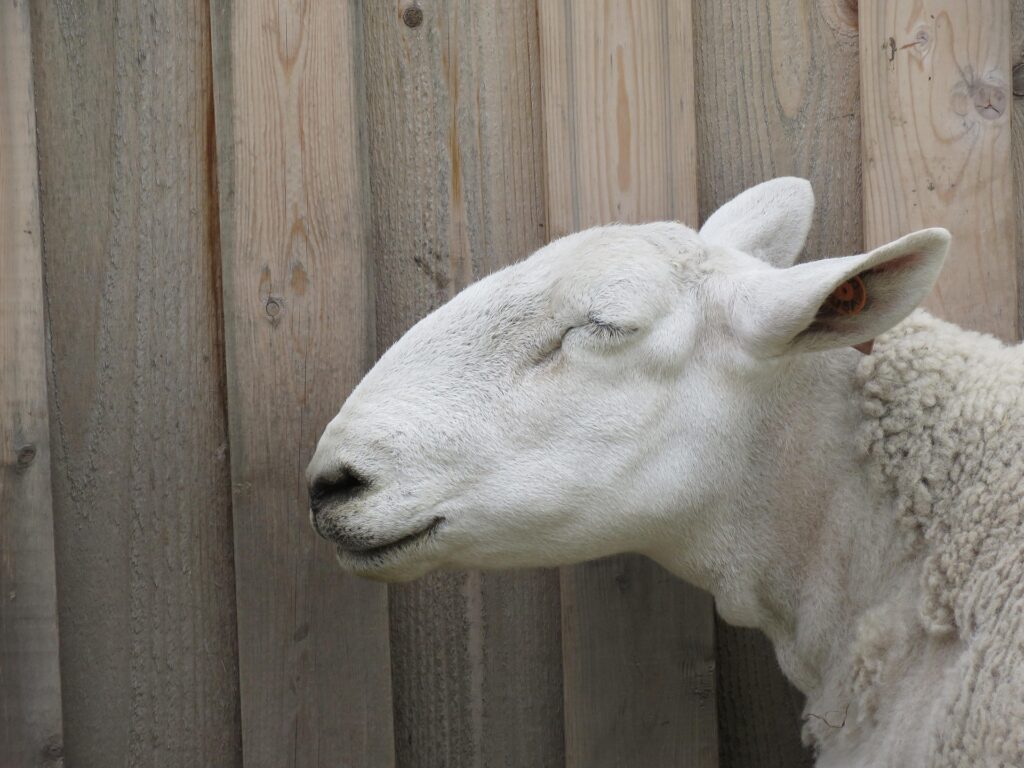
Seasonal Activities
Sheep activities vary significantly depending on the season, temperature, pasture growth, and reproductive cycles. As descendants of the wild mouflon—which inhabited mountainous regions—sheep possess a natural ability to adapt to seasonal changes. Domestic sheep retain these traits while living under human management.
🌸 Spring (approx. March–May): “Season of Birth and Growth”
Spring is one of the most critical times for sheep.
Key Activities
Lambing (giving birth)
Rearing lambs
Actively grazing on pasture
Increased flock activity
Ewes that have survived the winter often give birth to lambs in the spring.
Lamb Growth
Newborn lambs develop remarkably fast:
Standing up within a few hours
Nursing
Walking within the flock
Fresh spring grass is highly nutritious and supports the ewes’ milk production.
☀️ Summer (approx. June–August): “Coping with Heat”
While sheep are resilient against the cold, they are sensitive to heat.
Reasons:
Dense wool
Body structure that retains heat
Summer Behaviors
Grazing in the morning and evening
Resting in the shade during the day
Drinking plenty of water
Moving the flock to well-ventilated areas
Body temperature regulation becomes easier, especially after shearing.
🍂 Autumn (approx. September–November): “Season of Preparation for Breeding”
Autumn is a time of active breeding.
Key Activities
Breeding behavior
Nutritional intake
Preparing for winter
Sheep are “short-day breeders,” meaning estrus (heat) tends to occur in autumn as daylight hours decrease.
This leads to a cycle of:
Mating in autumn
↓
About 5 months later
↓
Giving birth in spring
❄️ Winter (approx. December–February): “Adapting to the Cold”
Sheep are highly resilient to cold weather. Reasons:
High heat retention provided by wool
Fat accumulation
Maintaining body temperature by huddling in a flock
Winter behavior
Moving slowly in search of pasture
Resting in areas sheltered from the wind
Minimizing energy expenditure
Wild sheep utilize rocky areas and slopes to shelter from snow and strong winds.
🐑 Daily Activity Rhythm
Sheep are primarily diurnal.
| Time of Day | Behavior |
|---|---|
| Morning | Grazing and foraging |
| Midday | Resting and ruminating |
| Evening | Foraging again |
| Night | Resting and sleeping |
Walking Speed
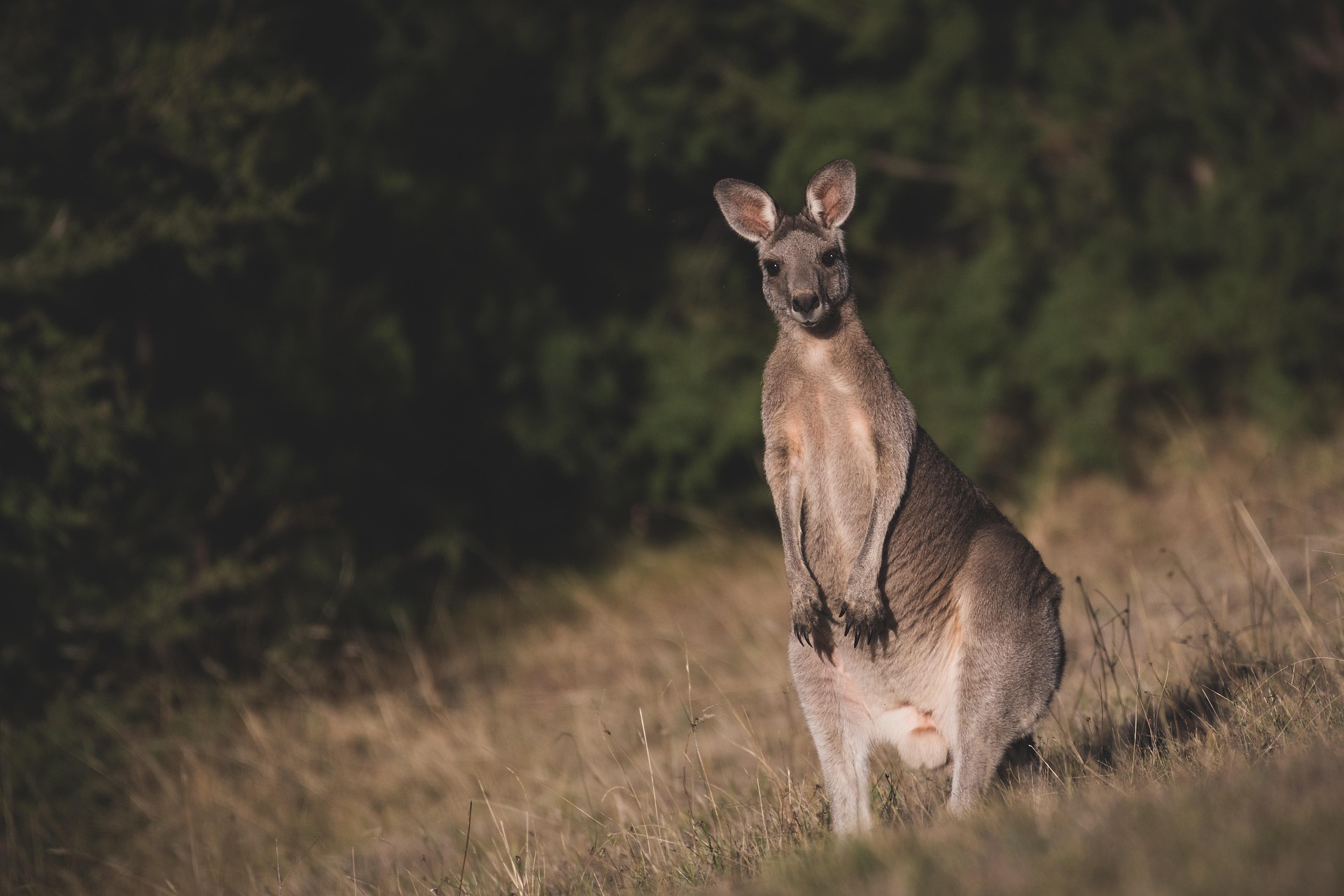
A sheep’s walking speed varies depending on its physique, breed, and the situation. While they lack the high-speed mobility of animals like kangaroos, they possess excellent endurance for walking over long periods.
Normal Walking Speed
The walking speed of typical domestic sheep is:
Approximately 3–5 km/h
This is comparable to the average human walking speed (about 4 km/h).
Typical activities:
Foraging for pasture
Moving with the flock
Heading to a watering hole
Moving across the grazing area
Slow Movement
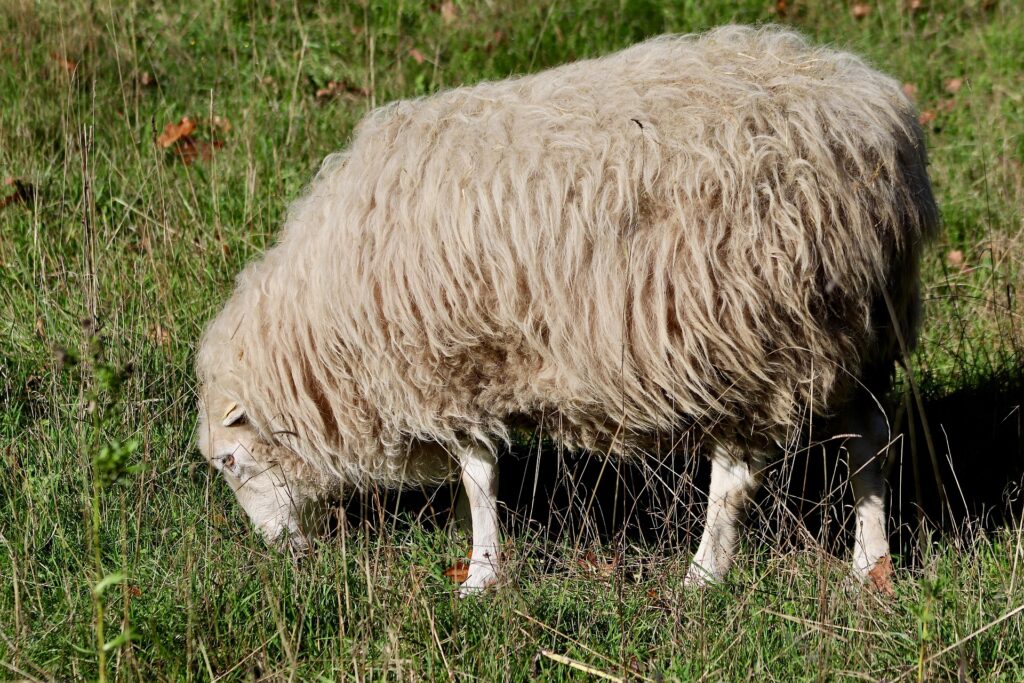
Sheep move very slowly while grazing.
Speed:
Approximately 1–3 km/h
Characteristics:
Moving forward while grazing with heads lowered
Moving in a specific direction as a flock
Remaining active for long periods while taking breaks
Sheep are better adapted to “gathering nutrients little by little over a wide area” than to “moving quickly.”
Speed When Hurrying or Fleeing
Speed increases when they sense danger or when the flock is on the move.
Typical speed:
Approximately 10–15 km/h
Over short distances,
They can reach around 20 km/h
However, they are not built for high-speed running like deer or horses.
Mobility of Wild Sheep (Mouflon)
Their ancestors, the mouflon, lived in mountainous regions.
Consequently, they have the ability to:
Climb steep slopes
Traverse rocky terrain
Walk long distances
Rather than raw speed, they excel in:
Stability on uneven terrain
Endurance
Burst-speed escape maneuvers
Which country raises the most sheep?
China is the country that raises the largest number of sheep.
However, the top-ranking countries differ slightly depending on whether you look at the “number of sheep raised” or the “production volume of wool and mutton.”
🐑 Countries with the largest sheep populations (Global)
| Rank | Country | Sheep Population (Approx.) |
|---|---|---|
| 1st | 🇨🇳 China | ~150–200 million |
| 2nd | 🇮🇳 India | ~70 million |
| 3rd | 🇦🇺 Australia | ~70 million |
| 4th | 🇳🇿 New Zealand | ~25–30 million |
| 5th | 🇹🇷 Turkey | ~40 million |
🐑 Why are sheep raised all over the world?
Sheep are excellent livestock animals.
① They can be raised on grass alone
They can eat types of grass that cattle and other animals struggle to utilize.
② They provide both food and clothing
From a single sheep, you can obtain:
Meat
Milk
Wool
Hides/Leather
③ They are resilient in arid regions
They can be raised in areas bordering deserts and in mountainous regions.
🐑 Rankings change when looking at wool production
In terms of wool production, key countries include:
🇦🇺 Australia
🇨🇳 China
🇳🇿 New Zealand
🇦🇷 Argentina
Australia, in particular, has long led the world in high-quality wool production, thanks to its Merino sheep.
Introducing other animals
コメント