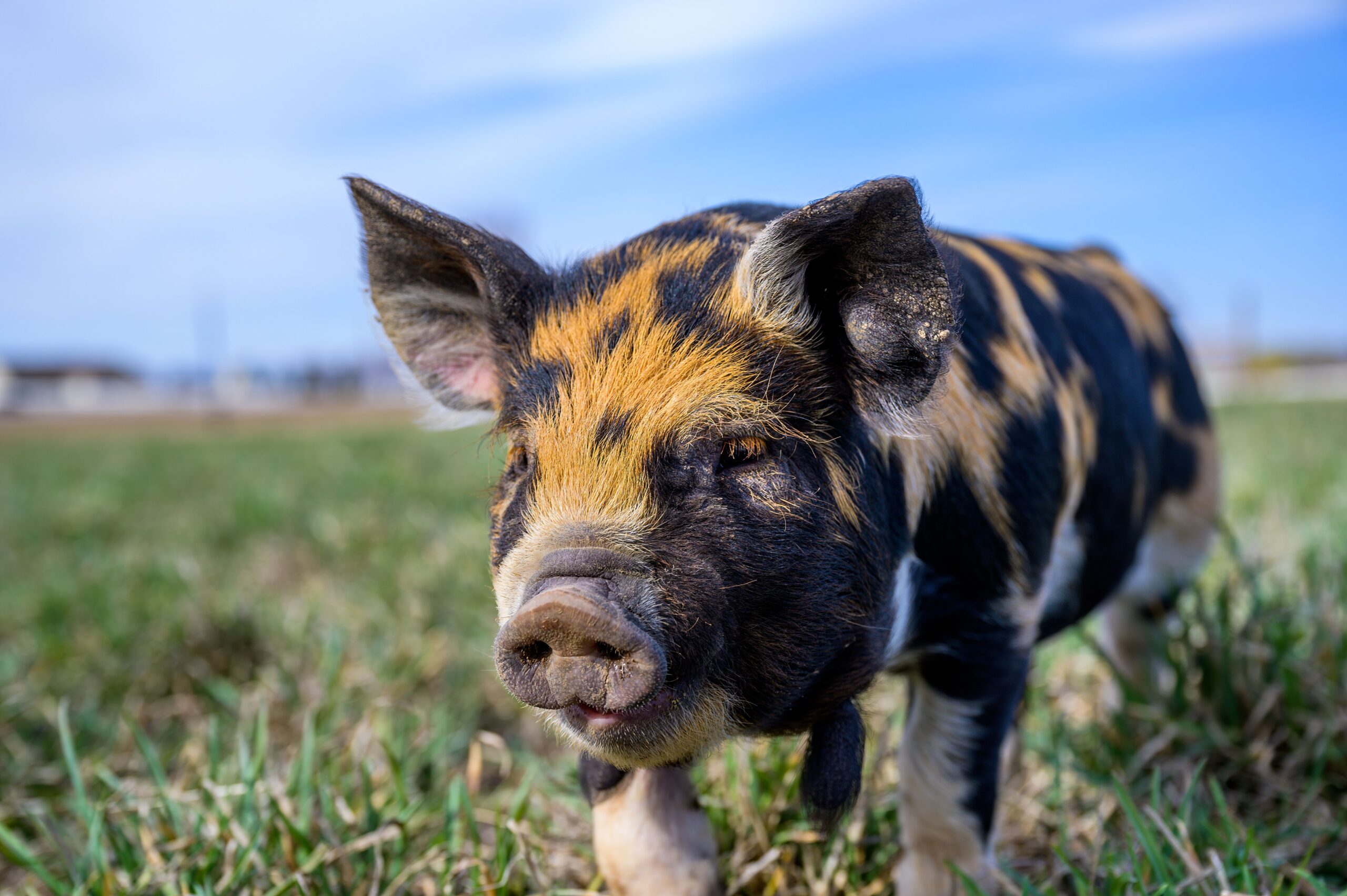
What kind of animal is a mini pig? We will explain its characteristics, ecology, and habitat. This pig is not a wild animal, but a species that has been bred for captivity. They love to dig in the soil with their noses and are very vocal, so if you are not careful when raising them, you will receive complaints if you do not choose the right place.




- What is a miniature pig? Basic status
- What are the roots and origins of mini pigs?
- Different restrictions than pure pets
- About Mini Pig Living Environment
- About the Personality of Mini Pigs
- About the Ecology of Mini Pigs
- Can they be kept as pets?
- Zoos and Facilities Keeping Mini Pigs (Japan & Worldwide)
- Introducing other animals
What is a miniature pig? Basic status
Miniature pigs are a breed of pigs that have been bred as pets or experimental animals. They are called miniature pigs or mini-pigs in English, and have been bred by humans. There are two types of pigs, miniature pigs and micro pigs, so we will explain each one. Even adults often regret not knowing about them when raising them. They are cheap, but it’s good to know about them.
Taxonomy and Origin
Kingdom: Animalia
Phylum: Chordata
Class: Mammalia
Order: Artiodactyla
Family: Suidae
Genus: Sus
Species: Domesticated wild boar (Sus scrofa domesticus)
Breed: Miniature pig (miniature breed)
Originally bred for laboratory and pet use, the miniature pig is popular in the United States and Europe.
Physical Characteristics
Body Length/Height: Adult pigs are approximately 30-70 cm (varies greatly by breed)
Weight: Average 30-80 kg (smaller breeds can weigh as little as 20-30 kg)
Body Type: Stocky body, rounded face, short legs
Coat Color: Varies by breed, including white, black, brown, and spotted
- Lifespan
Approximately 12-20 years (depending on breed and environment)
Personality/Intelligence
Intelligent and curious
Can be toilet trained and learn tricks
Sociable and friendly
Gets along well with owners and other pets
Can be timid
Wary of loud noises and sudden movements
Habits
Omnivorous: Eats vegetables, fruits, pellets, etc.
Exercise Needs: Exercise on walks and in the exercise yard is important for maintaining health
Highly social, and can become stressed if left alone
What are the roots and origins of mini pigs?
Mini pigs did not originate from a single breed; rather, they are a group of domesticated breeds created through the selective breeding and refinement of smaller pigs. The mini pigs known today—whether kept as pets or used in research—primarily stem from lineages involving small Vietnamese pigs and small pig breeds developed in the West.
The Origin: Small Vietnamese Pigs (Pot-bellied Pigs)
The most famous ancestor of the mini pig is the
Vietnamese Pot-bellied Pig.
Origins:
Northern Vietnam (Red River Delta region)
A native breed raised by farmers since ancient times
Originally used for meat production
Characteristics:
Typically black in color
Short legs
Sagging belly appearance
Smaller than standard commercial pigs even when fully grown
They earned the English name “Pot-bellied” due to their protruding, round bellies.
Refinement into “Mini Pigs” in the West
🇺🇸 Minnesota Minipig
A pig breed miniaturized for research purposes in the United States starting in the 1940s.
Objectives:
To make them easier to handle as laboratory animals
To reduce required housing space
To control growth rates
A Representative Modern Mini Pig: The Göttingen Minipig
Currently, one of the most globally renowned mini pig lineages is the
Göttingen Minipig.
Creation:
1960s
Developed at the University of Göttingen in Germany
Breeds crossed:
Lineage | Role | Traits | Vietnamese Pot-bellied | Small size & reproductive traits | Small stature, pot-belly | Minnesota Minipig | Miniaturization & temperament | Small size, manageable temperament | German Landrace | White coat & body conformation | White coat, body shape |
This combination laid the foundation for the mini pigs used today in both research and as pets.
4. History of their spread as pets
1980s
Vietnamese Pot-bellied pigs were exported to the West.
They gained popularity initially through zoo exhibits and research applications.
Demand as pets grew due to the appeal of keeping “small pigs” in the home.
They became widespread as household pets, particularly in the United States, starting in the mid-1980s.
Mini-pigs in Japan
In Japan, they became popular as:
Animals in petting zoos
Livestock on farms
Pets
However, a point to note is that despite the name “mini”:
Piglets (a few months old) → Palm-sized
Adults → Can grow to weigh between 30 kg and over 100 kg
Terms such as “micro-pig” or “teacup pig” are not official breed names but are sometimes used as marketing labels.
Evolutionary path of mini-pigs
Wild boar
↓
Domesticated pig
↓
Small native Vietnamese pig
↓
Pot-bellied pig
↓
Selective breeding in the West
↓
Göttingen minipig
↓
Mini-pigs for pets and research
In summary, the true roots of the mini-pig lie in small native Vietnamese pigs; the modern mini-pig was created by combining this lineage with scientific selective breeding in the West.
Miniature pig definition
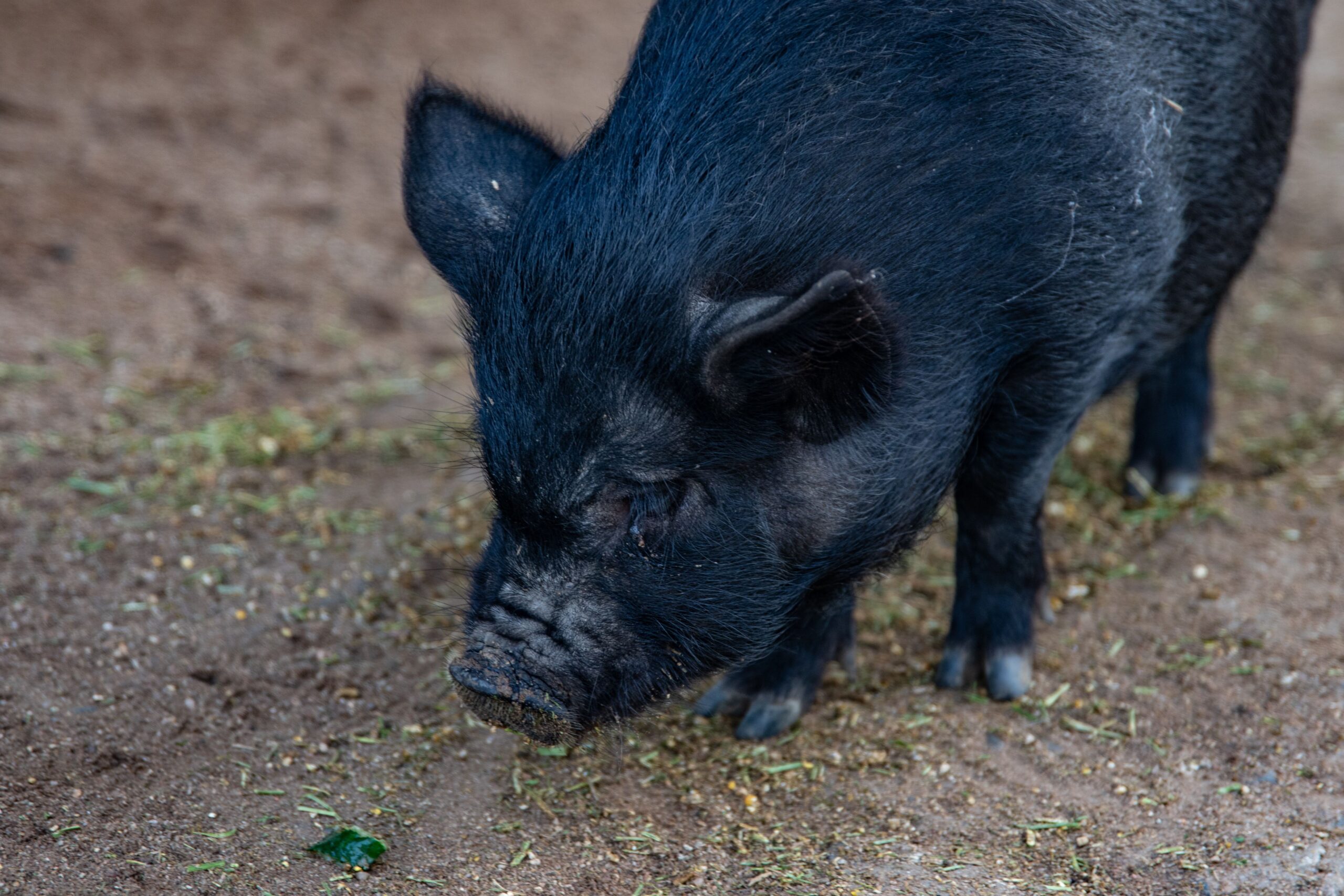
There are no regulations for miniature pigs. However, according to the American Miniature Pig Association (AMPA), a miniature pig is defined as one that is less than 20 inches (≒ 50 centimeters) tall at the front shoulder when mature. In general, miniature pigs are smaller than domestic pigs that weigh over 200 kilograms. The Gottingen and Vietnamese potbellies are famous.
Micropig definition
Micropigs are defined as pigs that are even smaller than minipigs. Micropigs often refer to pigs with a size and weight of 12 to 40 kg. Minipigs grow to 40 to 80 kg, so pigs smaller than this are defined as micropigs.
Originating from Vietnam
Most minipigs kept as pets in the United States, the United Kingdom, Germany, Japan, etc. originate from Vietnam. Micropigs also originate from Vietnam, as they were created by mating particularly small Vietnamese pot-bellied pigs.
Different restrictions than pure pets
These miniature and micro pigs are subject to laws and regulations for managing livestock. Therefore, they are subject to many restrictions due to legal regulations. Information has shown that disease prevention and movement management similar to those for farming are highly mandatory, and this is a mandatory requirement in most developed countries. Owners need to not only be smart, but also follow the rules and laws.
About Mini Pig Living Environment
Mini pigs are a domesticated breed of pig and do not live in the wild. This means that they have no concept of a “natural habitat” and primarily live in captivity. The following summarizes their habitat:
Living Environment
Home
Kept as a pet indoors
Cages and exercise space are required
Farms and breeder facilities
Kept in breeding facilities for experiments and pets
Parks and facilities
They are sometimes kept at animal care facilities and tourist ranches.
Living Space Characteristics
Temperature control is required
They are sensitive to extreme cold and heat, and an indoor temperature of 20-28°C is ideal.
Exercise space is required
Insufficient exercise through walks and play can lead to obesity and health problems.
Social life in a safe place
Interaction with other mini pigs and owners is important
Differences from Wild Pigs
Mini pigs are not feral, so they do not live in natural forests or grasslands.
Their habitat is completely dependent on artificial and controlled environments.
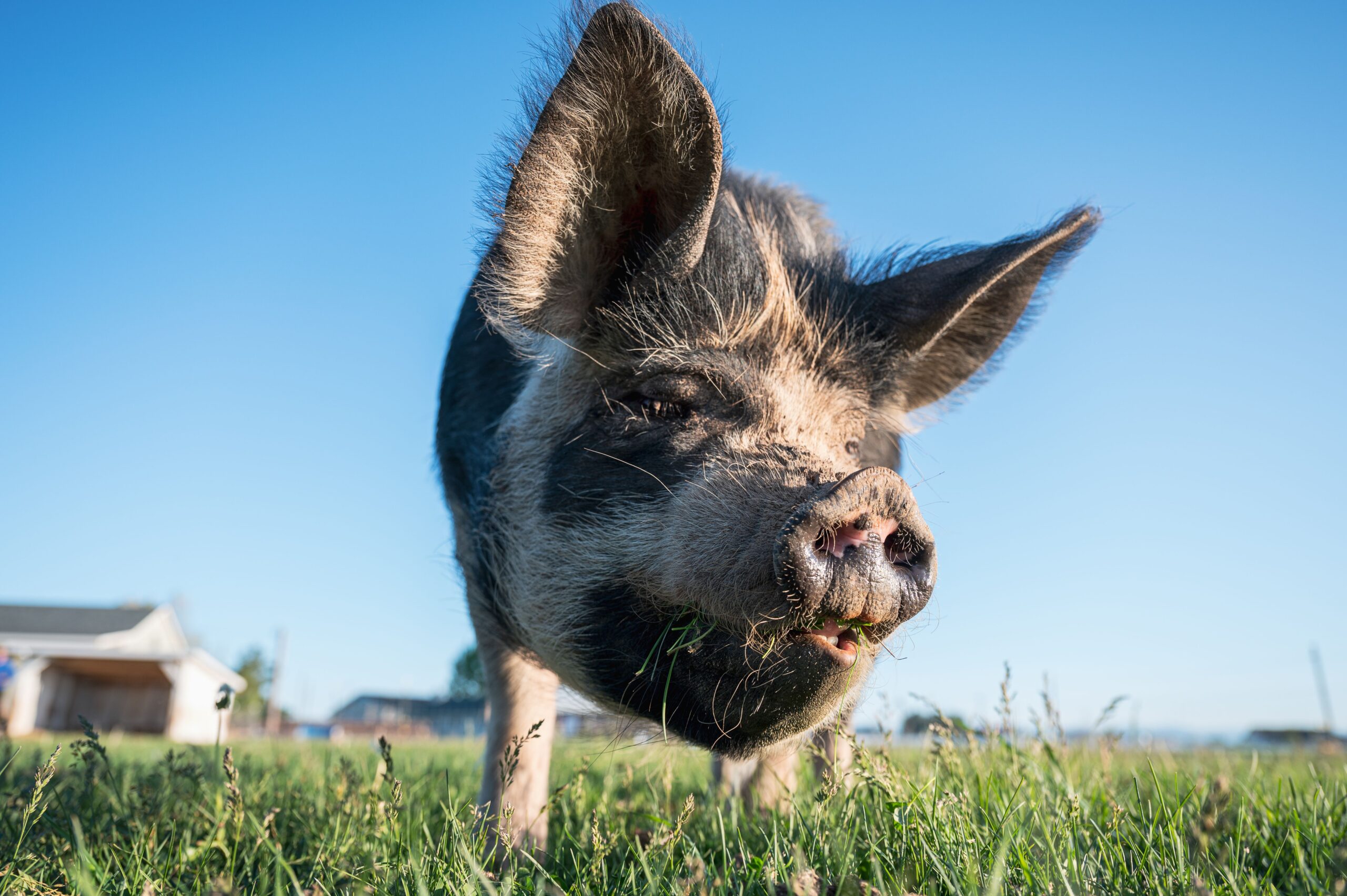
About the Personality of Mini Pigs
Mini pigs are characterized by their intelligence, sociability, playfulness, and inquisitiveness. These characteristics can be summarized as follows:
Smart and highly educated
Can be toilet trained and learn tricks
They have excellent memories and problem-solving skills, and can understand their owner’s commands
They are curious about new environments and toys
Sociable and friendly
They enjoy interacting with their owners and other animals
They primarily live in groups, so they are sensitive to loneliness
They enjoy being pampered and physical contact
Playful and curious
They chew on wood and furniture and explore using their sense of smell
They enjoy playing with toys and educational items
They learn and relieve stress through play
They can also be timid and wary
They are sensitive to loud noises and sudden movements
They may take some time to adapt
They are easily stressed by changes in their environment
About the Ecology of Mini Pigs
Mini pigs’ ecological characteristics reflect those of domesticated pigs living in captivity, rather than in the wild. These characteristics are as follows:
Living Environment
Dependent on an Artificial Environment: Lives in homes, farms, animal shelters, etc.
Temperature Control is Important: They are sensitive to cold and heat, with temperatures between 20-28°C (68-88°F) being ideal.
Exercise Required: Lack of exercise through walks and exercise areas can lead to obesity and health problems.
Socialization: Interaction with peers and owners is essential.
Diet
Omnivorous: Feeds on pellets, vegetables, fruit, and small amounts of grain.
Reflects natural pig behavior: They have a strong olfactory habit of foraging.
Voracious Appetite: Dietary management is important as they are prone to obesity.
Reproduction
Sexual Maturity: They enter estrus at approximately 6-12 months of age.
Gestation Period: Approximately 114 days (approximately 3.5 months).
Birthing: They give birth to 3-8 piglets at a time.
Raising: The mother pig provides nursing and protection. In captivity, they are cared for by caretakers.
Behavior and Sociality
Primary gregariousness: They tolerate loneliness poorly and need interaction with other animals and people even in captivity.
Playful and curious: They explore by chewing and sniffing.
Highly intelligent: They can be trained and learn tricks.
Can they be kept as pets?
Mini pigs and micro pigs can be kept as pets. Please pay attention to the following points when raising them. There are many reports and consultations about health problems if you are not careful when raising them. Be careful when feeding them. Check what they eat and the environment. Be sure to consult with your family and decide on the species you will raise. They are loud, so they may be a nuisance to your neighbors.
How to buy
Compared to other breeds, individual burmese are rarely seen for sale at general pet shops. To purchase either species, it will cost about 100,000 to 500,000 yen in Japanese yen. Compared to large dogs, there are few of them, so they seem to be a little expensive. Prices are generally on the cheaper side, so they are not difficult to find. They are highly intelligent from birth, and although they are laid-back, they are easy to raise.
If you need a cage, buy one
There are no cages specifically for pigs, so it is better to buy one for dogs and get them used to being in one. Pigs also like to dig their noses and have the habit of digging various things with their noses, so create an environment where they can “dig their noses”. They also don’t have much of a smell. They have little body hair and no sweat glands, so you don’t have to worry about animal odor.
Costs required for raising
Monthly expenses are food and toilet. Their staple food is vegetables and pellets. You will probably spend about 10,000 to 20,000 yen on pellets and toilet sheets. A hospital is not necessary, but you will need to live near a veterinarian. All hospital fees are at actual cost, so if your pig is prone to illness, there is a risk of high expenses.
You can take measures to train them
Mini pigs and micro pigs are intelligent. Therefore, we recommend raising them as young as possible. If you educate them properly, they will learn to use the toilet and learn tricks to get used to people, so they are recommended for beginners. They have a gentle personality and are very expressive, so it is fun to raise them.
How long do pigs live?
Pigs are said to have a lifespan of 10 to 15 years. However, if you do not pay attention to hygiene, they may end up being short-lived. Even though they are animals born for experiments, you should have them checked regularly. They are considered to be relatively knowledgeable and intelligent, and because they are cute, it is recommended to keep them indoors together with rabbits. They are less maintenance-intensive than medium-sized dogs or wild boars, so some people nowadays walk them on small harnesses.
Zoos and Facilities Keeping Mini Pigs (Japan & Worldwide)
Mini pigs (including pot-bellied pigs) are more commonly found in “petting farms” or “children’s zoos” than in large-scale zoological parks. Because they are small and easily become accustomed to humans, they are popular animals for feeding and walking experiences.
🇯🇵 Facilities in Japan
Nagasaki Bio Park
Keeps and exhibits mini pigs
The animal encyclopedia section introduces their characteristics and husbandry
Fed a diet of cabbage, root vegetables, and pig pellets
Features:
Exhibits designed for close interaction with animals
Easy to observe mini pig behavior
World Ranch
Offers mini pig interaction experiences
Visitors can interact with piglets at the “Boo-Boo House”
They also participate in feeding experiences and animal shows
Features:
Interaction with friendly individual pigs
A family-oriented, hands-on facility
Tokyo German Village
Keeps pigs in the children’s zoo area
Occasionally holds events where mini pigs are walked around the park
Features:
Close proximity to animals
Focuses on experiences for children
🌏 Facilities Worldwide
Overseas, they are more commonly found in the following types of facilities rather than traditional zoos:
🇺🇸 USA
Farm parks
Petting zoos
Animal rescue facilities
Mini pigs are popular pets and are often kept at rescue centers and educational facilities.
🇬🇧 UK
Farm parks
Children’s animal facilities
There is a strong culture of interacting with farm animals in the UK, and mini pigs are frequently included in such exhibits.
🇩🇪 Germany and other parts of Europe
Livestock exhibit areas within zoos
Petting zoos
They are sometimes featured in exhibits that teach the history of livestock and agricultural culture.
Introducing other animals
コメント