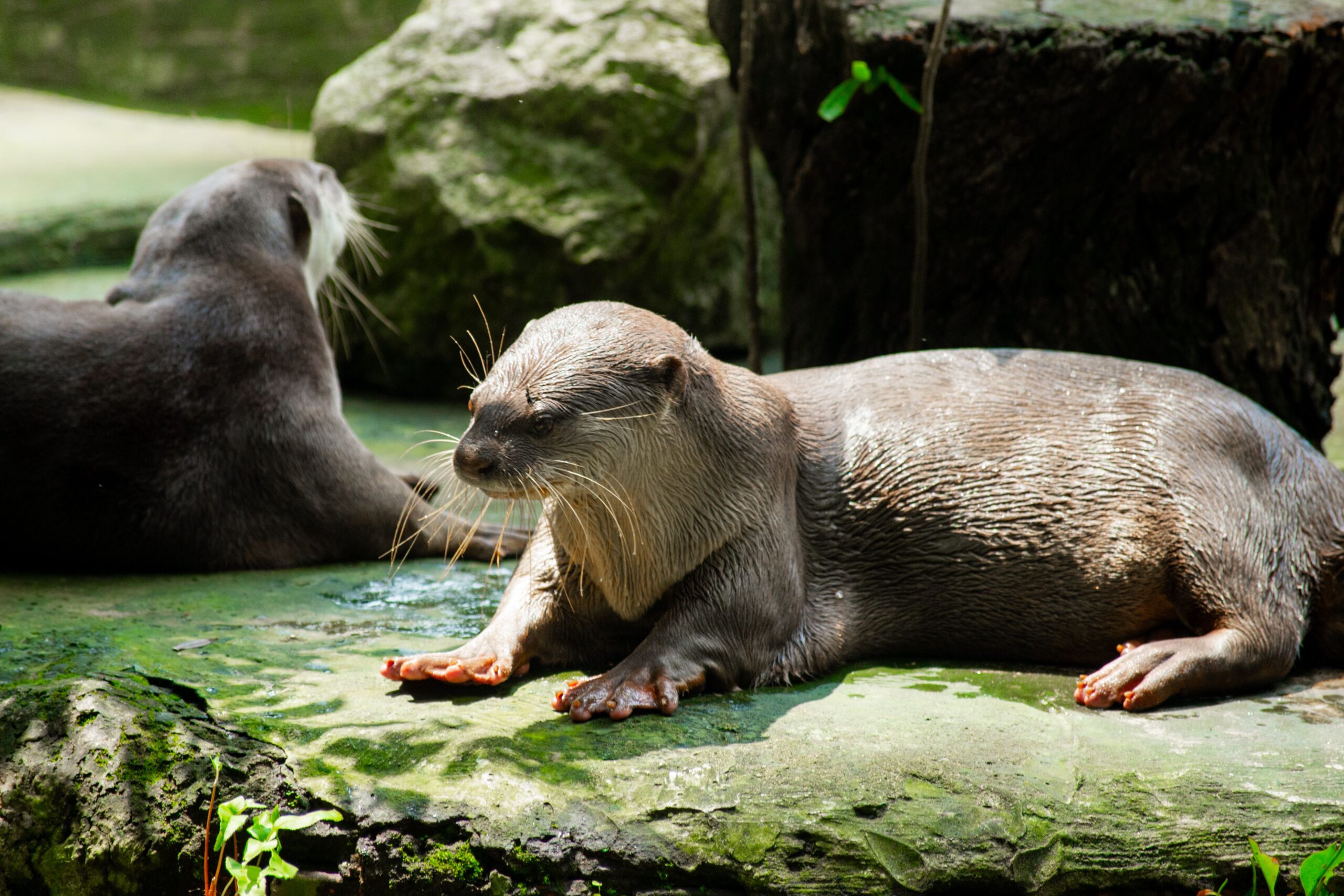
Can you keep the small-clawed otter you see at the zoo as a pet? We will introduce and explain its characteristics, ecology, and habitat. It is the smallest type of otter, and lives in small rivers in Southeast Asia, and many households keep it as a pet, but it is actually designated as an endangered species.




- What is a small-clawed otter? About basic status
- What are the roots and origins of the Asian small-clawed otter?
- About habitat
- feature is? What kind of creature is it?
- What is your personality like?
- What is the ecology like?
- Diving Capabilities of the Asian Small-Clawed Otter
- Vocalizations
- Seasonal Activities
- Walking Speed
- About Asian Small-Clawed Otter Baby Animals
- Is the small-clawed otter an endangered species?
- Can you keep a small-clawed otter as a pet?
- Facilities Housing the Species (Japan & Worldwide)
- Introducing other animals
What is a small-clawed otter? About basic status
Asian small-clawed otters are mammals belonging to the Mammalia, Mustelidae, and Aonyx genus. Their scientific name is Aonyx cinerea. They are 41-64cm long, 25-35cm long, 20cm tall, and weigh 2.7-5.4kg. The information is listed below. We recommend that you take your family to see this species.
| Japanese(和名) | コツメカワウソ |
| English(英名) | Asian short-clawed otter Asian small-clawed otter Oriental short-clawed otter Oriental small-clawed otter Small-clawed otter |
| scientific name(学名) | Aonyx cinerea |
| classification(分類) | Mammalia、 Carnivora、Mustelidae、Aonyx 哺乳綱、食肉目、イタチ科、ツメナシカワウソ属 |
| IUCN Status(保全状況) | VULNERABLE |
| Length(体長) | 41 – 64cm |
| Weight(体重) | 2.7 – 5.4kg |
What are the roots and origins of the Asian small-clawed otter?
Tracing the roots of the Asian small-clawed otter (scientific name: Aonyx cinereus) leads back to ancestors in the Mustelidae (weasel) family that emerged tens of millions of years ago. Modern Asian small-clawed otters are a type of small otter that evolved primarily in Southeast Asia.
Ancestors: Members of the Weasel Family
Although the name includes “otter,” taxonomically, they belong to the following lineage:
Order Carnivora
↓
Family Mustelidae (weasels, martens, badgers, etc.)
↓
Subfamily Lutrinae (otters)
↓
Asian small-clawed otter
In other words, they share a common ancestor with modern weasels, martens, and badgers.
Why Otters Moved into Aquatic Environments
During the course of evolution, some ancestral mustelids adapted to environments near the water.
As a result, they acquired traits such as:
A slender body suited for swimming
Dense, water-repellent fur
A strong tail (for steering and propulsion)
The ability to catch prey underwater
…and thus became the group known as “otters.”
Region of Origin
The Asian small-clawed otter is native to wetland and river regions across Southeast and South Asia, including:
Thailand
Malaysia
Indonesia
Vietnam
Northeastern India
Southern China
True to their name, their defining feature is their “small claws.”
Because their claws are shorter than those of other otters and they can use their fingertips with great dexterity,
crabs
shrimp
shellfish
small fish
…they forage for and eat these foods using their hands.
Why Did Their “Hands” Develop This Way?
The Asian small-clawed otter’s most notable characteristic is its manual dexterity—among the highest in the otter world.
The reason lies in the environment where they evolved. In the shallow waters of Southeast Asia,
it was necessary to
search for crustaceans in the mud,
extract prey from crevices in the rocks,
and crack open shellfish.
As a result,
it underwent a unique evolution
combining “swimming ability” with “dexterous finger manipulation.”
About classification
This is the only species of small-clawed otter, and it constitutes the genus Otter. The following subspecies classification and distribution of the small-clawed otter have been confirmed. They are distributed in India, Malaysia, Myanmar, Vietnam, and Thailand, respectively.
- Aonyx cinerea cinerea
- Aonyx cinerea concolor
- Aonyx cinerea nirnai
classification class
- 界(Kingdom):動物界(Animalia)
- 門(Phylum):脊索動物門(Chordata)
- 綱(Class):哺乳綱(Mammalia)
- 目(Order):食肉目(Carnivora)
- 科(Family):イタチ科(Mustelidae)
- 属(Genus):Aonyx
- 種(Species):Aonyx cinereus(コツメカワウソ / Small-clawed Otter)
About habitat
The small-clawed otter is widely distributed throughout Southeast Asia.
1. Geographic Distribution
Region: Mainly found in Southeast Asia
South Asia: Eastern India, Sri Lanka, Bangladesh
Southeast Asia: Thailand, Cambodia, Laos, Malaysia, Indonesia (Sumatra, Java, Borneo), Philippines
Distribution Characteristics: Often limited to coastal areas and freshwater areas
2. Habitat
Freshwater rivers, lakes, and wetlands
Areas with calm currents and abundant fish and crustaceans
Mangrove forests and estuaries
Also adapted to brackish waters with low salinity
Areas with abundant aquatic vegetation
Prefers areas with burrows and hiding places
3. Habitat
Highly aquatic: Preying (fish, crabs, shrimp), resting, and movement are centered around water
Bore/Nest Use: Builds burrows in riverbanks and mangrove roots
Public Life: Family units hunt and rest near water
4. Ecological Characteristics
Sensitive to human activity
Sensitive to river development, reclamation, fishing, and deforestation
Although its distribution is wide, destruction of aquatic environments leads to localized declines
feature is? What kind of creature is it?
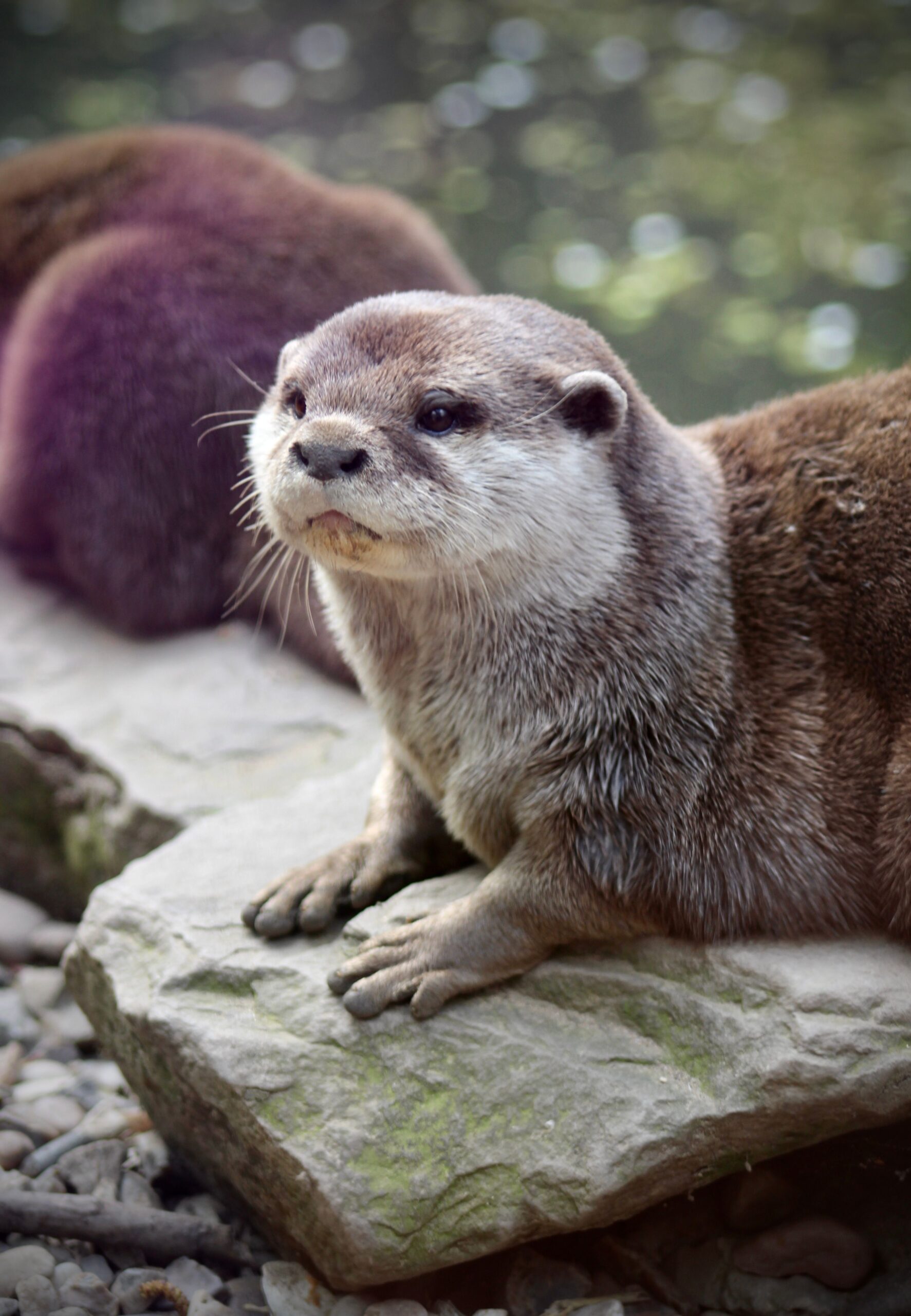
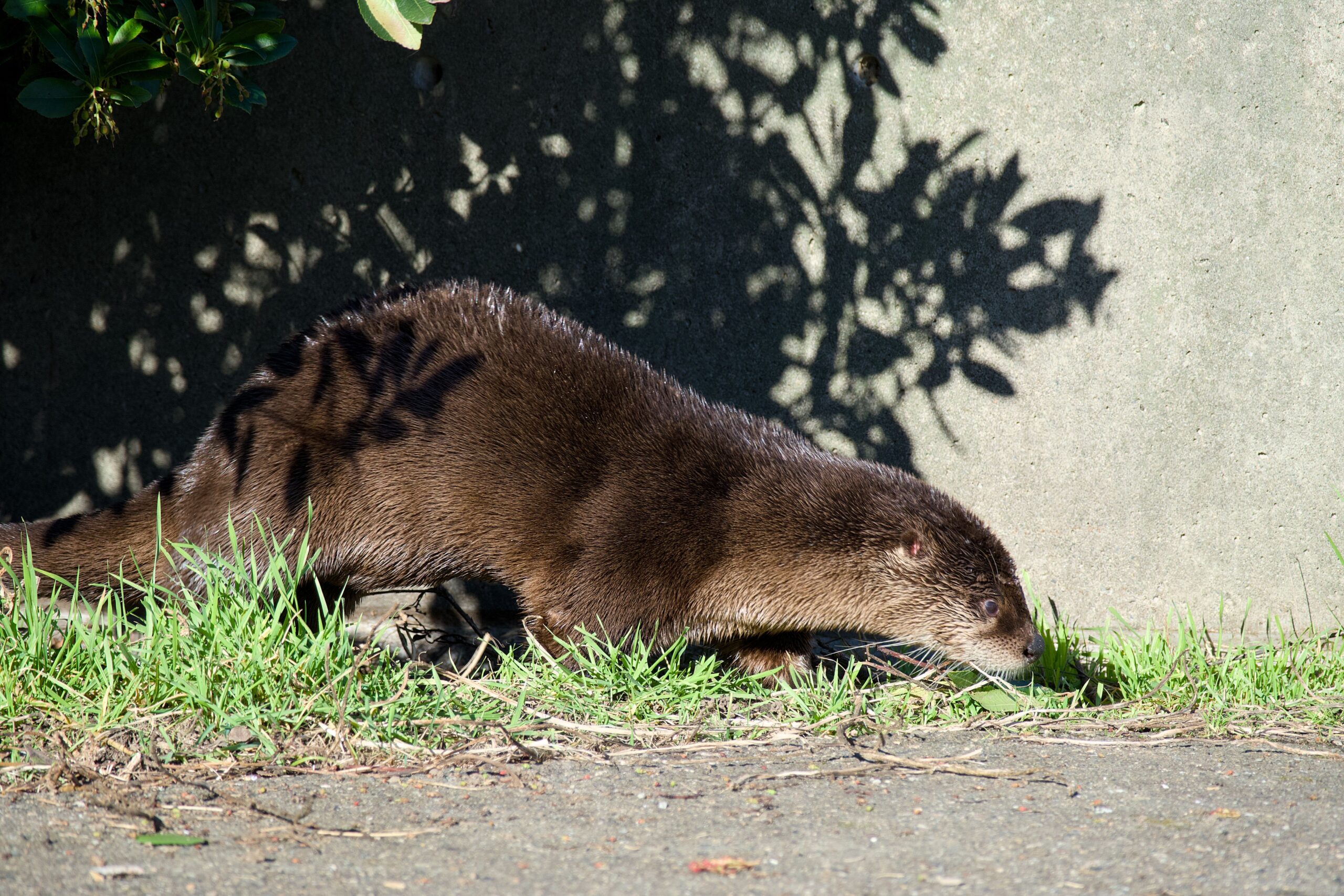
Asian small-clawed otters live in rivers, swamps, coasts, mangrove forests, rice fields, etc. They got their name from their small claws. They are diurnal but sometimes active at night. Their backs are gray-brown or light blackish brown, and their throats and noses are white or gray-white. Their feet are narrow, and their sea otter-like webbed feet reach all the way to the last joint of their toes. Otters are very active, so keeping them as pets can tire them out. They can swim using their small webbed feet, and can eat crabs, frogs, and schools of fish while swimming.
1. Physical Characteristics
Body Size: The smallest of the otters
Body Length: Approximately 70-100 cm (including tail)
Weight: Approximately 4-5 kg
Body Type: Slender, flexible body, round head, small ears
Limbs: Small, dexterous claws, easy to handle prey
Fur Color: Dark brown to grayish-brown on the back, light colored on the underside
Tail: Thick and short, used for propulsion when swimming
2. Behavioral and Personality Characteristics
Highly Social
Live in family groups
Playful and cooperative hunting
Playful
Often play in the water, highly intelligent
Highly alert
Sensitive to humans and predators, quickly retreating into the water
3. Ecology and Lifestyle
Perfectly adapted to aquatic life
Forages in rivers, lakes, wetlands, and mangrove forests
Diet: Omnivorous
Food is primarily aquatic organisms such as fish, crabs, shrimp, and shellfish
May also prey on small terrestrial organisms
Excellent swimmers and dives
Dives last approximately 1-2 minutes
Mainly diurnal
Forages and swims from morning to evening
4. Summary of Characteristics
Small, aquatic mammals with dexterous limbs
Highly social, living, hunting, and playing in groups
Playful, intelligent, and apparently charming toward humans
Excellent foraging, diving, and swimming underwater
What is your personality like?
Small-clawed otters love to play. Since they require a lot of exercise, it is necessary to give them toys to keep them from getting bored. This animal is suitable for people who want to actively engage in physical contact with their pets, and they also have a very loud sound.
1. Sociality
Pack-living habits
Hunting and resting cooperatively in family units (usually 3-12 individuals)
Playful and communicative with other members
Highly cooperative
Work together to capture prey and maintain burrows
2. Playful and curious
Often play in the water
Diving, swimming, and even playing with objects in their mouths
Highly intelligent and able to learn
Learn how to catch food and use tools by observing and imitating others
3. Cautiousness and timidity
Highly cautious
Sensitive to the approach of humans and predators, they quickly retreat into the water
Cautious side
Cautious about new environments and sounds
Cautious around new animals and humans
What is the ecology like?
Asian small-clawed otters are creatures that live in the sea and other waters, feeding on amphibians, crustaceans, shellfish, insects, fish, and reptiles. They are adept at hunting in cooperation with their peers. They are viviparous, with estrus intervals of 24-30 days. They can breed all year round, and can give birth to 1-6 pups at a time. After raising their young, they reach sexual maturity in about 2 years, and can live for 15 years in captivity.
1. Habitat
Mainly lives in freshwater
Rivers, lakes, wetlands, mangrove forests, etc.
Highly dependent on water
Foraging, migration, resting, and nesting all occur near water.
Burrows
Dig burrows in riverbanks or at the base of mangrove trees.
Used by family units.
2. Behavior
Diurnal
Forage, swim, and build burrows from morning to evening.
Social
Live in family groups.
Cooperatively capture prey and communicate through play.
3. Diet/Foraging
Omnivorous, leaning toward carnivorous.
Fish, crabs, shrimp, shellfish, small amphibians, and insects.
Foraging Methods
Uses dexterous hands to retrieve crustaceans and shellfish.
Dives underwater or in shallow waters to feed.
Specialized for foraging in wet environments.
4. Reproduction and Rearing
Reproduction: As mammals, they are viviparous, not ovoviviparous.
Gestation: Approximately 60-64 days
Birth: Usually 2-3 young
Rearing
Parents cooperate to nurse and feed their young
They raise them safely in dens and become independent within a few months.
Are there any natural enemies?
The natural enemies of small-clawed otters are carnivores that live near water, such as crocodiles.
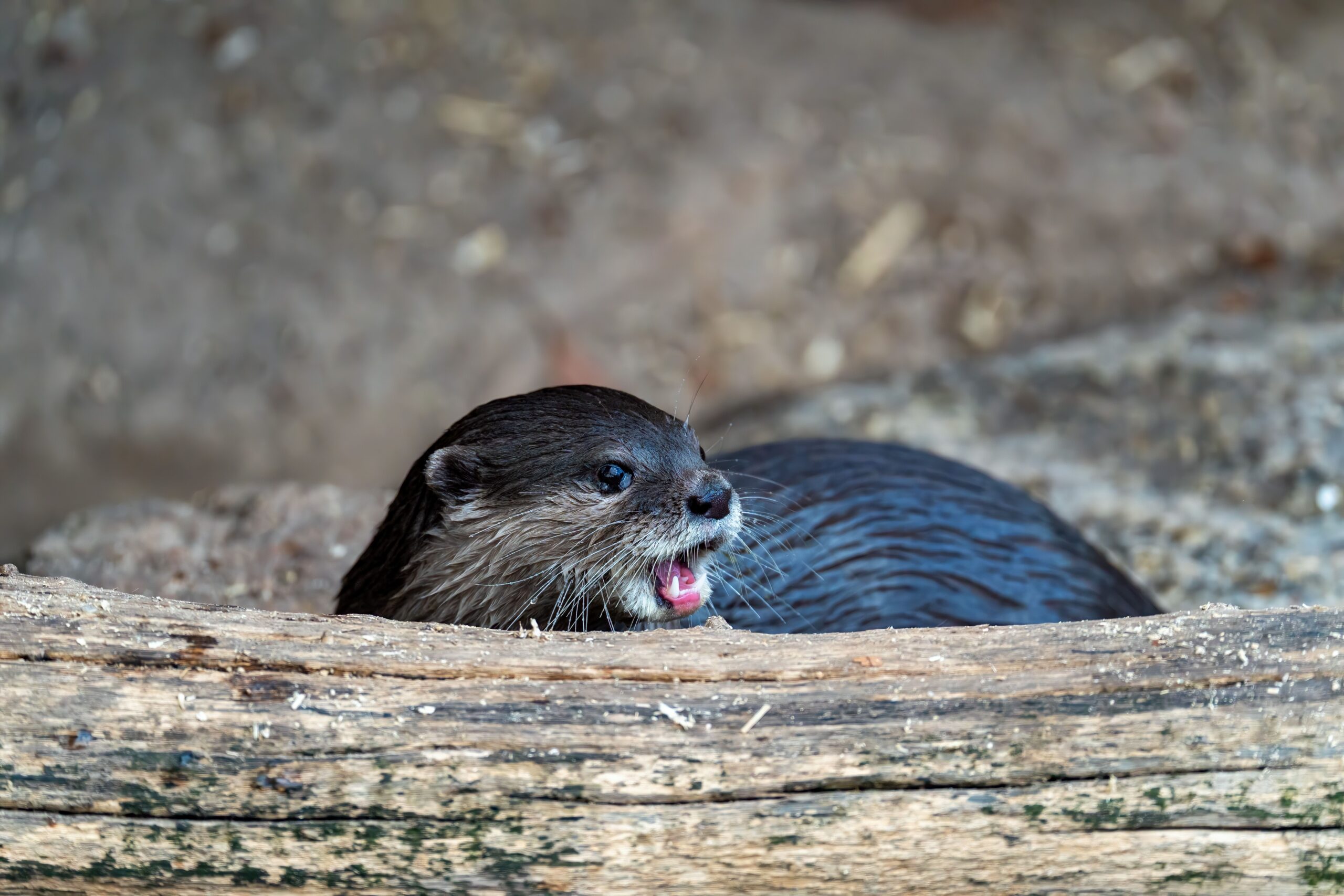
Diving Capabilities of the Asian Small-Clawed Otter
The Asian small-clawed otter possesses diving capabilities that far exceed what one might imagine given its small size. Having evolved for an aquatic lifestyle, it is a highly skilled diver and an expert hunter in shallow waters.
Diving Duration
Asian small-clawed otters typically dive for:
About 30 seconds to 1 minute
They may dive for longer than a minute depending on the situation
However, they are not the type of animal that stays submerged for extended periods, unlike dolphins or seals.
This is because their hunting grounds—such as
rivers
wetlands
mangroves
shallow waterways
—are environments that do not require deep-water or long-duration dives.
Physiological Adaptations for Diving
● Closing the nose and ears
Upon entering the water, they:
close their nostrils
close their ear canals
to prevent water from entering.
● Dense fur
Their fur is extremely fine and densely packed.
Characteristics:
Tens of thousands of fine hairs per square centimeter
Retains a layer of air
Prevents heat loss
This allows them to remain active even in cold water.
● Underwater vision
While underwater, they use:
transparent eyelids (nictitating membranes)
excellent eyesight
to locate their prey.
Hunting Underwater
Their hunting style is highly distinctive.
Underwater, they primarily search for:
crabs
shrimp
shellfish
small fish
They are particularly adept at:
“hunting by touch” (using their hands)
They insert their forepaws into riverbeds with currents or into the mud, employing a method of:
“detecting prey via touch → capturing it”
This ability is more highly developed in them than in other, larger otter species.
Swimming Characteristics
Asian small-clawed otters swim using their:
long tails
flexible bodies
webbed feet
Their movement style involves:
undulating the body like a snake
adjusting direction with the tail
propelling themselves with their hind legs Its compact size, in particular, allows it to change direction quickly, even between rocks or in areas with dense vegetation.
Vocalizations
Contrary to their cute appearance, Asian small-clawed otters have a wide variety of vocalizations and possess strong communication skills with their companions.
“Kyu-kyu” or “Pii-pii” sounds (Contact calls)
These are the most well-known vocalizations.
Uses:
Calling out to companions
Confirming the presence of family members (e.g., parent-offspring contact)
Expressing anxiety or loneliness
Young otters, in particular, make high-pitched calls when searching for their mothers.
“Kuk-kuk” or “Kururu” sounds (Conversing with companions)
Asian small-clawed otters live in groups and frequently use these types of short sounds.
Meanings:
“I’m here”
“I found food”
“Let’s go together”
These sounds are used to keep track of each other’s locations.
“Shaa” or “Gya” sounds (Alert/Threat)
These sounds are made when the otter senses danger or gets into a conflict.
They serve as a warning to others, signaling:
“Stay away”
“I’m going to attack”
“Kik-kik” or “Pip-pip” sounds (Excitement/Play)
These are often heard during play or when food is discovered.
Asian small-clawed otters are playful animals;
they frequently vocalize while:
chasing each other
playing in the water
roughhousing
Seasonal Activities
Since Asian small-clawed otters (Aonyx cinereus) inhabit warm regions like Southeast Asia, they do not undergo hibernation or massive migrations associated with the distinct four seasons found in places like Japan. However, their activity patterns do shift based on factors such as the rainy and dry seasons, water temperature, food availability, and breeding periods.
Spring (Onset of the rainy season; peak breeding activity)
Activities
Increased foraging in rivers and wetlands
More time spent moving as a family unit
Rearing of young may be observed
Behavioral Characteristics
From spring through the rainy season, water levels rise, leading to an abundance of prey such as crabs, fish, and shrimp.
Asian small-clawed otters intensify foraging behaviors, such as:
Diving underwater
Probing the riverbed with their forepaws
Searching under mud and stones
Summer (High-temperature period; increased aquatic activity)
Activities
Active during mornings and evenings
Resting by the water or in the shade during the day
Increased bathing and play
In hot regions, they engage in more water-based activities—such as entering the river, swimming, and playing underwater—to regulate their body temperature.
Water is a crucial part of their environment, as they are not efficient at lowering their body temperature through sweating.
Autumn (Foraging and family activity)
Activities
Extended feeding times
Little to no behavior aimed at “fattening up” for winter
Strong family bonds
As they inhabit tropical to subtropical zones where hibernation does not occur, they do not drastically alter their behavior simply because it is autumn.
However, in regions entering the dry season, their home range may shift due to:
Dropping water levels
Changes in the distribution of fish and crustaceans
Winter (Dry season; changes in activity timing)
Activities
Activity may increase during the day
More time spent resting on land in regions where water temperatures drop
May move between different foraging grounds
As Asian small-clawed otters are not adapted to cold climates, they exhibit the following characteristics:
No hibernation
No long-distance migration
No significant change to a “winter coat”
Walking Speed
Asian small-clawed otters are not particularly fast movers on land. They are adapted more for agility in the water and manual dexterity than for running speed.
Asian Small-Clawed Otter Walking Speed (Approximate)
Normal walking: Approx. 1–3 km/h
When in a hurry: Approx. 5–7 km/h
Short-distance running/fleeing: Can reach around 10 km/h
*Note: There is little precise data on their speed in the wild, and it varies depending on the environment and the individual.
Characteristics of Their Land Movement
Asian small-clawed otters move somewhat differently from typical quadrupedal animals.
Characteristics:
Keeping the body low to the ground
Balancing by moving the tail from side to side
Using the forepaws with great dexterity
Moving quickly with short, rapid steps
While they may appear to be waddling, their bodies are actually very flexible, allowing them to change direction extremely quickly.
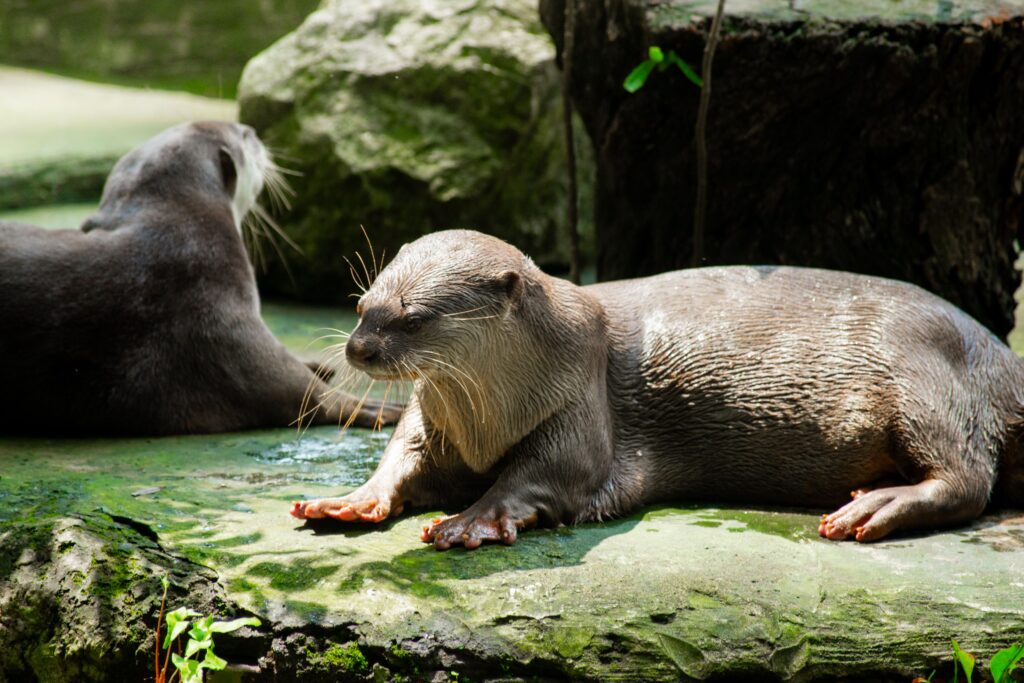
About Asian Small-Clawed Otter Baby Animals
This article summarizes the developmental stages, behavioral, and lifestyle characteristics of Asian Small-Clawed Otter (Aonyx cinereus) baby animals.
1. Birth and Early Characteristics
Litter Size: Usually 2-3 (Rarely 1-5)
Weight and Length: Approximately 120-200 g at birth, approximately 20 cm in length
Coat Color: Light gray-brown on the back, whitish underside; adult dark colors and fur are not yet present
Senses: Eyes are open and ears function, but behavior is dependent on the parents
2. Growth and Development
Early Life: Cuddled and breastfed by parents in the burrow
Nursing Period: Approximately 2-3 months
Weaning: Begins learning to eat fish and crustaceans with parents at 2-3 months
Motor Skills: Begins swimming and diving practice within the burrow at around 1 month of age
Social Learning: Learns hunting and communication through playful interactions with siblings and parents
3. Behavior/Personality
Playful and active
Playing in burrows and shallow waters improves their physical abilities and hunting skills
Highly dependent on their parents
Returns to parents when threatened
Learns cooperation
Learns group life and cooperative behavior with siblings
Is the small-clawed otter an endangered species?
Unfortunately, Asian small-clawed otters are designated as an endangered species (red list). Furthermore, international trade is severely restricted by the Convention on International Trade in Endangered Species of Wild Fauna and Flora (CITES). It is said that the wild population of Asian small-clawed otters has declined by about 30% in the past 30 years. Today, they are often reported in the news, and are exhibited at events at aquariums and other places along with Canadian river otters and giant otters. They are a protected animal.
Pests destroying rice fields
As you can see by actually touching the small-clawed otter, it moves very well. That’s why I love pranks so much. They are sometimes considered pests and are often exterminated by farmers. Habitat destruction due to agricultural land development and deforestation is progressing, and the population is decreasing.
hunting for fur, etc.
They are overhunted for their fur. Additionally, small-clawed otters are in high demand as pets, and are overhunted for this reason as well. The reality is that poaching and smuggling are rampant.
Can you keep a small-clawed otter as a pet?
It is a pet that is extremely difficult to care for. This is because it is designated as an endangered species, and international trade is strictly restricted by the Washington Convention.
What is the average cost of otters?
The average cost of otters is said to be over 1 million yen per animal when converted to Japanese yen. Consider adopting individuals already in the country or those born from such pairs from zoos or aquariums.
Things needed for breeding
What you need for breeding is a room for the otter, a toilet, toys, and food. We recommend a dog or cat cage for the toilet. Small-clawed otters love to play, so toys are a must. The main food should be cat food, and fish and crustaceans should be given as side foods. It would also be nice to have a pool.
Getting used to skinship
Small-clawed otters have friendly personalities and love physical contact with their owners. They may bite their owners, but be careful not to pull your fingers back as this can cause injury. It has extremely well-developed jaw muscles and is said to have the strength of a large dog. Most of the time it will be a sweet bite, but please be careful.
Be careful of illness
Otters are at risk of parasites, loss of appetite, and diarrhea. In particular, there are cases where the seafood that is fed as food contains parasites. You will need to take measures such as freezing them instead of giving them in the purchased state.
Facilities Housing the Species (Japan & Worldwide)
The Asian small-clawed otter (Aonyx cinereus) is kept in many zoos and aquariums across Japan and the rest of the world. Due to their small size, highly social nature, and successful breeding records, they are among the otter species most commonly seen in such facilities.
🇯🇵 Major Facilities in Japan
Hokkaido
Sapporo City Maruyama Zoo
Otaru Aquarium
Sunpiazza Aquarium
Tohoku
Akita City Omoriyama Zoo
Sendai Umino-Mori Aquarium
Kanto (Region with a high concentration of facilities)
Ueno Zoological Gardens
Tama Zoological Park
Sunshine Aquarium
Shinagawa Aquarium
Yokohama Hakkeijima Sea Paradise
Enoshima Aquarium
Chiba Zoological Park
Ichikawa City Zoo and Botanical Garden
Chubu & Kinki
Notable facilities:
Ise Sea Paradise
Toba Aquarium
Nasu Animal Kingdom
*Note: As the animals housed may be relocated, bred, or moved to different exhibits, it is recommended to check official information before visiting.
🌎 Major Facilities Worldwide
🇺🇸 USA
Smithsonian’s National Zoo
Houses Asian small-clawed otters
Conducts conservation education and breeding programs
Others
San Diego Zoo
Woodland Park Zoo
Virginia Zoo
Internationally, they are known as the “Asian small-clawed otter.”
🇸🇬 Singapore
River Wonders
As a species native to Southeast Asia, they are displayed in environments that closely resemble their natural habitat.
🇦🇺 Australia
Melbourne Zoo
Perth Zoo
Introducing other animals

コメント